Cambridge MA Gunite Pool Specialists
Gunite Pool Opening Service Cambridge MA
When it comes to gunite pool opening service in Cambridge MA, experience with concrete pools is everything. At Luxury Pools By MF, we provide expert gunite pool opening service designed specifically for the demands of concrete inground pools — protecting your plaster finish, your equipment, and your investment. We also provide professional pool closing service in Cambridge MA and complete gunite pool winterization to protect your pool through New England winters.
The team has helped many Cambridge homeowners, business owners, builders, property managers, and other individuals in the Greater Boston, MA area. After some research, we’re confident you’ll find us to be the right Gunite Pool Specialists to handle your outdoor project.
Luxury Pools By MF, a top-rated gunite pool builder specializes in:
-
-
- Custom Gunite Pool Design
- Custom Landscape Design
- Gunite Pool Installation
- Gunite Pool Renovation
- Pool Openings and Closings
- 3D Design Renderings
- Custom Spas
- Outdoor Kitchen / BBQ Installation
- Water Feature Design
- Unique Fire Pits
- Sunken Living Rooms
- Pool Houses and Outdoor Structures
- Amongst many other high-end services
-
Why It Matters
The Right Team Makes All the Difference When You Search for Pool Opening Service Near Me
Every spring, Cambridge MA gunite pool owners face the same question: who should I call for pool opening service near me? And every fall: who can I trust to close my gunite pool correctly before winter? The answer matters far more than most homeowners realize. A gunite pool represents a six-figure investment — and the way it is opened and closed each season directly impacts the lifespan of your plaster finish, the reliability of your equipment, and the quality of your water for the entire swim season.
At Luxury Pools By MF, our pool opening and closing service is built around a single principle: gunite pools deserve gunite specialists. We do not service vinyl liner pools. We do not service fiberglass pools. Every protocol, every chemical procedure, and every inspection checklist we use is calibrated specifically for concrete pool construction.
If you own a gunite inground pool in Cambridge MA, the sections below will tell you exactly what problems we solve, what you gain when you work with us, and why the difference between a generalist and a specialist could mean thousands of dollars in preventable repairs.
Pain Points for Gunite Pool Owners in Cambridge MA
These are the problems we hear from MA homeowners season after season — all of them preventable with the right service provider.
- ✗Green, cloudy water every spring — last year’s closing was not done properly and algae took over under the cover all winter
- ✗Cracked fittings and broken plumbing at opening — result of an incomplete winterization blowout that left water in the lines to freeze
- ✗Etched or permanently stained plaster finish — caused by improper water chemistry at closing, expensive and entirely avoidable
- ✗Can’t get a timely appointment — booked weeks out, you lose valuable weeks of your Cambridge MA swim season
- ✗Different technicians every visit — no continuity, no knowledge of your pool’s specific configuration from year to year
- ✗Generic protocols not designed for gunite — companies treating your concrete pool the same as a vinyl liner
- ✗Surprise repair bills at opening — damage a proper closing would have prevented entirely
- ✗No inspection or communication — service completed without flagging issues before they become major problems
Benefits of Our Gunite Pool Opening Service Cambridge MA
What you get every season when you work with a gunite pool specialist who builds and services concrete pools exclusively.
- ✓Crystal-clear water from day one — precise chemical balancing means you’re swimming sooner, spending less on chemicals
- ✓Plaster and finish protection — chemistry protocols calibrated for gunite finishes, preserving the life of your surface by years
- ✓Full equipment inspection included — thorough check of pump, filter, heater, shell, and plumbing before swim season
- ✓Zero winter damage at opening — when your pool is closed correctly, spring openings are clean and repair-free
- ✓Consistent team, every season — same technicians open and close your pool with complete knowledge of its history
- ✓Complete winterization peace of mind — every line blown out, every piece of equipment protected before we leave
- ✓Builder-level expertise on every visit — technicians who understand gunite construction from the steel framework up
- ✓Long-term investment protection — proper seasonal care extends the life of your finish, equipment, and shell by years
Talk to an Expert
We understand that sometimes you just want to talk before scheduling a consultation. Our team will gladly answer any of your questions or help you with any of your concerns.
Call Mike or Kristine today!
(508) 504-7665
Our Services
Complete Gunite Pool Opening & Closing Service for Cambridge MA Homeowners
Every service we provide is designed exclusively for gunite and concrete inground pools. No vinyl. No fiberglass. Just the expertise your pool deserves.
Spring Service — April through June
Inground Pool Opening Service for Gunite & Concrete Pools
Our inground pool opening service is a precision process built specifically for gunite and concrete pools. Every step protects your plaster finish, verifies your equipment, and delivers swim-ready water — so you lose zero days of your Cambridge MA swim season.
- ✓Winter cover removal & storage — carefully removed, cleaned, folded, and stored to extend its lifespan
- ✓Equipment reinstallation — pump, filter, and heater reconnected, primed, and tested before we leave
- ✓Ladders, rails & accessories — all hardware reinstalled, torqued, and verified safe
- ✓Full vacuuming & brushing — shell, walls, steps, and floor cleaned of all off-season debris
- ✓Chemical start-up & balancing — full water test with pH, alkalinity, calcium hardness, and sanitizer corrected
- ✓Gunite shell & equipment inspection — detailed assessment of plaster, coping, fittings, plumbing, and equipment
Fall Service — September through October
Inground Pool Closing & Gunite Pool Closing Service
Our gunite pool closing service eliminates every risk that Cambridge MA winters pose to your concrete pool. A single incomplete closing can result in thousands of dollars in spring damage. Our protocol leaves nothing to chance.
- ✓Hardware removal — ladders, rails, and accessories removed, dried, and stored safely
- ✓Complete plumbing blowout — every return, skimmer, and drain line cleared of all standing water
- ✓Equipment winterization — pump, filter, heater, and chlorinator drained and protected
- ✓Winterizing chemical treatment — algaecide, enzyme treatment, and shock precisely dosed
- ✓Water level adjustment — lowered to correct winterization depth for your pool’s configuration
- ✓Winter cover installation — securely fitted and anchored against debris, ice, and a New England winter
Our Specialty
Concrete Pool Opening Service in Cambridge MA: We Only Service Gunite Pools
This is not a limitation — it is a deliberate choice that makes us significantly better at what we do. Luxury Pools By MF was built around gunite. We design gunite pools, we build gunite pools, and we provide concrete pool opening service in Cambridge MA for gunite pools exclusively.
When you call a general pool service company for your gunite pool opening, you get the same technician who opened a vinyl-lined above-ground pool the day before. The chemistry is different. The inspection protocol is different. The winterization requirements are different.
If you own a gunite inground pool in Cambridge MA, you have found the right team. If you own a vinyl liner or fiberglass pool, we respectfully refer you to a generalist — so we can remain completely focused on serving concrete pool owners at the highest possible level.
Pool Types — What We Service
We Service
We Service
Not Serviced
Not Serviced
Gunite Expertise
Why Gunite Pool Winterization Service in MA Demands More Than Generic Pool Service
Cambridge MA winters are among the most demanding conditions for inground pool plumbing and equipment in New England. Here is exactly why gunite pool winterization requires a specialist.
Plaster & Aggregate Finish Chemistry
Gunite pool finishes — white plaster, quartz aggregate, pebble surfaces — are chemically reactive in ways vinyl and fiberglass never are. The pH, calcium hardness, and total alkalinity at closing directly determine whether your finish survives winter intact. Our protocols are precision-calibrated for concrete finishes specifically.
Steel-Reinforced Shell Inspection
Beneath every gunite pool’s plaster surface is a structural steel rebar skeleton. Our technicians inspect for signs of movement, cracking, or delamination that could indicate deeper structural stress — issues invisible to the untrained eye that can accelerate rapidly through a Cambridge MA winter.
Gunite Pool Winterization — Complete Plumbing Blowout
Gunite pools — especially custom luxury pools — feature more complex plumbing than vinyl or fiberglass alternatives. Multiple return lines, water feature circuits, spa connections, and automation plumbing all require individual attention. Our gunite pool winterization blows out every single line without exception.
New England Freeze-Thaw Protocol
Cambridge MA does not simply get cold — it freezes, thaws, and refreezes repeatedly. That cycle stresses pool plumbing more than a steady deep freeze ever would. Our gunite pool service in New England is built around this specific climate reality, winterizing at the timing and sequence that accounts for early October frost events and late-season hard freezes.
Why Choose Us
Our Pool De-Winterization Service & Seasonal Care Is Built on the Same Standard as Our Builds
When you invest in a gunite pool, you invest in decades of summers. Our pool de-winterization service reflects the same commitment to quality that goes into every pool we construct.
Gunite-Only Expertise
Every protocol and technician is trained exclusively for concrete pool construction — delivering depth that general pool companies cannot match.
Builder-Level Inspections
Because we build gunite pools from excavation to finish, we identify early signs of plaster wear, structural movement, and equipment deterioration others miss.
Consistent Teams
No rotating crews. No subcontractors. The same technicians open your pool in May and close it in October — your pool’s history is known every season.
MA Freeze-Thaw Specialists
Over three decades winterizing gunite pools in Cambridge MA. Our protocols account for New England’s specific climate — not a generic national standard.
Honest, No-Pressure Service
If something needs attention, we tell you — clearly, without upselling, with the recommendation we would make if it were our own pool.
Statewide Cambridge MA Coverage
South Shore, North Shore, Greater Boston, MetroWest, Cape Cod — one consistent standard of specialist-level care across all of Massachusetts.
Cambridge MA Pool Calendar
When to Schedule Pool Opening & Pool Closing Service in Cambridge MA
Timing your opening and closing correctly in Cambridge MA directly affects water quality, chemical costs, and protection against freeze damage.
Ideal early opening window. Cool water inhibits algae growth, reducing startup costs. Best for pools with solid covers.
Opening Window
Peak demand period. Most MA homeowners open now. Book early — our schedule fills 4–6 weeks before Memorial Day.
Peak Demand
Sweet spot for closing. Water drops below 60°F — algae slows and winterizing chemicals work at peak effectiveness.
Closing Window
Final window before hard freeze risk. Close by mid-October to protect against early frost events cracking plumbing.
Close Deadline
Book your spring opening in March or April. Reserve your fall closing by late August. Our calendar fills quickly during peak windows when every Cambridge MA pool owner needs service at once.
Frequently Asked Questions
Gunite Pool Opening & Closing Service — Your Questions Answered
Everything Cambridge MA gunite pool owners ask us before booking their first service appointment.
What is gunite pool opening service and what does it include in Cambridge MA?
When is the best time to schedule gunite pool opening service in Cambridge MA?
When should I schedule pool closing service for my gunite pool in Cambridge MA?
What is included in your gunite pool closing and winterization service?
Do you only service gunite and concrete inground pools?
Will you open or close a gunite pool that Luxury Pools By MF did not build?
Why does gunite pool winterization require more expertise than other pool types?
How much does gunite pool opening or closing service cost in Cambridge MA?
How far in advance should I book pool opening or closing service in Cambridge MA?
What areas of Cambridge MA do you serve for pool opening and closing service?
Get Started
Ready to Schedule Your Gunite Pool Opening or Closing Service in Cambridge MA?
Request a detailed, no-obligation estimate for your Cambridge MA gunite pool. We respond quickly with a clear, itemized quote — no surprises, no pressure.
Cambridge MAP
Cambridge OVERVIEW
|
Cambridge, Massachusetts
|
|
|---|---|
|
City
|
|
|
City Hall
Widener Library
Stata Center
Central Square
Harvard Yard
Fresh Pond
|
|

Flag

Seal
|
|
| Motto:
Literis Antiquis Novis Institutis Decora (Latin)
“Distinguished for Classical Learning and New Institutions”“ |
|
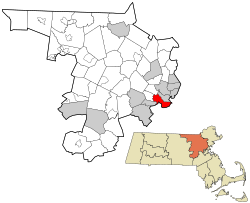
Location of Cambridge in Middlesex County, Massachusetts
|
|

 Cambridge, Massachusetts
Location in Boston Metro

Cambridge, Massachusetts
Location in Massachusetts

Cambridge, Massachusetts
Location in the United States
|
|
| Coordinates:
42°22′25″N 71°06′38″W / 42.37361°N 71.11056°W |
|
| Country | United States |
| State | Massachusetts |
| County | Middlesex |
| Region | New England |
| Settled | 1630 |
| Incorporated | 1636 |
| City | 1846 |
| Named after | University of Cambridge |
| Government | |
| • Type | Council–manager |
| • Mayor | Sumbul Siddiqui |
| • Vice mayor | Burhan Azeem |
| • City manager | Yi-An Huang |
| Area | |
|
• Total
|
7.10 sq mi (18.40 km) |
| • Land | 6.40 sq mi (16.57 km) |
| • Water | 0.71 sq mi (1.83 km) |
| Elevation | 39 ft (12 m) |
| Population
(2020)
|
|
|
• Total
|
118,403 |
| • Density | 18,510.7/sq mi (7,147.01/km) |
| • Demonym | Cantabrigian |
| Time zone | UTC−5 (Eastern) |
| • Summer (DST) | UTC−4 (Eastern) |
| ZIP Codes |
02138–02142
|
| Area code | 617 / 857 |
| FIPS code | 25-11000 |
| GNIS feature ID | 0617365 |
| Website | cambridgema |


Cambridge ( KAYM-brij) is a city in Middlesex County, Massachusetts, United States. It is a suburb in the Greater Boston metropolitan area, located directly across the Charles River from Boston. The city’s population as of the 2020 U.S. census was 118,403, making it the most populous city in the county, the fourth-largest in Massachusetts behind Boston, Worcester, and Springfield, and ninth-most populous in New England. The city was named in honor of the University of Cambridge in Cambridge, England, which was an important center of the Puritan theology that was embraced by the town’s founders.
Founded in December 1630 during the colonial era, Cambridge was one among the first cities established in the Thirteen Colonies, and it went on to play a historic role during the American Revolution. In May 1775, approximately 16,000 American patriots assembled in Cambridge Common to begin organizing a military retaliation against British troops following the Battles of Lexington and Concord. On July 2, 1775, two weeks after the Second Continental Congress in Philadelphia formally established the Continental Army and appointed George Washington commander of it, Washington arrived at Cambridge Common to take command of the Patriot soldiers camped there. Many of these soldiers played a role in supporting Washington’s successful siege of Boston, which trapped garrisoned British troops from moving by land, forcing the British to ultimately abandon Boston. Cambridge Common is thus celebrated as the birthplace of the Continental Army.
Harvard University, an Ivy League university founded in Cambridge in 1636, is the oldest institution of higher learning in the United States. The Massachusetts Institute of Technology (MIT), Lesley University, and Cambridge College also are based in Cambridge. Radcliffe College, a women’s liberal arts college, was based in Cambridge from its 1879 founding until its assimilation into Harvard in 1999.
Kendall Square, near MIT in the eastern part of Cambridge, has been called “the most innovative square mile on the planet” due to the high concentration of startup companies that have emerged there since 2010. In 2022, Cambridge was home to over 250 biotech companies, with more than 120 located within the Kendall Square ZIP Code.
ABOUT Cambridge, MA
Native Americans inhabited the Charles River basin for thousands of years prior to European colonization of the Americas, as confirmed by archaeological remains in neighboring Watertown and Boston. At the time of European contact, the area was inhabited by Naumkeag of the Pawtucket Confederacy to the north and Massachusett to the south.
The contact period introduced a number of European infectious diseases which would decimate native populations in virgin soil epidemics, significantly depopulating the Charles River basin upon the arrival of large groups of English settlers in the 1630s. A deed for the land that includes present-day Cambridge was ultimately obtained from the Naumkeag Squaw Sachem of Mistick in 1639, after a leptospirosis epidemic in 1616-19 and a smallpox epidemic in 1633 killed large portions of her tribe, including two of her sons.
Some sources list Cambridge as the English toponym for Anmoughcawgen, meaning ‘fishing weir’ or ‘beaver dam’ in Natick, however this misconception arises from John Smith’s 1617 Description of New England, in which Cambridge was one of several English place names arbitrarily applied by Smith and Prince Charles I of England, in this case to a location on the Kennebec River in Maine, far to the north of the later settlement of Cambridge, which was not so named until 1638. An indigenous place name for the present day location of Cambridge is not known, though other native place names along the Charles in the 1600s included Pequoset and Nonantum upstream and Mishawum and Shawmut downstream, while the Charles River (also named by Smith) was known as the Quinobequin.
The first settlement of the Massachusetts Bay Colony was established in Salem, in June of 1626. That December, the site of present-day Cambridge was chosen for development because it was safely upriver from Boston Harbor, making it easily defensible from attacks by enemy ships. The city was founded by Thomas Dudley, his daughter Anne Bradstreet, and his son-in-law Simon Bradstreet. The first houses were built in the spring of 1631. The settlement was initially referred to as “the newe towne”. Official Massachusetts records show the name rendered as Newe Towne by 1632, and as Newtowne by 1638.
Located at the first convenient Charles River crossing west of Boston, Newtowne was one of several towns, including Boston, Dorchester, Watertown, and Weymouth, founded by the 700 original Puritan colonists of the Massachusetts Bay Colony who arrived on the Winthrop Fleet. Its first preacher was Thomas Hooker, who led many of its original inhabitants west in 1636 to found Hartford and the Connecticut Colony; before leaving, they sold their plots to more recent immigrants from England. The original village site is now within Harvard Square. The marketplace where farmers sold crops from surrounding towns at the edge of a salt marsh (since filled) remains within a small park at the corner of John F. Kennedy and Winthrop Streets.
In 1636, Newe College, later renamed Harvard College after benefactor John Harvard, was founded as North America’s first institution of higher learning. Its initial purpose was training ministers. According to Cotton Mather, Newtowne was chosen for the site of the college by the Great and General Court, then the legislature of the Massachusetts Bay Colony, primarily for its proximity to the popular and highly respected Puritan preacher Thomas Shepard. In May 1638, the settlement’s name was changed to Cambridge in honor of the University of Cambridge in Cambridge, England.
In 1639, the Great and General Court purchased the land that became present-day Cambridge from the Naumkeag Squaw Sachem of Mistick.
The town comprised a much larger area than the present city, with various outlying parts becoming independent towns over the years: Cambridge Village (later Newtown and now Newton) in 1688, Cambridge Farms (now Lexington) in 1712 or 1713, and Little or South Cambridge (now Brighton) and Menotomy or West Cambridge (now Arlington) in 1807. In the late 19th century, various schemes for annexing Cambridge to Boston were pursued and rejected.
Newtowne’s ministers, Hooker and Shepard, the college’s first president, the college’s major benefactor, and the first schoolmaster Nathaniel Eaton were all Cambridge alumni, as was the colony’s governor John Winthrop. In 1629, Winthrop had led the signing of the founding document of the city of Boston, which was known as the Cambridge Agreement, after the university. In 1650, Governor Thomas Dudley signed the charter creating the corporation that still governs Harvard College.
Cambridge grew slowly as an agricultural village eight miles (13 km) by road from Boston, the colony’s capital. By the American Revolution, most residents lived near the Common and Harvard College, with most of the town comprising farms and estates. Most inhabitants were descendants of the original Puritan colonists, but there was also a small elite of Anglican “worthies” who were not involved in village life, made their livings from estates, investments, and trade, and lived in mansions along “the Road to Watertown”, present-day Brattle Street, which is still known as Tory Row.