Lowell MA Gunite Pool Specialists
Gunite Pool Opening Service Lowell MA
When it comes to gunite pool opening service in Lowell MA, experience with concrete pools is everything. At Luxury Pools By MF, we provide expert gunite pool opening service designed specifically for the demands of concrete inground pools — protecting your plaster finish, your equipment, and your investment. We also provide professional pool closing service in Lowell MA and complete gunite pool winterization to protect your pool through New England winters.
The team has helped many Lowell homeowners, business owners, builders, property managers, and other individuals in the Greater Boston, MA area. After some research, we’re confident you’ll find us to be the right Gunite Pool Specialists to handle your outdoor project.
Luxury Pools By MF, a top-rated gunite pool builder specializes in:
-
-
- Custom Gunite Pool Design
- Custom Landscape Design
- Gunite Pool Installation
- Gunite Pool Renovation
- Pool Openings and Closings
- 3D Design Renderings
- Custom Spas
- Outdoor Kitchen / BBQ Installation
- Water Feature Design
- Unique Fire Pits
- Sunken Living Rooms
- Pool Houses and Outdoor Structures
- Amongst many other high-end services
-
Why It Matters
The Right Team Makes All the Difference When You Search for Pool Opening Service Near Me
Every spring, Lowell MA gunite pool owners face the same question: who should I call for pool opening service near me? And every fall: who can I trust to close my gunite pool correctly before winter? The answer matters far more than most homeowners realize. A gunite pool represents a six-figure investment — and the way it is opened and closed each season directly impacts the lifespan of your plaster finish, the reliability of your equipment, and the quality of your water for the entire swim season.
At Luxury Pools By MF, our pool opening and closing service is built around a single principle: gunite pools deserve gunite specialists. We do not service vinyl liner pools. We do not service fiberglass pools. Every protocol, every chemical procedure, and every inspection checklist we use is calibrated specifically for concrete pool construction.
If you own a gunite inground pool in Lowell MA, the sections below will tell you exactly what problems we solve, what you gain when you work with us, and why the difference between a generalist and a specialist could mean thousands of dollars in preventable repairs.
Pain Points for Gunite Pool Owners in Lowell MA
These are the problems we hear from MA homeowners season after season — all of them preventable with the right service provider.
- ✗Green, cloudy water every spring — last year’s closing was not done properly and algae took over under the cover all winter
- ✗Cracked fittings and broken plumbing at opening — result of an incomplete winterization blowout that left water in the lines to freeze
- ✗Etched or permanently stained plaster finish — caused by improper water chemistry at closing, expensive and entirely avoidable
- ✗Can’t get a timely appointment — booked weeks out, you lose valuable weeks of your Lowell MA swim season
- ✗Different technicians every visit — no continuity, no knowledge of your pool’s specific configuration from year to year
- ✗Generic protocols not designed for gunite — companies treating your concrete pool the same as a vinyl liner
- ✗Surprise repair bills at opening — damage a proper closing would have prevented entirely
- ✗No inspection or communication — service completed without flagging issues before they become major problems
Benefits of Our Gunite Pool Opening Service Lowell MA
What you get every season when you work with a gunite pool specialist who builds and services concrete pools exclusively.
- ✓Crystal-clear water from day one — precise chemical balancing means you’re swimming sooner, spending less on chemicals
- ✓Plaster and finish protection — chemistry protocols calibrated for gunite finishes, preserving the life of your surface by years
- ✓Full equipment inspection included — thorough check of pump, filter, heater, shell, and plumbing before swim season
- ✓Zero winter damage at opening — when your pool is closed correctly, spring openings are clean and repair-free
- ✓Consistent team, every season — same technicians open and close your pool with complete knowledge of its history
- ✓Complete winterization peace of mind — every line blown out, every piece of equipment protected before we leave
- ✓Builder-level expertise on every visit — technicians who understand gunite construction from the steel framework up
- ✓Long-term investment protection — proper seasonal care extends the life of your finish, equipment, and shell by years
Talk to an Expert
We understand that sometimes you just want to talk before scheduling a consultation. Our team will gladly answer any of your questions or help you with any of your concerns.
Call Mike or Kristine today!
(508) 504-7665
Our Services
Complete Gunite Pool Opening & Closing Service for Lowell MA Homeowners
Every service we provide is designed exclusively for gunite and concrete inground pools. No vinyl. No fiberglass. Just the expertise your pool deserves.
Spring Service — April through June
Inground Pool Opening Service for Gunite & Concrete Pools
Our inground pool opening service is a precision process built specifically for gunite and concrete pools. Every step protects your plaster finish, verifies your equipment, and delivers swim-ready water — so you lose zero days of your Lowell MA swim season.
- ✓Winter cover removal & storage — carefully removed, cleaned, folded, and stored to extend its lifespan
- ✓Equipment reinstallation — pump, filter, and heater reconnected, primed, and tested before we leave
- ✓Ladders, rails & accessories — all hardware reinstalled, torqued, and verified safe
- ✓Full vacuuming & brushing — shell, walls, steps, and floor cleaned of all off-season debris
- ✓Chemical start-up & balancing — full water test with pH, alkalinity, calcium hardness, and sanitizer corrected
- ✓Gunite shell & equipment inspection — detailed assessment of plaster, coping, fittings, plumbing, and equipment
Fall Service — September through October
Inground Pool Closing & Gunite Pool Closing Service
Our gunite pool closing service eliminates every risk that Lowell MA winters pose to your concrete pool. A single incomplete closing can result in thousands of dollars in spring damage. Our protocol leaves nothing to chance.
- ✓Hardware removal — ladders, rails, and accessories removed, dried, and stored safely
- ✓Complete plumbing blowout — every return, skimmer, and drain line cleared of all standing water
- ✓Equipment winterization — pump, filter, heater, and chlorinator drained and protected
- ✓Winterizing chemical treatment — algaecide, enzyme treatment, and shock precisely dosed
- ✓Water level adjustment — lowered to correct winterization depth for your pool’s configuration
- ✓Winter cover installation — securely fitted and anchored against debris, ice, and a New England winter
Our Specialty
Concrete Pool Opening Service in Lowell MA: We Only Service Gunite Pools
This is not a limitation — it is a deliberate choice that makes us significantly better at what we do. Luxury Pools By MF was built around gunite. We design gunite pools, we build gunite pools, and we provide concrete pool opening service in Lowell MA for gunite pools exclusively.
When you call a general pool service company for your gunite pool opening, you get the same technician who opened a vinyl-lined above-ground pool the day before. The chemistry is different. The inspection protocol is different. The winterization requirements are different.
If you own a gunite inground pool in Lowell MA, you have found the right team. If you own a vinyl liner or fiberglass pool, we respectfully refer you to a generalist — so we can remain completely focused on serving concrete pool owners at the highest possible level.
Pool Types — What We Service
We Service
We Service
Not Serviced
Not Serviced
Gunite Expertise
Why Gunite Pool Winterization Service in MA Demands More Than Generic Pool Service
Lowell MA winters are among the most demanding conditions for inground pool plumbing and equipment in New England. Here is exactly why gunite pool winterization requires a specialist.
Plaster & Aggregate Finish Chemistry
Gunite pool finishes — white plaster, quartz aggregate, pebble surfaces — are chemically reactive in ways vinyl and fiberglass never are. The pH, calcium hardness, and total alkalinity at closing directly determine whether your finish survives winter intact. Our protocols are precision-calibrated for concrete finishes specifically.
Steel-Reinforced Shell Inspection
Beneath every gunite pool’s plaster surface is a structural steel rebar skeleton. Our technicians inspect for signs of movement, cracking, or delamination that could indicate deeper structural stress — issues invisible to the untrained eye that can accelerate rapidly through a Lowell MA winter.
Gunite Pool Winterization — Complete Plumbing Blowout
Gunite pools — especially custom luxury pools — feature more complex plumbing than vinyl or fiberglass alternatives. Multiple return lines, water feature circuits, spa connections, and automation plumbing all require individual attention. Our gunite pool winterization blows out every single line without exception.
New England Freeze-Thaw Protocol
Lowell MA does not simply get cold — it freezes, thaws, and refreezes repeatedly. That cycle stresses pool plumbing more than a steady deep freeze ever would. Our gunite pool service in New England is built around this specific climate reality, winterizing at the timing and sequence that accounts for early October frost events and late-season hard freezes.
Why Choose Us
Our Pool De-Winterization Service & Seasonal Care Is Built on the Same Standard as Our Builds
When you invest in a gunite pool, you invest in decades of summers. Our pool de-winterization service reflects the same commitment to quality that goes into every pool we construct.
Gunite-Only Expertise
Every protocol and technician is trained exclusively for concrete pool construction — delivering depth that general pool companies cannot match.
Builder-Level Inspections
Because we build gunite pools from excavation to finish, we identify early signs of plaster wear, structural movement, and equipment deterioration others miss.
Consistent Teams
No rotating crews. No subcontractors. The same technicians open your pool in May and close it in October — your pool’s history is known every season.
MA Freeze-Thaw Specialists
Over three decades winterizing gunite pools in Lowell MA. Our protocols account for New England’s specific climate — not a generic national standard.
Honest, No-Pressure Service
If something needs attention, we tell you — clearly, without upselling, with the recommendation we would make if it were our own pool.
Statewide Lowell MA Coverage
South Shore, North Shore, Greater Boston, MetroWest, Cape Cod — one consistent standard of specialist-level care across all of Massachusetts.
Lowell MA Pool Calendar
When to Schedule Pool Opening & Pool Closing Service in Lowell MA
Timing your opening and closing correctly in Lowell MA directly affects water quality, chemical costs, and protection against freeze damage.
Ideal early opening window. Cool water inhibits algae growth, reducing startup costs. Best for pools with solid covers.
Opening Window
Peak demand period. Most MA homeowners open now. Book early — our schedule fills 4–6 weeks before Memorial Day.
Peak Demand
Sweet spot for closing. Water drops below 60°F — algae slows and winterizing chemicals work at peak effectiveness.
Closing Window
Final window before hard freeze risk. Close by mid-October to protect against early frost events cracking plumbing.
Close Deadline
Book your spring opening in March or April. Reserve your fall closing by late August. Our calendar fills quickly during peak windows when every Lowell MA pool owner needs service at once.
Frequently Asked Questions
Gunite Pool Opening & Closing Service — Your Questions Answered
Everything Lowell MA gunite pool owners ask us before booking their first service appointment.
What is gunite pool opening service and what does it include in Lowell MA?
When is the best time to schedule gunite pool opening service in Lowell MA?
When should I schedule pool closing service for my gunite pool in Lowell MA?
What is included in your gunite pool closing and winterization service?
Do you only service gunite and concrete inground pools?
Will you open or close a gunite pool that Luxury Pools By MF did not build?
Why does gunite pool winterization require more expertise than other pool types?
How much does gunite pool opening or closing service cost in Lowell MA?
How far in advance should I book pool opening or closing service in Lowell MA?
What areas of Lowell MA do you serve for pool opening and closing service?
Get Started
Ready to Schedule Your Gunite Pool Opening or Closing Service in Lowell MA?
Request a detailed, no-obligation estimate for your Lowell MA gunite pool. We respond quickly with a clear, itemized quote — no surprises, no pressure.
Lowell MAP
Lowell OVERVIEW
|
Lowell, Massachusetts
|
|
|---|---|
|
City
|
|
|
Downtown Lowell
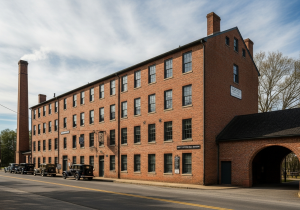
Lowell Mills
University of Massachusetts Lowell
Lowell City Hall
St. Patrick’s Church
Lowell Memorial Auditorium
|
|

Flag

Seal
|
|
| Nicknames:
Mill City, Spindle City, City of Lights City of Magic
|
|
| Motto:
“Art is the Handmaid of Human Good.”
|
|

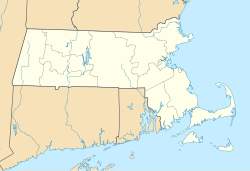
Location in Middlesex County in Massachusetts
|
|
 Lowell
Location in the United States
Lowell
Lowell (the United States)
|
|
| Coordinates:
42°38′22″N 71°18′53″W / 42.63944°N 71.31472°W |
|
| Country | United States |
| State | Massachusetts |
| County | Middlesex |
| Region | New England |
| Settled | 1652 |
| Incorporated | 1826 |
| A city | 1836 |
| Named after | Francis Cabot Lowell |
| Government | |
| • Type | Manager-City council |
| • Mayor | Erik Gitschier |
| • City Manager | Thomas Golden Jr. |
| Area | |
|
• Total
|
14.53 sq mi (37.63 km) |
| • Land | 13.61 sq mi (35.25 km) |
| • Water | 0.92 sq mi (2.38 km) |
| Elevation | 102 ft (31 m) |
| Population
(2020)
|
|
|
• Total
|
115,554 |
| • Density | 8,490.0/sq mi (3,278.02/km) |
| • Demonym | Lowellian |
| Time zone | UTC−5 (Eastern) |
| • Summer (DST) | UTC−4 (Eastern) |
| ZIP Codes |
01850–01854
|
| Area code | 978 / 351 |
| FIPS code | 25-37000 |
| GNIS feature ID | 0611832 |
| Website | lowellma.gov |


Lowell (/ˈloʊəl/ ) is a city in Massachusetts, United States. Alongside Cambridge, it is one of the two traditional seats of Middlesex County. With an estimated population of 115,554 in 2020, it was the fifth most populous city in Massachusetts as of the last census, and the third most populous in the Boston metropolitan statistical area. The city is also part of a smaller Massachusetts statistical area, called Greater Lowell, and of New England’s Merrimack Valley region.
Incorporated in 1826 to serve as a mill town, Lowell was named after Francis Cabot Lowell, a local figure in the Industrial Revolution. The city became known as the cradle of the American Industrial Revolution because of its textile mills and factories. Many of Lowell’s historic manufacturing sites were later preserved by the National Park Service to create Lowell National Historical Park. During the Cambodian genocide (1975–1979), the city took in an influx of refugees, leading to a Cambodia Town and America’s second-largest Cambodian-American population.
Lowell is home to two institutions of higher education. UMass Lowell, part of the University of Massachusetts system, has three campuses in the city. Middlesex Community College’s two campuses are in Lowell and in the town of Bedford, Massachusetts. Arts facilities in the city include the Whistler House Museum of Art, the Merrimack Repertory Theatre, the Lowell Memorial Auditorium, and Sampas Pavilion. In sports, the city has a long tradition of boxing, hosting the annual New England Golden Gloves boxing tournament. The city has a baseball stadium, Edward A. LeLacheur Park, and a multipurpose indoor sports arena, the Tsongas Center, both of which have hosted collegiate and minor-league professional sports teams. Cawley Stadium, home of the Lowell High School Red Raiders, also played host to the Boston Patriots during their first season.
ABOUT Lowell, MA
The Pawtucket Falls, which provided the hydropower for Lowell’s industry in the 1800s, also served as an important seasonal fishing site for native people at the time of European colonization in the 1600s. The Pawtucket people are named for this location, literally meaning “at the falls” in Massachusett.
In the mid-1600s, English efforts to convert native people to Christianity led to the founding of the “praying town” of Wamesit at the confluence of the Concord and Merrimack Rivers in what is today Lowell, however the Christian population of Wamesit was reckoned at only 75 people just prior to King Phillip’s War, which significantly altered relations between English colonists and indigenous groups in New England, and led to the abandonment of many praying towns. By the 1800s, the area that would become Lowell was part of the farming community of East Chelmsford, Massachusetts.
Founded in the 1820s as a planned manufacturing center for textiles, Lowell is located along the rapids of the Merrimack River, 25 miles (40 km) northwest of Boston in what used to be a farming community called East Chelmsford, Massachusetts. The so-called Boston Associates, including Nathan Appleton and Patrick Tracy Jackson of the Boston Manufacturing Company, named the new mill town after their visionary leader, Francis Cabot Lowell, who had died five years before its 1823 incorporation. As Lowell’s population grew, it acquired land from neighboring towns, and diversified into a full-fledged urban center. Many of the men who composed the labor force for constructing the canals and factories had immigrated from Ireland, escaping the poverty and Great Famine of the 1830s and 1840s. The mill workers, young single women called Mill Girls, generally came from the farm families of New England.
By the 1850s, Lowell had the largest industrial complex in the United States. The textile industry wove cotton produced in the Southern United States. In 1860, there were more cotton spindles in Lowell than in all eleven states combined that would form the Confederate States of America. Many of the coarse cottons produced in Lowell eventually returned to the South to clothe enslaved people, and, according to historian Sven Beckert, “‘Lowell’ became the generic term slaves used to describe coarse cottons.” The city continued to thrive as a major industrial center during the 19th century, attracting more migrant workers and immigrants to its mills. Next were the Catholic Germans, followed by a large influx of French Canadians during the 1870s and 1880s. Later waves of immigrants came to work in Lowell and settled in ethnic neighborhoods, with the city’s population reaching almost 50% foreign-born by 1900. By the time World War I broke out in Europe, the city had reached its economic peak.
In 1922, it was affected by the 1922 New England Textile Strike, shutting down the mills in the city over an attempted wage cut.
The Mill Cities’ manufacturing base declined as companies began to relocate to the South in the 1920s. The city fell into hard times, and was even referred to as a “depressed industrial desert” by Harper’s Magazine in 1931, as the Great Depression worsened. At this time, more than one third of its population was “on relief” (government assistance), as only three of its major textile corporations remained active. Several years later, the mills were reactivated, making parachutes and other military necessities for World War II. However, this economic boost was short-lived and the post-war years saw the last textile plants close.
In the 1970s, Lowell became part of the Massachusetts Miracle, being the headquarters of Wang Laboratories. At the same time, in part because many immigrants fled from Cambodia due to the genocide committed by the Khmer Rouge, Lowell became home to thousands of new immigrants, bolstering its population and workforce. The city continued to rebound, but this time, focusing more on culture. The former mill district along the river was partially restored and became part of the Lowell National Historical Park, founded in the late 1970s.
Although Wang went bankrupt in 1992, the city continued its cultural focus by hosting the nation’s largest free folk festival, the Lowell Folk Festival, as well as many other cultural events. This effort began to attract other companies and families back to the urban center. Additional historic manufacturing and commercial buildings were adapted as residential units and office space. By the 1990s, Lowell had built a new ballpark and arena, which became home to two minor league sports teams, the Lowell Devils and Lowell Spinners. The city also began to have a larger student population. The University of Massachusetts Lowell and Middlesex Community College expanded their programs and enrollment. During the period of time when Lowell was part of the Massachusetts Miracle, the Lowell City Development Authority created a Comprehensive Master Plan which included recommendations for zoning adaptations within the city. The city’s original zoning code was adopted in 1926 and was significantly revised in 1966 and 2004, with changes included to respond to concerns about overdevelopment.
In 2002, in lieu of updating the Comprehensive Master Plan, more broad changes were recommended so that the land use and development would be consistent with the current master plan. The most significant revision to the 1966 zoning code is the adoption of an inclusion of a transect-based zoning code and some aspects of a form-based code style of zoning that emphasizes urban design elements as a means to ensure that infill development will respect the character of the neighborhood or district in question. By 2004, the recommended zoning changes were unanimously adopted by the City Council and despite numerous changes to the 2004 Zoning Code, it remains the basic framework for resolving zoning issues in Lowell to this day.
The Hamilton Canal District (HCD) is the first district in Lowell in which regulation and development is defined by Form-Based Code (HCD-FBC) and legislated by its own guiding framework consistent to the HCD Master Plan. The HCD is a major redevelopment project that comprises 13 acres of vacant, underutilized land in downtown Lowell abutting former industrial mills. Trinity Financial was elected as the Master Developer to recreate this district with a vision of making a mixed-use neighborhood. Development plans included establishing the HCD as a gateway to downtown Lowell and enhanced connectivity to Gallagher Terminal.
In the 1990s, Lowell had been locally notorious for being a place of high drug trafficking and gang activity, and was the setting for a real life documentary, High on Crack Street: Lost Lives in Lowell. Between the years 1994–1999, crime dropped 50%, which was the highest rate of decrease for any American city with over 100,000 residents.