Swimming Pool Company Amesbury MA
Gunite Swimming Pool Company Amesbury, MA:
Inground Pool Contractors & Spa Experts
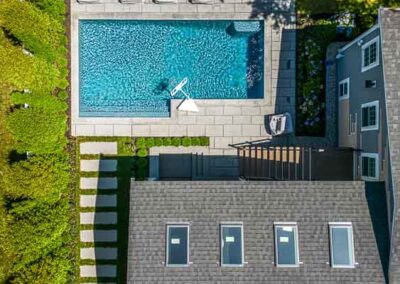
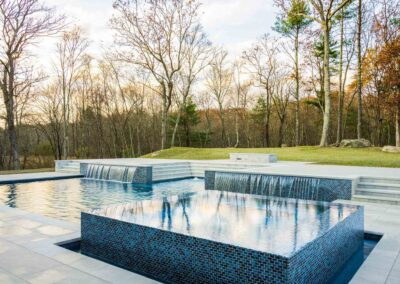
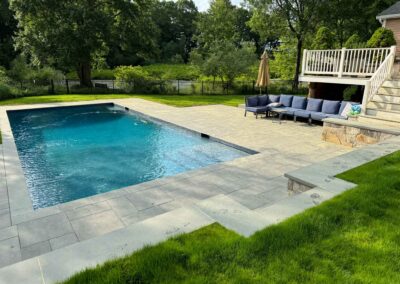
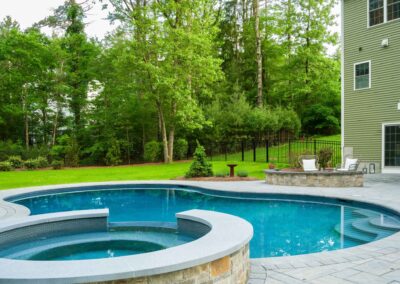
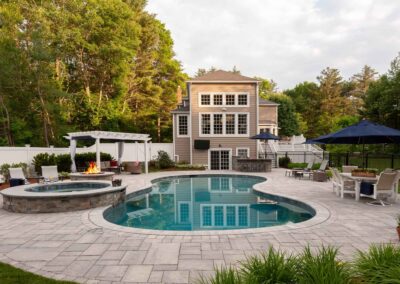
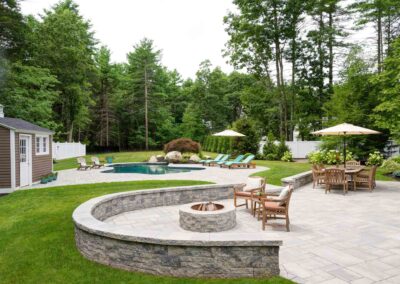
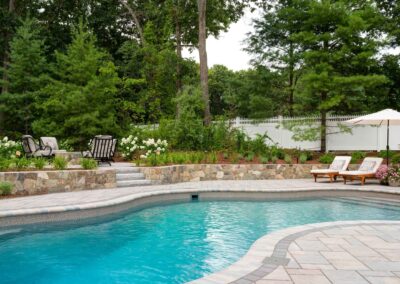
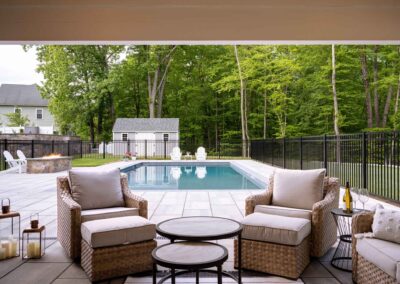
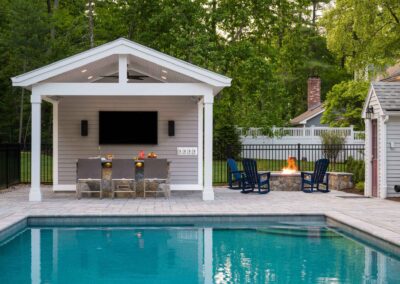
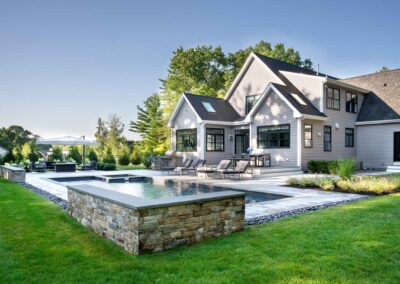
Welcome to the premier destination for all your swimming pool needs in Amesbury, MA. Whether you’re dreaming of a luxurious inground pool or a serene spa retreat, our team of expert pool builders is here to transform your backyard into a personal oasis. With a commitment to quality and customer satisfaction, our swimming pool company Amesbury take pride in providing exceptional
What to Look for in a Gunite Pool Contractor Amesbury, MA?
When choosing a gunite pool contractor in Amesbury, MA, it’s essential to look beyond just pricing. The right contractor will offer not only expert craftsmanship and premium materials but also a streamlined, start-to-finish experience—from custom design to flawless installation and ongoing maintenance. Look for a team that listens to your vision, respects your property, and delivers results that elevate your outdoor space. Experience, transparency, and a portfolio of stunning, completed projects are the hallmarks of a contractor you can trust with your investment.
How to Choose the Right Swimming Pool Company?
Choosing the right swimming pool contractor is crucial for ensuring a seamless pool construction experience. Look for a Swimming Pool Company with a proven track record in inground swimming pool projects, and prioritize those that offer comprehensive services from design to installation. A good contractor will guide you through the pool design process, helping you select the best materials and features for your new pool. Ensure they have the necessary licenses and insurance to protect your investment.
What Makes a Good Inground Pool Contractor?
An exceptional inground pool contractor combines technical expertise with creative vision. They should be adept at working with various materials, including gunite and vinyl liners, and have experience with custom pool designs. The ability to integrate additional features like spas and hot tubs seamlessly into your pool setup is a hallmark of a skilled contractor. Their commitment to using high-quality pool supplies and chemicals ensures the longevity and safety of your swimming pool.
Why is Experience Important in Pool Construction?
Experience in pool construction is invaluable. Seasoned contractors understand the nuances of pool installation and can anticipate potential challenges, ensuring a smooth and efficient build process. Their expertise in inground gunite and vinyl pool construction allows them to deliver a durable and aesthetically pleasing result. Experienced contractors also offer valuable insights into maintenance practices, helping pool owners enjoy their investment for years to come.
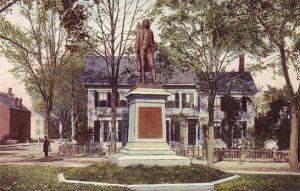
Luxury Pools By MF, a top-rated gunite pool builder specializes in:
-
-
- Custom Gunite Pool Design
- Custom Landscape Design
- Gunite Pool Installation
- Gunite Pool Renovation
- Pool Openings and Closings
- 3D Design Renderings
- Custom Spas
- Outdoor Kitchen / BBQ Installation
- Water Feature Design
- Unique Fire Pits
- Sunken Living Rooms
- Pool Houses and Outdoor Structures
- Amongst many other high-end services
-
The team has helped many Amesbury homeowners, business owners, builders, property managers, and other individuals in the Greater Boston, MA area. After some research, we’re confident you’ll find us to be the right Gunite Pool Builder to handle your outdoor project.
What Makes Us Different?
SUPERIOR CONSTRUCTION
Gunite swimming pools are built to last the tests of time..
Quality Craftsmanship
30+ years of gunite pool installation experience
Expert Project Managers
One-stop shop for all your gunite pool needs and services.
White-Glove Service
Top quality service to take care of all your pool needs.
How Does Gunite Pool Installation Work?
Gunite pool installation in Amesbury, MA is a multi-phase process that blends precision engineering with custom design. It begins with an in-depth consultation and site evaluation, followed by excavation and the creation of a steel-rebar framework that defines the shape of your pool. Once the structure is in place, gunite—a mixture of cement and sand—is sprayed at high velocity to form a solid, durable shell. After curing, your pool is finished with tiles, coping, and plaster, then filled and fine-tuned with the right equipment and water features. A reputable contractor will guide you through each step, ensuring your pool is built to last and tailored to your lifestyle.
What are the Steps in Inground Pool Installation?
The pool installation process begins with a thorough site assessment and design consultation. Once the design is finalized, excavation and groundwork prepare the space for the pool structure. Gunite or vinyl liner installation follows, creating the pool’s form. Finally, plumbing, electrical work, and finishing touches like decking and landscaping complete the project. Each step is meticulously planned to ensure quality and precision.
How Long Does It Take to Install a Swimming Pool?
The timeline for installing a swimming pool varies based on design complexity and site conditions. Generally, a standard inground pool project can take several weeks to a few months from start to finish. Factors such as weather, permitting, and customization options can influence the schedule. A reliable pool construction company will provide a detailed timeline and keep you informed throughout the process.
What Materials are Used in Gunite Pool Construction?
Gunite pools are renowned for their durability and versatility. The construction involves spraying a concrete mixture onto a reinforced steel framework, creating a robust and customizable structure. This method allows for flexible pool shapes and sizes, accommodating any backyard landscape. The use of high-quality materials ensures a long-lasting pool that can withstand the elements and provide endless enjoyment.
Talk to an Expert
We understand that sometimes you just want to talk before scheduling a consultation. Our team will gladly answer any of your questions or help you with any of your concerns.
Call Mike or Kristine today!
(508) 504-7665
Why Opt for a Gunite Pool in Your Amesbury Backyard?
Choosing a gunite pool for your backyard in Amesbury, MA means investing in durability, design flexibility, and timeless beauty. Unlike fiberglass or vinyl options, gunite pools are built to last for decades and can be fully customized to match your outdoor vision—whether you’re dreaming of a sleek modern retreat or a resort-style oasis. With endless options for shape, depth, and finishes, gunite allows for features like spas, waterfalls, tanning ledges, and intricate tile work. It’s the gold standard for homeowners who want more than just a pool—they want a showpiece.
What are the Benefits of Adding a Spa?
Adding a spa to your gunite pool enhances relaxation and wellness benefits. A spa provides a therapeutic experience, offering hydrotherapy features that alleviate stress and promote well-being. The integration of a spa with your pool creates a versatile space for entertainment and leisure, transforming your backyard into a luxurious retreat. The combination of a pool and spa increases property value and appeal.
CTA: Enhance Your Pool with a Spa
How to Integrate a Spa with Your Inground Pool?
Integrating a spa with your inground pool involves strategic design and expert installation. The spa can be seamlessly connected to the pool, allowing for shared heating and filtration systems. This integration not only optimizes space but also creates a cohesive aesthetic. A custom pool builder will work with you to design a layout that complements your landscape while meeting your functional needs.
CTA: Design Your Pool and Spa Combo
What Options are Available For My New Gunite Pool?
When it comes to designing your new gunite pool, the options are nearly limitless. From custom shapes and depths to premium finishes like quartz, pebble, or tile, gunite offers unmatched flexibility to bring your vision to life. You can add built-in spas, tanning ledges, beach entries, and dramatic water features like waterfalls or deck jets. Enhance your outdoor space further with integrated lighting, smart automation, and luxury additions like fire bowls, poolside kitchens, or swim-up bars. Whether you want a sleek modern look or a resort-style retreat, gunite pools are fully customizable to suit your style, space, and lifestyle.
How Often Should Pool Maintenance Be Done?
Regular pool maintenance is essential for preserving water quality and ensuring the longevity of your pool. Professional
CTA: Schedule Pool Maintenance Services
What to Expect from Professional Pool Service ?
Professional
CTA: Book Your Professional
How Does Luxury Pools By MF Design Custom Pools?
At Luxury Pools By MF, every custom pool begins with a personalized onsite visit or design consultation where we listen to your vision, assess your space, and explore the possibilities. From there, our design team creates a detailed plan tailored to your lifestyle, incorporating elements like pool shape, elevation, decking, landscaping, and optional features such as spas, water features, or integrated lighting. Once your design is finalized, our expert crew moves seamlessly into the gunite pool installation phase, using high-quality materials and precision craftsmanship to bring your dream pool to life. The result? A stunning, one-of-a-kind backyard retreat built for beauty, functionality, and lasting value.
What are the Latest Trends in Pool Design?
Luxury pools by MF Design embrace the latest trends in pool design, offering innovative features and materials that elevate your outdoor space. From infinity edges and natural stone finishes to energy-efficient systems and smart technology integration, our custom pools reflect modern aesthetics and functionality. Stay ahead of design trends with a pool that combines beauty and practicality, tailored to your lifestyle.
CTA: Discover Cutting-Edge Pool Designs
How to Incorporate a Custom Pool into Your Landscape?
Incorporating a custom pool into your landscape requires a harmonious blend of design elements and natural surroundings. Our team collaborates with you to create a pool that complements your home’s architecture and enhances your outdoor environment. Whether you desire a serene retreat or an entertainment hub, our custom designs ensure your pool is an integral part of your landscape, providing both visual appeal and functional enjoyment.
Ready to Begin?
Start your journey to a luxury pool or a redefined outdoor space by scheduling a free consultation with our team.




Amesbury MAP
Amesbury OVERVIEW
|
Amesbury, Massachusetts
|
|
|---|---|
|
City
|
|
| City of Amesbury | |
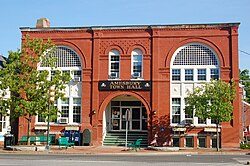
Amesbury City Hall
|
|

Flag

Seal

Coat of arms

Wordmark
|
|
| Nickname:
Carriagetown
|
|
| Motto:
“Make history here!”
|
|

Location in Essex County and Massachusetts
|
|
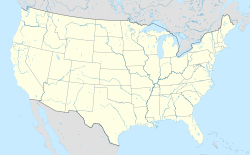
 Amesbury, Massachusetts
Location in the United States
|
|
| Coordinates: 42°51′30″N 70°55′50″W / 42.85833°N 70.93056°W | |
| Country | United States |
| State | Massachusetts |
| County | Essex |
| Settled | 1642 |
| Incorporated (town) | 1668 |
| Incorporated (city) | 1996 |
| Government | |
| • Type | Mayor-council city |
| • Mayor | Kassandra Gove |
| Area | |
|
• Total
|
13.73 sq mi (35.57 km) |
| • Land | 12.29 sq mi (31.84 km) |
| • Water | 1.44 sq mi (3.73 km) |
| Elevation | 50 ft (15 m) |
| Population
(2020)
|
|
|
• Total
|
17,366 |
| • Density | 1,412.79/sq mi (545.48/km) |
| Time zone | UTC−5 (Eastern) |
| • Summer (DST) | UTC−4 (Eastern) |
| ZIP code |
01913
|
| Area code | 351 / 978 |
| FIPS code | 25-01260, 25-01185 |
| GNIS feature ID | 0618292 |
| Website | City of Amesbury Official Web Site |
Amesbury is a city in Essex County, Massachusetts, United States, located on the left bank of the Merrimack River near its mouth, upstream from Salisbury and across the river from Newburyport and West Newbury. The population was 17,366 at the 2020 United States census. A former farming and mill town, Amesbury is today largely residential. It is one of the two northernmost towns in Massachusetts (the other being neighboring Salisbury).
ABOUT Amesbury, MA
At the time of European contact and colonization, the area north of the Merrimack River was inhabited by the Pentucket Tribe of the Pennacook confederation. Several places in Amesbury retain or have been returned to indigenous names including the Powwow River and Hill, and Lake Attitash.
In 1637, the first English settler in the Salisbury-Amesbury region, John Bayly, crossed the Merrimack River from the new settlement at Newbury, built a log cabin, and began to clear the land for cultivation. He intended to send for his wife and children in England, but they never joined him. He and his hired man, William Schooler, were arrested for a murder Schooler had committed. Schooler was hanged for the murder but Bayly was acquitted. Given the fishing rights on the river by the subsequent settlement, provided he would sell only to it, he abandoned agriculture for fishing.
On September 6, 1638, the General Court of Massachusetts created a plantation on behalf of several petitioners from Newbury, on the left bank of the Merrimack, as far north as Hampton, to be called Merrimac. They were given permission to associate together as a township. The area remained in possession of the tribes along the Merrimack, who hunted and fished there.
The settlers of the plantation, who entered Massachusetts Bay Colony, were rebels in a cause that was settled by the English Civil War (1642–1651). Although nominally subjects of the crown, they did not obey it. The settlers maintained close ties with the Parliamentary cause in Britain. The supreme government of the colony was the General Court, which functioned autonomously, passing its own laws, establishing courts, incorporating townships and providing for the overall defense of the colony. They established a Puritan church rather than the Church of England.
In the early spring of 1639, approximately 60 planters took up residence on land cleared by the natives. In May, an elected planning committee laid out the green, the initial streets, the burial ground, and the first division into lots, apportioning the size of a lot to the wealth of the settler. In November, the General Court appointed a government of six, which required that every lot owner take up residence on his lot. They began to assign lots west of the Pow-wow river. The town was originally named Colchester, but was renamed Salisbury in October 1640, potentially at the suggestion of Christopher Batt, from Salisbury, England. Batt trained the militia in the town. The incorporation of the town granted it legal recognition by the colony to a township of that name, with its own government, empowered by citizens populating a territory of legally defined boundaries. The original Salisbury was many times larger than the present. From it several townships were later separated.
On January 12, 1641, a town meeting ordered the first roads north and west of the Pow-wow River to be built. On April 21, another meeting granted William Osgood 50 acres of “upland” and 10 of “meadow” along the Pow-wow River, provided he build a sawmill for the town to use. It utilized a water wheel driven by the Pow-wow River. The mill produced lumber for local use and pipe-staves for export. A gristmill was added to the Pow-wow river location in 1642. The Powwow River provided water power for a subsequent mill complex. In 1642, the town wanted families to take up residence west of the Pow-wow and form a “New Town.” No volunteers responded.
In 1643, the General Court divided Massachusetts Bay Colony into four counties: Essex, Norfolk, Middlesex and Suffolk. Norfolk contained Salisbury, Hampton, Haverhill, Exeter, Dover, and Strawberry Bank (Portsmouth). This division was a legal convenience based on the distribution of courts. Since the first establishment of four courts on March 3, 1635, the General Court had found it necessary to multiply and distribute courts, so that the magistrates would not spend time in travel that they needed for settling case loads. The main requirement for membership in a shire was incorporation.
Private occupation of the west bank of the Pow-wow River went on as East Salisbury citizens sold their property and moved to New Town. However, New Town remained a paper construct without enforcement. On January 14, 1654, articles of agreement adopted at town meeting divided Salisbury into Old Town and New Town, each to conduct its own affairs. The border was the Pow-wow. The agreement went into effect on January 19, 1655. In New Town, a new government was voted in, which claimed authority over “all matters of publicke concernment.” They still paid taxes to Old Town and expected services from it. The board of Old Town contained some members from New Town for fair representation. This agreement also was known as a “settlement”.
On May 26, 1658, New Town petitioned the General Court for independent town status, but the Old Town denied the petition. The Old Town required all inhabitants, including those in the New Town, to attend church in Old Town and fined settlers for each missed meeting The church and preacher were maintained from taxes. Minister Joseph Peasley of New Town and his congregation attempting to defy the General Court were summoned into District Court at Ipswich “to answer for their disobedience”, were fined there and Peasly was enjoined from preaching. Another petition for separation was denied in 1660.
The burden of attending church several miles away became so great that New Town built a new meeting house and requested the General Court to find a preacher. The court yielded to the petition of 1666, granting the “liberty of a township” to New Town. The town was unofficially incorporated, meaning a government was constituted and officers elected, on June 15. It was named New Salisbury, but in 1667 the name was changed to Amesbury on the analogy of Amesbury, England, which was next to Salisbury, England. Amesbury was officially granted incorporation under that name on April 29, 1668.