Swimming Pool Company Cambridge MA
Gunite Swimming Pool Company Cambridge, MA:
Inground Pool Contractors & Spa Experts
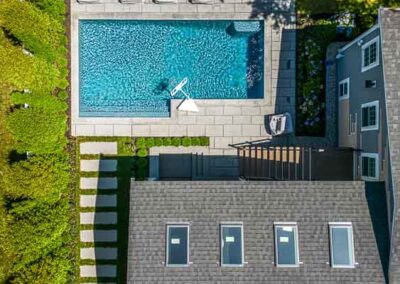
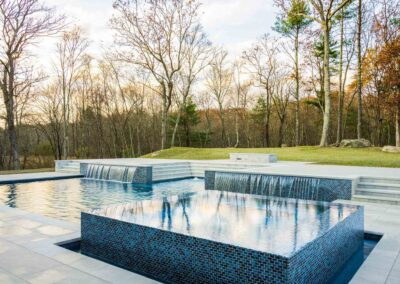
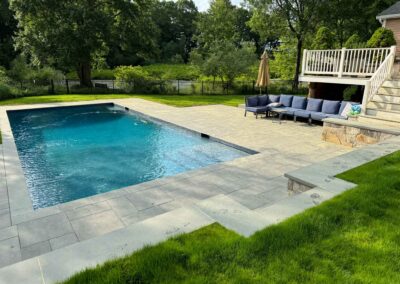
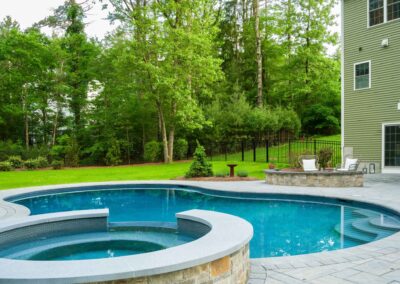
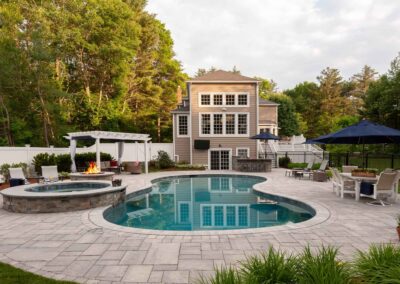
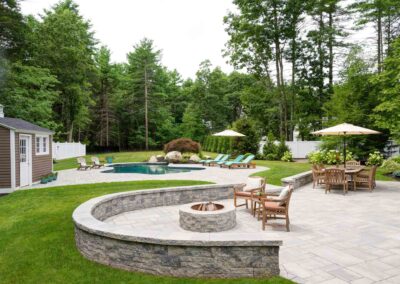
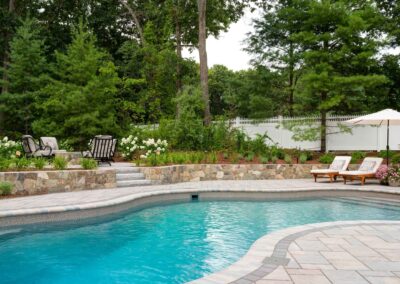
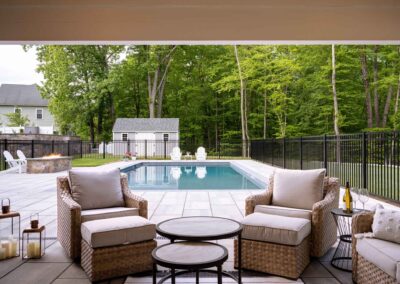
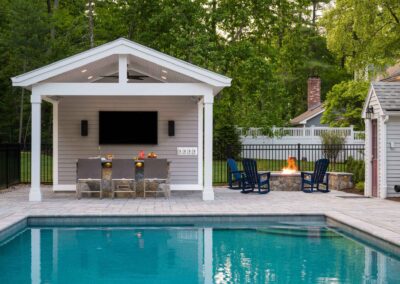
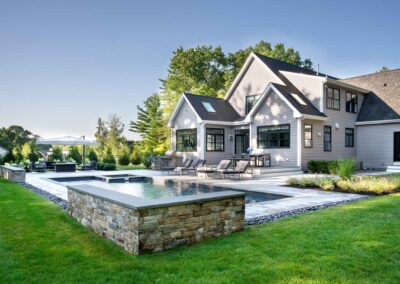
Welcome to the premier destination for all your swimming pool needs in Cambridge, MA. Whether you’re dreaming of a luxurious inground pool or a serene spa retreat, our team of expert pool builders is here to transform your backyard into a personal oasis. With a commitment to quality and customer satisfaction, our swimming pool company Cambridge take pride in providing exceptional
What to Look for in a Gunite Pool Contractor Cambridge, MA?
When choosing a gunite pool contractor in Cambridge, MA, it’s essential to look beyond just pricing. The right contractor will offer not only expert craftsmanship and premium materials but also a streamlined, start-to-finish experience—from custom design to flawless installation and ongoing maintenance. Look for a team that listens to your vision, respects your property, and delivers results that elevate your outdoor space. Experience, transparency, and a portfolio of stunning, completed projects are the hallmarks of a contractor you can trust with your investment.
How to Choose the Right Swimming Pool Company?
Choosing the right swimming pool contractor is crucial for ensuring a seamless pool construction experience. Look for a Swimming Pool Company with a proven track record in inground swimming pool projects, and prioritize those that offer comprehensive services from design to installation. A good contractor will guide you through the pool design process, helping you select the best materials and features for your new pool. Ensure they have the necessary licenses and insurance to protect your investment.
What Makes a Good Inground Pool Contractor?
An exceptional inground pool contractor combines technical expertise with creative vision. They should be adept at working with various materials, including gunite and vinyl liners, and have experience with custom pool designs. The ability to integrate additional features like spas and hot tubs seamlessly into your pool setup is a hallmark of a skilled contractor. Their commitment to using high-quality pool supplies and chemicals ensures the longevity and safety of your swimming pool.
Why is Experience Important in Pool Construction?
Experience in pool construction is invaluable. Seasoned contractors understand the nuances of pool installation and can anticipate potential challenges, ensuring a smooth and efficient build process. Their expertise in inground gunite and vinyl pool construction allows them to deliver a durable and aesthetically pleasing result. Experienced contractors also offer valuable insights into maintenance practices, helping pool owners enjoy their investment for years to come.

Luxury Pools By MF, a top-rated gunite pool builder specializes in:
-
-
- Custom Gunite Pool Design
- Custom Landscape Design
- Gunite Pool Installation
- Gunite Pool Renovation
- Pool Openings and Closings
- 3D Design Renderings
- Custom Spas
- Outdoor Kitchen / BBQ Installation
- Water Feature Design
- Unique Fire Pits
- Sunken Living Rooms
- Pool Houses and Outdoor Structures
- Amongst many other high-end services
-
The team has helped many Cambridge homeowners, business owners, builders, property managers, and other individuals in the Greater Boston, MA area. After some research, we’re confident you’ll find us to be the right Gunite Pool Builder to handle your outdoor project.
What Makes Us Different?
SUPERIOR CONSTRUCTION
Gunite swimming pools are built to last the tests of time..
Quality Craftsmanship
30+ years of gunite pool installation experience
Expert Project Managers
One-stop shop for all your gunite pool needs and services.
White-Glove Service
Top quality service to take care of all your pool needs.
How Does Gunite Pool Installation Work?
Gunite pool installation in Cambridge, MA is a multi-phase process that blends precision engineering with custom design. It begins with an in-depth consultation and site evaluation, followed by excavation and the creation of a steel-rebar framework that defines the shape of your pool. Once the structure is in place, gunite—a mixture of cement and sand—is sprayed at high velocity to form a solid, durable shell. After curing, your pool is finished with tiles, coping, and plaster, then filled and fine-tuned with the right equipment and water features. A reputable contractor will guide you through each step, ensuring your pool is built to last and tailored to your lifestyle.
What are the Steps in Inground Pool Installation?
The pool installation process begins with a thorough site assessment and design consultation. Once the design is finalized, excavation and groundwork prepare the space for the pool structure. Gunite or vinyl liner installation follows, creating the pool’s form. Finally, plumbing, electrical work, and finishing touches like decking and landscaping complete the project. Each step is meticulously planned to ensure quality and precision.
How Long Does It Take to Install a Swimming Pool?
The timeline for installing a swimming pool varies based on design complexity and site conditions. Generally, a standard inground pool project can take several weeks to a few months from start to finish. Factors such as weather, permitting, and customization options can influence the schedule. A reliable pool construction company will provide a detailed timeline and keep you informed throughout the process.
What Materials are Used in Gunite Pool Construction?
Gunite pools are renowned for their durability and versatility. The construction involves spraying a concrete mixture onto a reinforced steel framework, creating a robust and customizable structure. This method allows for flexible pool shapes and sizes, accommodating any backyard landscape. The use of high-quality materials ensures a long-lasting pool that can withstand the elements and provide endless enjoyment.
Talk to an Expert
We understand that sometimes you just want to talk before scheduling a consultation. Our team will gladly answer any of your questions or help you with any of your concerns.
Call Mike or Kristine today!
(508) 504-7665
Why Opt for a Gunite Pool in Your Cambridge Backyard?
Choosing a gunite pool for your backyard in Cambridge, MA means investing in durability, design flexibility, and timeless beauty. Unlike fiberglass or vinyl options, gunite pools are built to last for decades and can be fully customized to match your outdoor vision—whether you’re dreaming of a sleek modern retreat or a resort-style oasis. With endless options for shape, depth, and finishes, gunite allows for features like spas, waterfalls, tanning ledges, and intricate tile work. It’s the gold standard for homeowners who want more than just a pool—they want a showpiece.
What are the Benefits of Adding a Spa?
Adding a spa to your gunite pool enhances relaxation and wellness benefits. A spa provides a therapeutic experience, offering hydrotherapy features that alleviate stress and promote well-being. The integration of a spa with your pool creates a versatile space for entertainment and leisure, transforming your backyard into a luxurious retreat. The combination of a pool and spa increases property value and appeal.
CTA: Enhance Your Pool with a Spa
How to Integrate a Spa with Your Inground Pool?
Integrating a spa with your inground pool involves strategic design and expert installation. The spa can be seamlessly connected to the pool, allowing for shared heating and filtration systems. This integration not only optimizes space but also creates a cohesive aesthetic. A custom pool builder will work with you to design a layout that complements your landscape while meeting your functional needs.
CTA: Design Your Pool and Spa Combo
What Options are Available For My New Gunite Pool?
When it comes to designing your new gunite pool, the options are nearly limitless. From custom shapes and depths to premium finishes like quartz, pebble, or tile, gunite offers unmatched flexibility to bring your vision to life. You can add built-in spas, tanning ledges, beach entries, and dramatic water features like waterfalls or deck jets. Enhance your outdoor space further with integrated lighting, smart automation, and luxury additions like fire bowls, poolside kitchens, or swim-up bars. Whether you want a sleek modern look or a resort-style retreat, gunite pools are fully customizable to suit your style, space, and lifestyle.
How Often Should Pool Maintenance Be Done?
Regular pool maintenance is essential for preserving water quality and ensuring the longevity of your pool. Professional
CTA: Schedule Pool Maintenance Services
What to Expect from Professional Pool Service ?
Professional
CTA: Book Your Professional
How Does Luxury Pools By MF Design Custom Pools?
At Luxury Pools By MF, every custom pool begins with a personalized onsite visit or design consultation where we listen to your vision, assess your space, and explore the possibilities. From there, our design team creates a detailed plan tailored to your lifestyle, incorporating elements like pool shape, elevation, decking, landscaping, and optional features such as spas, water features, or integrated lighting. Once your design is finalized, our expert crew moves seamlessly into the gunite pool installation phase, using high-quality materials and precision craftsmanship to bring your dream pool to life. The result? A stunning, one-of-a-kind backyard retreat built for beauty, functionality, and lasting value.
What are the Latest Trends in Pool Design?
Luxury pools by MF Design embrace the latest trends in pool design, offering innovative features and materials that elevate your outdoor space. From infinity edges and natural stone finishes to energy-efficient systems and smart technology integration, our custom pools reflect modern aesthetics and functionality. Stay ahead of design trends with a pool that combines beauty and practicality, tailored to your lifestyle.
CTA: Discover Cutting-Edge Pool Designs
How to Incorporate a Custom Pool into Your Landscape?
Incorporating a custom pool into your landscape requires a harmonious blend of design elements and natural surroundings. Our team collaborates with you to create a pool that complements your home’s architecture and enhances your outdoor environment. Whether you desire a serene retreat or an entertainment hub, our custom designs ensure your pool is an integral part of your landscape, providing both visual appeal and functional enjoyment.
Ready to Begin?
Start your journey to a luxury pool or a redefined outdoor space by scheduling a free consultation with our team.




Cambridge MAP
Cambridge OVERVIEW
|
Cambridge
|
|
|---|---|
|
City
|
|
|
City Hall
Widener Library
Stata Center
Central Square
Harvard Yard
Fresh Pond
|
|

Flag

Seal
|
|
| Motto(s):
Literis Antiquis Novis Institutis Decora (Latin)
“Distinguished for Classical Learning and New Institutions”“ |
|
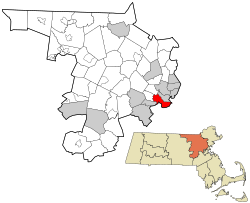
Location of Cambridge in Middlesex County, Massachusetts
|
|

 Cambridge
Location in Massachusetts

Cambridge
Location in the United States

Cambridge
Cambridge (the United States)
|
|
| Coordinates:
42°22′25″N 71°06′38″W / 42.37361°N 71.11056°W |
|
| Country | United States |
| State | Massachusetts |
| County | Middlesex |
| Region | New England |
| Settled | 1630 |
| Incorporated | 1636 |
| City | 1846 |
| Named after | University of Cambridge |
| Government | |
| • Type | Council–manager |
| • Mayor | E. Denise Simmons (D) |
| • Vice mayor | Marc C. McGovern |
| • City manager | Yi-An Huang |
| Area | |
|
• Total
|
7.10 sq mi (18.40 km) |
| • Land | 6.40 sq mi (16.57 km) |
| • Water | 0.71 sq mi (1.83 km) |
| Elevation | 40 ft (12 m) |
| Population
(2020)
|
|
|
• Total
|
118,218 |
| • Density | 18,512.04/sq mi (7,147.01/km) |
| • Demonym | Cantabrigian |
| Time zone | UTC−5 (Eastern) |
| • Summer (DST) | UTC−4 (Eastern) |
| ZIP Code |
02138-02142
|
| Area code | 617 / 857 |
| FIPS code | 25-11000 |
| GNIS feature ID | 0617365 |
| Website | cambridgema |


Cambridge ( KAYM-brij) is a city in Middlesex County, Massachusetts, United States. It is a suburb in the Greater Boston metropolitan area, located directly across the Charles River from Boston. The city’s population as of the 2020 U.S. census was 118,403, making it the most populous city in the county, the fourth-largest in Massachusetts behind Boston, Worcester, and Springfield, and ninth-most populous in New England. The city was named in honor of the University of Cambridge in Cambridge, England, which was an important center of the Puritan theology that was embraced by the town’s founders.
Harvard University, an Ivy League university founded in Cambridge in 1636, is the oldest institution of higher learning in the United States. The Massachusetts Institute of Technology (MIT), Lesley University, and Hult International Business School also are based in Cambridge. Radcliffe College, a women’s liberal arts college, was based in Cambridge from its 1879 founding until its assimilation into Harvard in 1999.
Kendall Square, near MIT in the eastern part of Cambridge, has been called “the most innovative square mile on the planet” due to the high concentration of startup companies that have emerged there since 2010.
Founded in December 1630 during the colonial era, Cambridge was one among the first cities established in the Thirteen Colonies, and it went on to play a historic role during the American Revolution.
In May 1775, approximately 16,000 American patriots assembled in Cambridge Common to begin organizing a military retaliation against British troops following the Battles of Lexington and Concord. On July 2, 1775, two weeks after the Second Continental Congress in Philadelphia formally established the Continental Army and appointed George Washington commander of it, Washington arrived at Cambridge Common to take command of the Patriot soldiers camped there. Many of these soldiers played a role in supporting Washington’s successful siege of Boston, which trapped garrisoned British troops from moving by land, forcing the British to ultimately abandon Boston. Cambridge Common is thus celebrated as the birthplace of the Continental Army.
ABOUT Cambridge, MA
The Massachusett inhabited the area that is now called Cambridge for thousands of years prior to European colonization of the Americas, most recently under the name Anmoughcawgen, which means ‘fishing weir’ or ‘beaver dam’ in Natick. At the time of European contact, the area was inhabited by Naumkeag or Pawtucket to the north and Massachusett to the south, and may have been inhabited by other groups such as the Totant, not well described in later European narratives. The contact period introduced a number of European infectious diseases which would decimate native populations in virgin soil epidemics, leaving the area uncontested upon the arrival of large groups of English settlers in 1630.
In December 1630, the site of present-day Cambridge was chosen for settlement because it was safely upriver from Boston Harbor, making it easily defensible from attacks by enemy ships. The city was founded by Thomas Dudley, his daughter Anne Bradstreet, and his son-in-law Simon Bradstreet. The first houses were built in the spring of 1631. The settlement was initially referred to as “the newe towne”. Official Massachusetts records show the name rendered as Newe Towne by 1632, and as Newtowne by 1638.
Located at the first convenient Charles River crossing west of Boston, Newtowne was one of several towns, including Boston, Dorchester, Watertown, and Weymouth, founded by the 700 original Puritan colonists of the Massachusetts Bay Colony under Governor John Winthrop. Its first preacher was Thomas Hooker, who led many of its original inhabitants west in 1636 to found Hartford and the Connecticut Colony; before leaving, they sold their plots to more recent immigrants from England. The original village site is now within Harvard Square. The marketplace where farmers sold crops from surrounding towns at the edge of a salt marsh (since filled) remains within a small park at the corner of John F. Kennedy and Winthrop Streets.
In 1636, Newe College, later renamed Harvard College after benefactor John Harvard, was founded as North America’s first institution of higher learning. Its initial purpose was training ministers. According to Cotton Mather, Newtowne was chosen for the site of the college by the Great and General Court, then the legislature of Massachusetts Bay Colony, primarily for its proximity to the popular and highly respected Puritan preacher Thomas Shepard. In May 1638, the settlement’s name was changed to Cambridge in honor of the University of Cambridge in Cambridge, England.
In 1639, the Massachusetts General Court purchased the land that became present-day Cambridge from the Naumkeag Squaw Sachem of Mistick.
The town comprised a much larger area than the present city, with various outlying parts becoming independent towns over the years: Cambridge Village (later Newtown and now Newton) in 1688, Cambridge Farms (now Lexington) in 1712 or 1713, and Little or South Cambridge (now Brighton) and Menotomy or West Cambridge (now Arlington) in 1807. In the late 19th century, various schemes for annexing Cambridge to Boston were pursued and rejected.
Newtowne’s ministers, Hooker and Shepard, the college’s first president, the college’s major benefactor, and the first schoolmaster Nathaniel Eaton were all Cambridge alumni, as was the colony’s governor John Winthrop. In 1629, Winthrop had led the signing of the founding document of the city of Boston, which was known as the Cambridge Agreement, after the university. In 1650, Governor Thomas Dudley signed the charter creating the corporation that still governs Harvard College.
Cambridge grew slowly as an agricultural village eight miles (13 km) by road from Boston, the colony’s capital. By the American Revolution, most residents lived near the Common and Harvard College, with most of the town comprising farms and estates. Most inhabitants were descendants of the original Puritan colonists, but there was also a small elite of Anglican “worthies” who were not involved in village life, made their livings from estates, investments, and trade, and lived in mansions along “the Road to Watertown”, present-day Brattle Street, which is still known as Tory Row.
The Virginian George Washington, coming from Philadelphia, took command of the force of Patriot soldiers camped on Cambridge Common on July 3, 1775, which is now considered the birthplace of the Continental Army.
On January 24, 1776, Henry Knox arrived with an artillery train captured from Fort Ticonderoga, which allowed Washington to force the British Army to evacuate Boston. Most of the Loyalist estates in Cambridge were confiscated after the Revolutionary War.