Swimming Pool Company Dartmouth MA
Gunite Swimming Pool Company Dartmouth, MA:
Inground Pool Contractors & Spa Experts
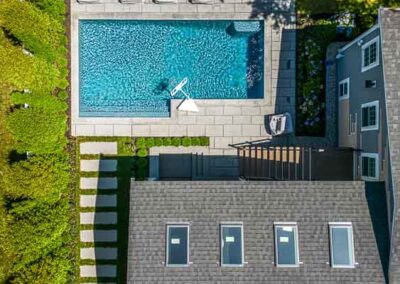
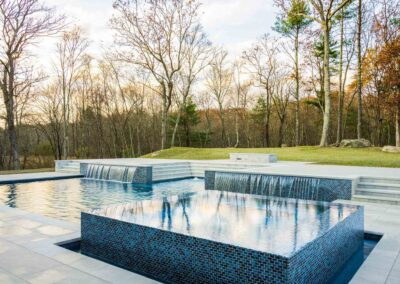
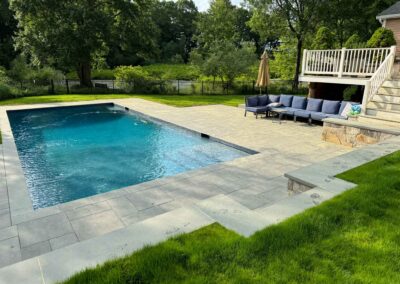
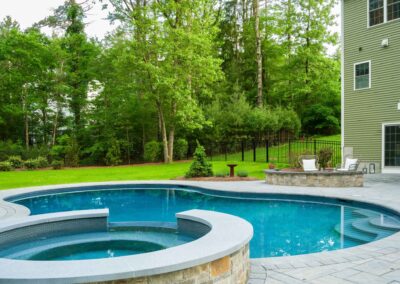
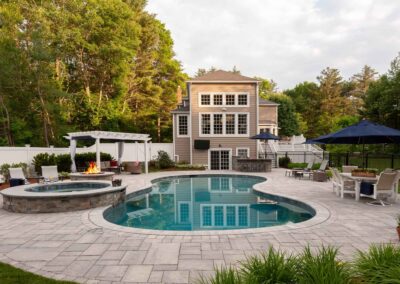
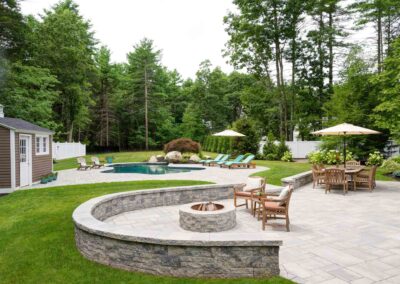
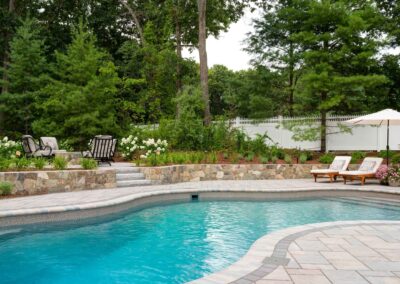
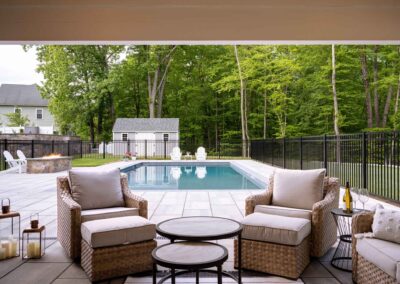
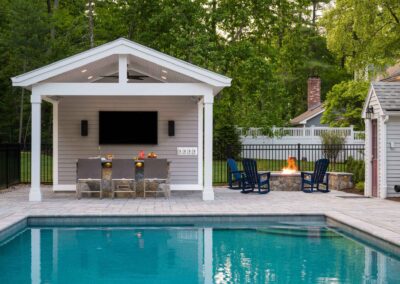
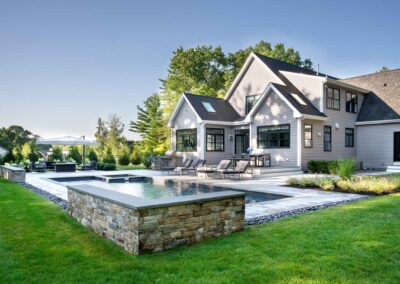
Welcome to the premier destination for all your swimming pool needs in Dartmouth, MA. Whether you’re dreaming of a luxurious inground pool or a serene spa retreat, our team of expert pool builders is here to transform your backyard into a personal oasis. With a commitment to quality and customer satisfaction, our swimming pool company Dartmouth take pride in providing exceptional
What to Look for in a Gunite Pool Contractor Dartmouth, MA?
When choosing a gunite pool contractor in Dartmouth, MA, it’s essential to look beyond just pricing. The right contractor will offer not only expert craftsmanship and premium materials but also a streamlined, start-to-finish experience—from custom design to flawless installation and ongoing maintenance. Look for a team that listens to your vision, respects your property, and delivers results that elevate your outdoor space. Experience, transparency, and a portfolio of stunning, completed projects are the hallmarks of a contractor you can trust with your investment.
How to Choose the Right Swimming Pool Company?
Choosing the right swimming pool contractor is crucial for ensuring a seamless pool construction experience. Look for a Swimming Pool Company with a proven track record in inground swimming pool projects, and prioritize those that offer comprehensive services from design to installation. A good contractor will guide you through the pool design process, helping you select the best materials and features for your new pool. Ensure they have the necessary licenses and insurance to protect your investment.
What Makes a Good Inground Pool Contractor?
An exceptional inground pool contractor combines technical expertise with creative vision. They should be adept at working with various materials, including gunite and vinyl liners, and have experience with custom pool designs. The ability to integrate additional features like spas and hot tubs seamlessly into your pool setup is a hallmark of a skilled contractor. Their commitment to using high-quality pool supplies and chemicals ensures the longevity and safety of your swimming pool.
Why is Experience Important in Pool Construction?
Experience in pool construction is invaluable. Seasoned contractors understand the nuances of pool installation and can anticipate potential challenges, ensuring a smooth and efficient build process. Their expertise in inground gunite and vinyl pool construction allows them to deliver a durable and aesthetically pleasing result. Experienced contractors also offer valuable insights into maintenance practices, helping pool owners enjoy their investment for years to come.
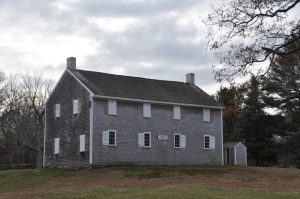
Luxury Pools By MF, a top-rated gunite pool builder specializes in:
-
-
- Custom Gunite Pool Design
- Custom Landscape Design
- Gunite Pool Installation
- Gunite Pool Renovation
- Pool Openings and Closings
- 3D Design Renderings
- Custom Spas
- Outdoor Kitchen / BBQ Installation
- Water Feature Design
- Unique Fire Pits
- Sunken Living Rooms
- Pool Houses and Outdoor Structures
- Amongst many other high-end services
-
The team has helped many Dartmouth homeowners, business owners, builders, property managers, and other individuals in the Greater Boston, MA area. After some research, we’re confident you’ll find us to be the right Gunite Pool Builder to handle your outdoor project.
What Makes Us Different?
SUPERIOR CONSTRUCTION
Gunite swimming pools are built to last the tests of time..
Quality Craftsmanship
30+ years of gunite pool installation experience
Expert Project Managers
One-stop shop for all your gunite pool needs and services.
White-Glove Service
Top quality service to take care of all your pool needs.
How Does Gunite Pool Installation Work?
Gunite pool installation in Dartmouth, MA is a multi-phase process that blends precision engineering with custom design. It begins with an in-depth consultation and site evaluation, followed by excavation and the creation of a steel-rebar framework that defines the shape of your pool. Once the structure is in place, gunite—a mixture of cement and sand—is sprayed at high velocity to form a solid, durable shell. After curing, your pool is finished with tiles, coping, and plaster, then filled and fine-tuned with the right equipment and water features. A reputable contractor will guide you through each step, ensuring your pool is built to last and tailored to your lifestyle.
What are the Steps in Inground Pool Installation?
The pool installation process begins with a thorough site assessment and design consultation. Once the design is finalized, excavation and groundwork prepare the space for the pool structure. Gunite or vinyl liner installation follows, creating the pool’s form. Finally, plumbing, electrical work, and finishing touches like decking and landscaping complete the project. Each step is meticulously planned to ensure quality and precision.
How Long Does It Take to Install a Swimming Pool?
The timeline for installing a swimming pool varies based on design complexity and site conditions. Generally, a standard inground pool project can take several weeks to a few months from start to finish. Factors such as weather, permitting, and customization options can influence the schedule. A reliable pool construction company will provide a detailed timeline and keep you informed throughout the process.
What Materials are Used in Gunite Pool Construction?
Gunite pools are renowned for their durability and versatility. The construction involves spraying a concrete mixture onto a reinforced steel framework, creating a robust and customizable structure. This method allows for flexible pool shapes and sizes, accommodating any backyard landscape. The use of high-quality materials ensures a long-lasting pool that can withstand the elements and provide endless enjoyment.
Talk to an Expert
We understand that sometimes you just want to talk before scheduling a consultation. Our team will gladly answer any of your questions or help you with any of your concerns.
Call Mike or Kristine today!
(508) 504-7665
Why Opt for a Gunite Pool in Your Dartmouth Backyard?
Choosing a gunite pool for your backyard in Dartmouth, MA means investing in durability, design flexibility, and timeless beauty. Unlike fiberglass or vinyl options, gunite pools are built to last for decades and can be fully customized to match your outdoor vision—whether you’re dreaming of a sleek modern retreat or a resort-style oasis. With endless options for shape, depth, and finishes, gunite allows for features like spas, waterfalls, tanning ledges, and intricate tile work. It’s the gold standard for homeowners who want more than just a pool—they want a showpiece.
What are the Benefits of Adding a Spa?
Adding a spa to your gunite pool enhances relaxation and wellness benefits. A spa provides a therapeutic experience, offering hydrotherapy features that alleviate stress and promote well-being. The integration of a spa with your pool creates a versatile space for entertainment and leisure, transforming your backyard into a luxurious retreat. The combination of a pool and spa increases property value and appeal.
CTA: Enhance Your Pool with a Spa
How to Integrate a Spa with Your Inground Pool?
Integrating a spa with your inground pool involves strategic design and expert installation. The spa can be seamlessly connected to the pool, allowing for shared heating and filtration systems. This integration not only optimizes space but also creates a cohesive aesthetic. A custom pool builder will work with you to design a layout that complements your landscape while meeting your functional needs.
CTA: Design Your Pool and Spa Combo
What Options are Available For My New Gunite Pool?
When it comes to designing your new gunite pool, the options are nearly limitless. From custom shapes and depths to premium finishes like quartz, pebble, or tile, gunite offers unmatched flexibility to bring your vision to life. You can add built-in spas, tanning ledges, beach entries, and dramatic water features like waterfalls or deck jets. Enhance your outdoor space further with integrated lighting, smart automation, and luxury additions like fire bowls, poolside kitchens, or swim-up bars. Whether you want a sleek modern look or a resort-style retreat, gunite pools are fully customizable to suit your style, space, and lifestyle.
How Often Should Pool Maintenance Be Done?
Regular pool maintenance is essential for preserving water quality and ensuring the longevity of your pool. Professional
CTA: Schedule Pool Maintenance Services
What to Expect from Professional Pool Service ?
Professional
CTA: Book Your Professional
How Does Luxury Pools By MF Design Custom Pools?
At Luxury Pools By MF, every custom pool begins with a personalized onsite visit or design consultation where we listen to your vision, assess your space, and explore the possibilities. From there, our design team creates a detailed plan tailored to your lifestyle, incorporating elements like pool shape, elevation, decking, landscaping, and optional features such as spas, water features, or integrated lighting. Once your design is finalized, our expert crew moves seamlessly into the gunite pool installation phase, using high-quality materials and precision craftsmanship to bring your dream pool to life. The result? A stunning, one-of-a-kind backyard retreat built for beauty, functionality, and lasting value.
What are the Latest Trends in Pool Design?
Luxury pools by MF Design embrace the latest trends in pool design, offering innovative features and materials that elevate your outdoor space. From infinity edges and natural stone finishes to energy-efficient systems and smart technology integration, our custom pools reflect modern aesthetics and functionality. Stay ahead of design trends with a pool that combines beauty and practicality, tailored to your lifestyle.
CTA: Discover Cutting-Edge Pool Designs
How to Incorporate a Custom Pool into Your Landscape?
Incorporating a custom pool into your landscape requires a harmonious blend of design elements and natural surroundings. Our team collaborates with you to create a pool that complements your home’s architecture and enhances your outdoor environment. Whether you desire a serene retreat or an entertainment hub, our custom designs ensure your pool is an integral part of your landscape, providing both visual appeal and functional enjoyment.
Ready to Begin?
Start your journey to a luxury pool or a redefined outdoor space by scheduling a free consultation with our team.




Dartmouth MAP
Dartmouth OVERVIEW
|
Dartmouth, Massachusetts
Apponeganset
|
|
|---|---|
|
Town
|
|

Dartmouth Town Hall
|
|

Seal
|
|
| Motto(s):
Utile Dulci (Latin)
“Service Through Kindness and Peaceful Means” |
|

Location in Bristol County in Massachusetts
|
|
| Coordinates:
41°36′52″N 70°58′11″W / 41.61444°N 70.96972°W |
|
| Country | United States |
| State | Massachusetts |
| County | Bristol |
| Settled | 1652 |
| Incorporated | 1664 |
| Government | |
| • Type | Representative town meeting |
| Area | |
|
• Total
|
97.5 sq mi (252.6 km) |
| • Land | 60.9 sq mi (157.8 km) |
| • Water | 36.6 sq mi (94.8 km) |
| Elevation | 125 ft (38 m) |
| Population
(2020)
|
|
|
• Total
|
33,783 |
| • Density | 350/sq mi (130/km) |
| Time zone | UTC−5 (Eastern) |
| • Summer (DST) | UTC−4 (Eastern) |
| ZIP Codes |
02747 (North Dartmouth)
02748 (South Dartmouth) 02714 (Dartmouth – PO Box) |
| Area codes | 508/774 |
| FIPS code | 25-16425 |
| GNIS ID | 0618279 |
| Website | town |

Dartmouth (Massachusett: Apponeganset) is a coastal town in Bristol County, Massachusetts, United States. Old Dartmouth was the first area of Southeastern Massachusetts to be settled by Europeans in 1652, primarily English. Dartmouth is part of New England’s farm coast, which consists of a chain of historic coastal villages, vineyards, and farms. June 8, 2014, marked the 350th year of Dartmouth’s incorporation as a town. It is also part of the Massachusetts South Coast.
The northern part of Dartmouth hosts the town’s large commercial districts. The southern part of town abuts Buzzards Bay, and there are several other waterways, including Lake Noquochoke, Cornell Pond, Slocums River, Shingle Island River and Paskamansett River. The town has several working farms and one vineyard, which is part of the Coastal Wine Tour. With a thriving agricultural heritage, the town and state have protected many of the working farms.
The southern part of Dartmouth borders Buzzards Bay, where a lively fishing and boating community thrives; off its coast, the Elizabeth Islands and Cuttyhunk can be seen. The New Bedford Yacht Club in Padanaram hosts a bi-annual regatta. It has been a destination for generations as a summer community. Notable affluent sections within South Dartmouth are Nonquitt, Round Hill, Barney’s Joy, and Mishaum Point. As of the 2020 census, the year-round population of Dartmouth was 33,783.
Dartmouth is the third-largest town (by land area) in Massachusetts, after Plymouth and Middleborough. The distance from Dartmouth’s northernmost border with Freetown to Buzzards Bay in the south is approximately 16 miles (26 km). The villages of Hixville, Bliss Corner, Padanaram, Smith Mills, and Russells Mills are located within the town. Dartmouth shares borders with Westport to the west, Freetown and Fall River to the north, Buzzards Bay to the south, and New Bedford to the east. Boat shuttles provide regular transportation daily to Martha’s Vineyard and Cuttyhunk Island.
The local weekly newspapers are The Dartmouth/Westport Chronicle and Dartmouth Week. The Portuguese municipality of Lagoa is twinned with the town; along with several other Massachusetts and Rhode Island towns and cities around Bristol County.
ABOUT Dartmouth, MA
Before the 17th century, the lands that now constitute Dartmouth had been inhabited by the Wampanoag Native Americans, who were part of the Algonquian language family and had settlements throughout southeastern Massachusetts and Rhode Island, including Martha’s Vineyard and Nantucket. Their population is believed to have been about 12,000.
The Wampanoag inhabited the area for up to a thousand years before European colonization, and their ancestors had been there longer. In John Winthrop’s (1587–1649) journal, he wrote the name of Dartmouth’s indigenous tribes as being the Nukkehkammes. The English explorer Bartholomew Gosnold in the ship Concord landed on Cuttyhunk Island on May 15, 1602, and explored the area before leaving and eventually settling in the Jamestown Colony of Virginia. Gosnolds explorations of the area took him to Round Hill, which he named Hap’s Hill. Additionally he described the territories of Dartmouth as being covered in fields with flowers, beech and cedar groves. He picked wild strawberries, and noticed deer. He also saw the Apponagansett River which runs through Padanaram Harbor, and the Acushnet River.
Settled sparsely by the natives, with the arrival of the pilgrims in Plymouth, the region gradually began to become of interest to the colonists, until a meeting was held to officially purchase the land.
On March 7, 1652, English colonists met with the native tribe and purchased Old Dartmouth—a region of 115,000 acres (470 km) that now contains the modern cities and towns of Dartmouth, Acushnet, New Bedford, Fairhaven, and Westport—in a treaty between the Wampanoag—represented by Chief Ousamequin (Massasoit) and his son Wamsutta—and high-ranking “Purchasers” and “Old Comers” from Plymouth Colony: John Winslow, William Bradford, Myles Standish, Thomas Southworth, and John Cooke. John Cooke had come to America as a passenger on the Mayflower, a Baptist Minister, he was forced to leave Plymouth due to religious views that differed from the rest of the Plymouth Colony. He would settle in Old Dartmouth.
While the Europeans considered themselves full owners of the land through the transaction, the Wampanoag have disputed this claim because the concept of exclusive land ownership—in contrast with hunting, fishing, and farming rights—was a foreign concept to them. According to the European interpretation of the deed, in one year, all Natives previously living on the land would have to leave. This led to a lengthy land dispute as the deed did not define boundary lines, and merely referred to the ceded land as, “that land called Dartmouth” and the younger son of Massasoit, Metacomet, began to question the boundary lines of the purchase. Metacomet stated that he had not been consulted about the sale, and he had not given his written permission. The situation culminated with new boundaries drawn up by referees. Chief Massasoit gave his final permission to the changes in 1665.
About six months after the official purchase, Dartmouth began to be settled by English immigrants around November 1652, and it was officially incorporated in 1664. While the Europeans considered themselves full owners of the land through the transaction, the Wampanoag disputed this claim because the concept of land ownership—in contrast with hunting, fishing, and farming rights—was a foreign concept to them.
The town was purchased by 34 people from the Plymouth Colony, but most of the purchasers never lived in Dartmouth. Only ten families came to reside in Dartmouth. Those ten families were the Cooks, Delanos, Francis’, Hicks’, Howlands, Jennys, Kemptons, Mortons, Samsons, and Soules.
Members of the Religious Society of Friends, also known as Quakers, were among the early European settlers on the South Coast. They had faced persecution in the Puritan communities of Plymouth Colony and Massachusetts Bay Colony; the latter banned the Quakers in 1656–1657. When the Massachusetts Bay Colony annexed the Plymouth Colony in 1691, Quakers already represented a majority of the population of Old Dartmouth. In 1699, with the support of Peleg Slocum, the Quakers built their first meeting house in Old Dartmouth, where the Apponegansett Meeting House is now located.
At first, the Old Dartmouth territory was devoid of major town centers, and instead had isolated farms and small, decentralized villages, such as Russells’ Mills. One reason for this is that the inhabitants enjoyed their independence from the Plymouth Colony and they did not want to have a large enough population for the Plymouth court to appoint them a minister. There are still Quaker meeting houses in Dartmouth, including the Smith Neck Meeting House, the Allens Neck Meeting House, and the Apponegansett Meeting House, which is on the National Register of Historic Places.
The rising European population and increasing demand for land led the colonists’ relationship with the indigenous inhabitants of New England to deteriorate. European encroachment and disregard for the terms of the Old Dartmouth Purchase led to King Philip’s War in 1675. In this conflict, Wampanoag tribesmen, allied with the Narragansett and the Nipmuc, raided Old Dartmouth and other European settlements in the area. Europeans in Old Dartmouth garrisoned in sturdier homes—John Russell’s garrison in Padanaram, John Cooke’s home in Fairhaven, and a third garrison on Palmer Island.