Swimming Pool Company Fall River MA
Gunite Swimming Pool Company Fall River, MA:
Inground Pool Contractors & Spa Experts
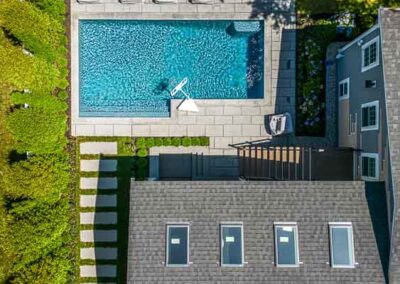
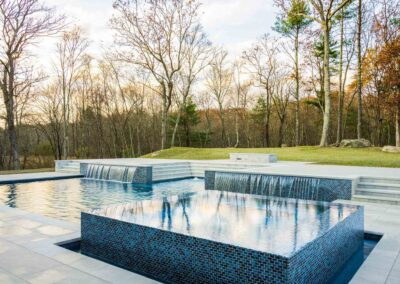
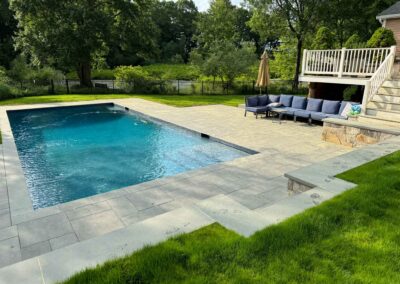
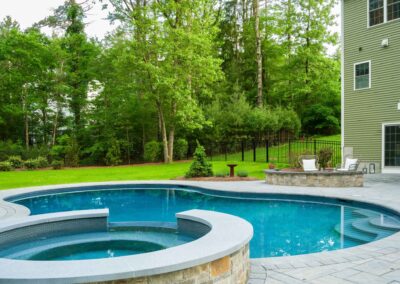
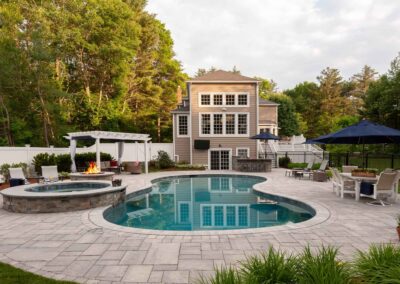
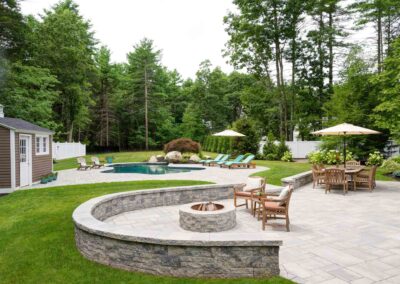
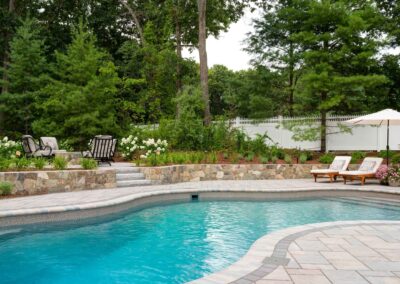
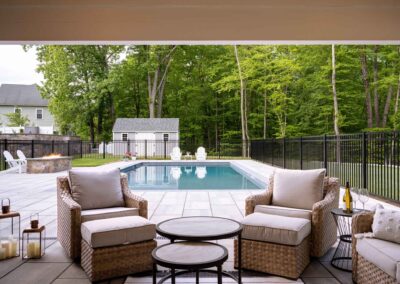
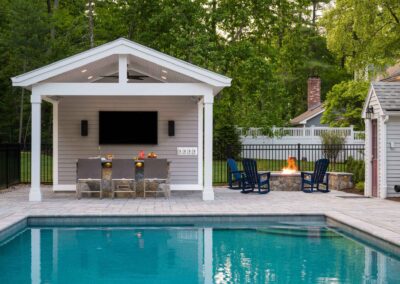
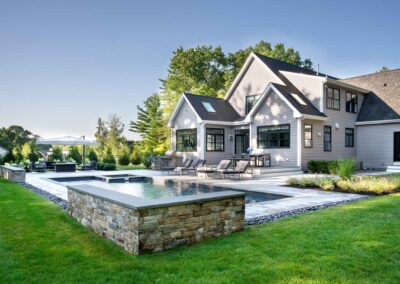
Welcome to the premier destination for all your swimming pool needs in Fall River, MA. Whether you’re dreaming of a luxurious inground pool or a serene spa retreat, our team of expert pool builders is here to transform your backyard into a personal oasis. With a commitment to quality and customer satisfaction, our swimming pool company Fall River take pride in providing exceptional
What to Look for in a Gunite Pool Contractor Fall River, MA?
When choosing a gunite pool contractor in Fall River, MA, it’s essential to look beyond just pricing. The right contractor will offer not only expert craftsmanship and premium materials but also a streamlined, start-to-finish experience—from custom design to flawless installation and ongoing maintenance. Look for a team that listens to your vision, respects your property, and delivers results that elevate your outdoor space. Experience, transparency, and a portfolio of stunning, completed projects are the hallmarks of a contractor you can trust with your investment.
How to Choose the Right Swimming Pool Company?
Choosing the right swimming pool contractor is crucial for ensuring a seamless pool construction experience. Look for a Swimming Pool Company with a proven track record in inground swimming pool projects, and prioritize those that offer comprehensive services from design to installation. A good contractor will guide you through the pool design process, helping you select the best materials and features for your new pool. Ensure they have the necessary licenses and insurance to protect your investment.
What Makes a Good Inground Pool Contractor?
An exceptional inground pool contractor combines technical expertise with creative vision. They should be adept at working with various materials, including gunite and vinyl liners, and have experience with custom pool designs. The ability to integrate additional features like spas and hot tubs seamlessly into your pool setup is a hallmark of a skilled contractor. Their commitment to using high-quality pool supplies and chemicals ensures the longevity and safety of your swimming pool.
Why is Experience Important in Pool Construction?
Experience in pool construction is invaluable. Seasoned contractors understand the nuances of pool installation and can anticipate potential challenges, ensuring a smooth and efficient build process. Their expertise in inground gunite and vinyl pool construction allows them to deliver a durable and aesthetically pleasing result. Experienced contractors also offer valuable insights into maintenance practices, helping pool owners enjoy their investment for years to come.

Luxury Pools By MF, a top-rated gunite pool builder specializes in:
-
-
- Custom Gunite Pool Design
- Custom Landscape Design
- Gunite Pool Installation
- Gunite Pool Renovation
- Pool Openings and Closings
- 3D Design Renderings
- Custom Spas
- Outdoor Kitchen / BBQ Installation
- Water Feature Design
- Unique Fire Pits
- Sunken Living Rooms
- Pool Houses and Outdoor Structures
- Amongst many other high-end services
-
The team has helped many Fall River homeowners, business owners, builders, property managers, and other individuals in the Greater Boston, MA area. After some research, we’re confident you’ll find us to be the right Gunite Pool Builder to handle your outdoor project.
What Makes Us Different?
SUPERIOR CONSTRUCTION
Gunite swimming pools are built to last the tests of time..
Quality Craftsmanship
30+ years of gunite pool installation experience
Expert Project Managers
One-stop shop for all your gunite pool needs and services.
White-Glove Service
Top quality service to take care of all your pool needs.
How Does Gunite Pool Installation Work?
Gunite pool installation in Fall River, MA is a multi-phase process that blends precision engineering with custom design. It begins with an in-depth consultation and site evaluation, followed by excavation and the creation of a steel-rebar framework that defines the shape of your pool. Once the structure is in place, gunite—a mixture of cement and sand—is sprayed at high velocity to form a solid, durable shell. After curing, your pool is finished with tiles, coping, and plaster, then filled and fine-tuned with the right equipment and water features. A reputable contractor will guide you through each step, ensuring your pool is built to last and tailored to your lifestyle.
What are the Steps in Inground Pool Installation?
The pool installation process begins with a thorough site assessment and design consultation. Once the design is finalized, excavation and groundwork prepare the space for the pool structure. Gunite or vinyl liner installation follows, creating the pool’s form. Finally, plumbing, electrical work, and finishing touches like decking and landscaping complete the project. Each step is meticulously planned to ensure quality and precision.
How Long Does It Take to Install a Swimming Pool?
The timeline for installing a swimming pool varies based on design complexity and site conditions. Generally, a standard inground pool project can take several weeks to a few months from start to finish. Factors such as weather, permitting, and customization options can influence the schedule. A reliable pool construction company will provide a detailed timeline and keep you informed throughout the process.
What Materials are Used in Gunite Pool Construction?
Gunite pools are renowned for their durability and versatility. The construction involves spraying a concrete mixture onto a reinforced steel framework, creating a robust and customizable structure. This method allows for flexible pool shapes and sizes, accommodating any backyard landscape. The use of high-quality materials ensures a long-lasting pool that can withstand the elements and provide endless enjoyment.
Talk to an Expert
We understand that sometimes you just want to talk before scheduling a consultation. Our team will gladly answer any of your questions or help you with any of your concerns.
Call Mike or Kristine today!
(508) 504-7665
Why Opt for a Gunite Pool in Your Fall River Backyard?
Choosing a gunite pool for your backyard in Fall River, MA means investing in durability, design flexibility, and timeless beauty. Unlike fiberglass or vinyl options, gunite pools are built to last for decades and can be fully customized to match your outdoor vision—whether you’re dreaming of a sleek modern retreat or a resort-style oasis. With endless options for shape, depth, and finishes, gunite allows for features like spas, waterfalls, tanning ledges, and intricate tile work. It’s the gold standard for homeowners who want more than just a pool—they want a showpiece.
What are the Benefits of Adding a Spa?
Adding a spa to your gunite pool enhances relaxation and wellness benefits. A spa provides a therapeutic experience, offering hydrotherapy features that alleviate stress and promote well-being. The integration of a spa with your pool creates a versatile space for entertainment and leisure, transforming your backyard into a luxurious retreat. The combination of a pool and spa increases property value and appeal.
CTA: Enhance Your Pool with a Spa
How to Integrate a Spa with Your Inground Pool?
Integrating a spa with your inground pool involves strategic design and expert installation. The spa can be seamlessly connected to the pool, allowing for shared heating and filtration systems. This integration not only optimizes space but also creates a cohesive aesthetic. A custom pool builder will work with you to design a layout that complements your landscape while meeting your functional needs.
CTA: Design Your Pool and Spa Combo
What Options are Available For My New Gunite Pool?
When it comes to designing your new gunite pool, the options are nearly limitless. From custom shapes and depths to premium finishes like quartz, pebble, or tile, gunite offers unmatched flexibility to bring your vision to life. You can add built-in spas, tanning ledges, beach entries, and dramatic water features like waterfalls or deck jets. Enhance your outdoor space further with integrated lighting, smart automation, and luxury additions like fire bowls, poolside kitchens, or swim-up bars. Whether you want a sleek modern look or a resort-style retreat, gunite pools are fully customizable to suit your style, space, and lifestyle.
How Often Should Pool Maintenance Be Done?
Regular pool maintenance is essential for preserving water quality and ensuring the longevity of your pool. Professional
CTA: Schedule Pool Maintenance Services
What to Expect from Professional Pool Service ?
Professional
CTA: Book Your Professional
How Does Luxury Pools By MF Design Custom Pools?
At Luxury Pools By MF, every custom pool begins with a personalized onsite visit or design consultation where we listen to your vision, assess your space, and explore the possibilities. From there, our design team creates a detailed plan tailored to your lifestyle, incorporating elements like pool shape, elevation, decking, landscaping, and optional features such as spas, water features, or integrated lighting. Once your design is finalized, our expert crew moves seamlessly into the gunite pool installation phase, using high-quality materials and precision craftsmanship to bring your dream pool to life. The result? A stunning, one-of-a-kind backyard retreat built for beauty, functionality, and lasting value.
What are the Latest Trends in Pool Design?
Luxury pools by MF Design embrace the latest trends in pool design, offering innovative features and materials that elevate your outdoor space. From infinity edges and natural stone finishes to energy-efficient systems and smart technology integration, our custom pools reflect modern aesthetics and functionality. Stay ahead of design trends with a pool that combines beauty and practicality, tailored to your lifestyle.
CTA: Discover Cutting-Edge Pool Designs
How to Incorporate a Custom Pool into Your Landscape?
Incorporating a custom pool into your landscape requires a harmonious blend of design elements and natural surroundings. Our team collaborates with you to create a pool that complements your home’s architecture and enhances your outdoor environment. Whether you desire a serene retreat or an entertainment hub, our custom designs ensure your pool is an integral part of your landscape, providing both visual appeal and functional enjoyment.
Ready to Begin?
Start your journey to a luxury pool or a redefined outdoor space by scheduling a free consultation with our team.




Fall River MAP
Fall River OVERVIEW
|
Fall River, Massachusetts
|
|
|---|---|
|
City
|
|
|
Downtown Fall River
St. Anne Shrine
Battleship Cove
Lizzie Borden House
Granite Mills
St. Joseph’s Church
|
|

Flag

Seal
|
|
| Nicknames:
“The Scholarship City”, “The River”, “Spindle City”, “Where the River Falls”
“The City of the Dinner Pail” |
|
| Mottoes:
“We’ll Try”
|
|

Location of Fall River in Bristol County, Massachusetts
|
|
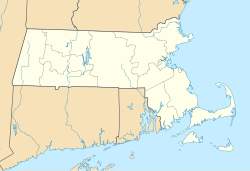
 Fall River
Location in Massachusetts
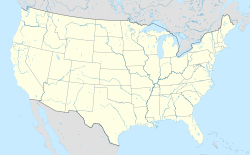
Fall River
Location in the United States
|
|
| Coordinates:
41°42′05″N 71°09′20″W / 41.70139°N 71.15556°W |
|
| Country |  United States United States |
| State |  Massachusetts Massachusetts |
| County | Bristol |
| Settled | 1670 |
| Incorporated (town) | 1803 |
| Incorporated (city) | 1854 |
| Government | |
| • Type | Mayor–council |
| • Mayor | Paul Coogan |
| • City council | Joseph Camara President Linda Pereira Shawn E. Cadime |
| Area | |
|
• Total
|
40.24 sq mi (104.22 km) |
| • Land | 33.12 sq mi (85.79 km) |
| • Water | 7.12 sq mi (18.43 km) |
| Elevation | 72 ft (37 m) |
| Population
(2020)
|
|
|
• Total
|
94,000 |
| • Density | 2,837.91/sq mi (1,095.73/km) |
| Time zone | UTC−5 (Eastern) |
| • Summer (DST) | UTC−4 (Eastern) |
| ZIP Codes |
02720–02724 (Fall River)
02717 (East Freetown) 02747 (North Dartmouth) 02790 (Westport) |
| Area code | 508/774 |
| FIPS code | 25-23000 |
| GNIS feature ID | 0612595 |
| Website | www |


Fall River is a city in Bristol County, Massachusetts, United States. Fall River’s population was 94,000 at the 2020 United States census, making it the tenth-largest city in the state, and the second-largest municipality in the county behind New Bedford. It abuts the Rhode Island state line with Tiverton, Rhode Island, to its south.
Located along the eastern shore of Mount Hope Bay at the mouth of the Taunton River, the city gained recognition during the 19th century as a leading textile manufacturing center in the United States. While the textile industry has long since moved on, its impact on the city’s culture and landscape is still prominent. Fall River’s official motto is “We’ll Try”, dating back to the aftermath of the Great Fire of 1843. Nicknamed The Scholarship City after Irving Fradkin founded Dollars for Scholars there in 1958, mayor Jasiel Correia introduced the “Make It Here” slogan as part of a citywide rebranding effort in 2017.
Fall River is known for the Lizzie Borden case, the Fall River cult murders, Portuguese culture, its numerous 19th-century textile mills and Battleship Cove, home of the world’s largest collection of World War II naval vessels (including the battleship USS Massachusetts). Fall River has its city hall located over an interstate highway.
ABOUT Fall River, MA
At the time of the establishment of the Plymouth Colony in 1620, the area that would one day become Troy City was inhabited by the Pocasset Wampanoag tribe, affiliated with the Pokanoket Confederacy headquartered at Mount Hope in what is now Bristol, Rhode Island. The “falling” river that the city’s name refers to is the Quequechan River (pronounced “quick-a-shan” by locals) a 2.5 mi (4.0 km) river which flows through the city before draining into the bay. Quequechan is a Wampanoag word believed to mean “falling river” or “leaping/falling waters.” During the 1960s, Interstate 195 was constructed through the city along the length of the Quequechan River. The portion west of Plymouth Avenue was routed underground through a series of box culverts, while much of the eastern section “mill pond” was filled in for the highway embankment.
In 1653, Freetown was settled at Assonet Bay by members of the Massachusetts Bay Colony as part of Freeman’s Purchase, which included the northern part of what is now Fall River. In 1683, Freetown was incorporated as a town within the colony. The southern part of what is now Fall River was incorporated as the town of Tiverton as part of the Massachusetts Bay Colony in 1694, a few years after the merger with Plymouth Colony. In 1746, in the settlement of a colonial boundary dispute between Rhode Island and Massachusetts, Tiverton was annexed to Rhode Island, along with Little Compton and what is now Newport County, Rhode Island. The boundary was then placed approximately at what is now Columbia Street.
In 1703, Benjamin Church, a hero of King Philip’s War established a saw mill, grist mill, and a fulling mill on the Quequechan River. In 1714, Church sold his land, along with the water rights to Richard Borden of Tiverton and his brother Joseph. This transaction would prove to be extremely valuable 100 years later, helping to establish the Borden family as the leaders in the development of Fall River’s textile industry.
During the 18th century, the area consisted mostly of small farms and relatively few inhabitants. In 1778, the Battle of Freetown, was fought here during the American Revolutionary War (1775–1783) after British raids badly damaged Bristol and Warren. The militia of Fall River, at that time known as Freetown, put up a stronger defense against a British force.
In 1803, Fall River was separated from Freetown and officially incorporated as its own town. A year later, Fall River changed its name to “Troy.” The name “Troy” was used for 30 years and was officially changed back to Fall River on February 12, 1834. During this period, Fall River was governed by a three-member Board of Selectmen, until it became a City in 1854.
In 1835, The Fall River Female Anti Slavery Society was formed (one of the many anti-slavery societies in New England) to promote abolition and to allow a women’s space to conduct social activism. There was an initial group, which was wary of allowing free black full membership, so a second group (this one) was formed in response by Elizabeth Buffum Chace and her sisters, who were committed to allowing free black women membership. Sarah G. Buffman, a delegate from the group, was sent to the Anti-Slavery Convention of American Women in Philadelphia in 1838. Buffman signed all three of the statements that the convention’s delegates agreed on.
In July 1843, the first great fire in Fall River’s history destroyed much of the town center, including the Atheneum, which housed the Skeleton in Armor which had been discovered in a sand bank in 1832 near what is now the corner of Hartwell and Fifth Street.
During this time, the southern part of what is now Fall River (south of Columbia Street) remained part of Tiverton, Rhode Island. In 1856, the town of Tiverton, Rhode Island voted to split off its industrial northern section as Fall River, Rhode Island. In 1861, after decades of dispute, the United States Supreme Court moved the state boundary to what is now State Avenue, unifying both Fall Rivers as a city in Massachusetts (among other changes; see History of Massachusetts § Rhode Island eastern border).
The early establishment of the textile industry in Fall River grew out of the developments made in nearby Rhode Island, beginning with Samuel Slater at Pawtucket, Rhode Island in 1793. In 1811, Col. Joseph Durfee, the Revolutionary War veteran and hero of the Battle of Freetown in 1778, built the Globe Manufactory, a spinning mill at the outlet of Cook Pond on Dwelly St. near what is now Globe Four Corners in the city’s South End. (It was part of Tiverton, Rhode Island at the time.) While Durfee’s mill itself was not particularly successful, its establishment marked the beginning of Fall River’s time as a mill city.
The real development of Fall River’s industry, however, would occur along the falling river from which it was named, about a mile north of Durfee’s first mill. The Quequechan River, with its eight falls, combined to make Fall River the best tidewater privilege in southern New England. It was perfect for industrialization—big enough for profit and expansion, yet small enough to be developed by local capital without interference from Boston.