Swimming Pool Company Harvard MA
Gunite Swimming Pool Company Harvard, MA:
Inground Pool Contractors & Spa Experts
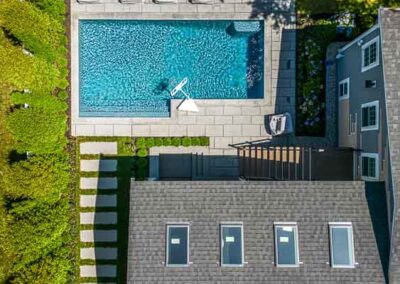
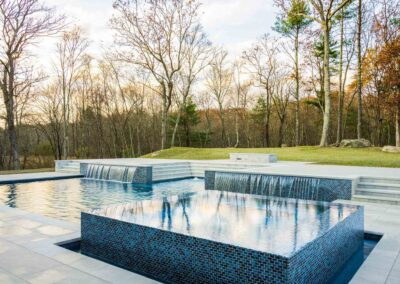
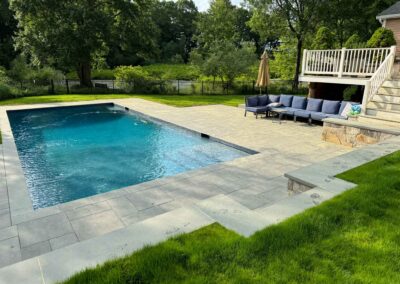
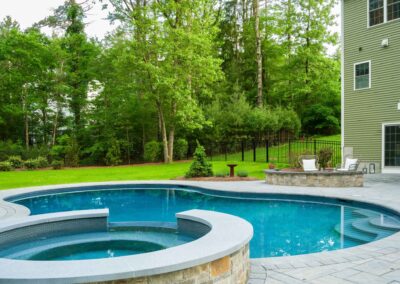
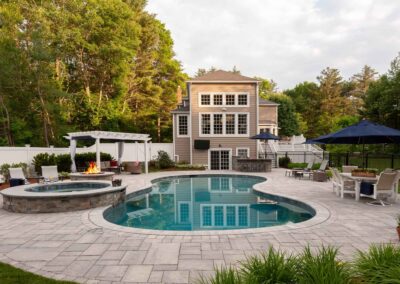
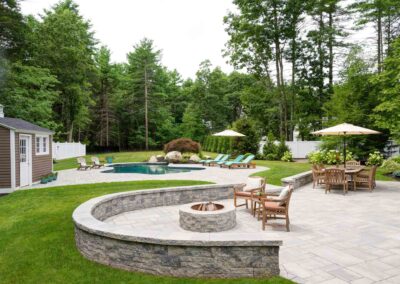
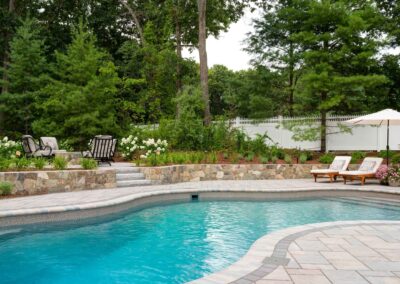
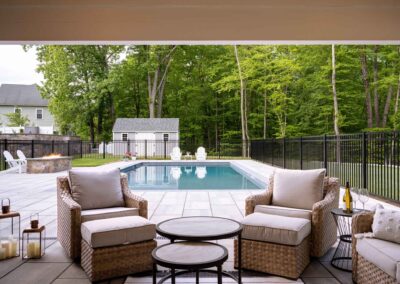
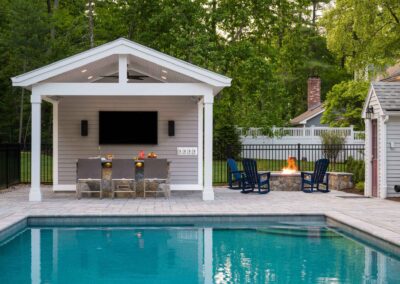
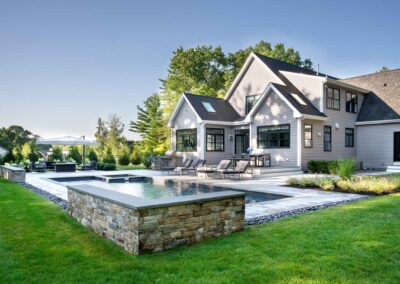
Welcome to the premier destination for all your swimming pool needs in Harvard, MA. Whether you’re dreaming of a luxurious inground pool or a serene spa retreat, our team of expert pool builders is here to transform your backyard into a personal oasis. With a commitment to quality and customer satisfaction, our swimming pool company Harvard take pride in providing exceptional
What to Look for in a Gunite Pool Contractor Harvard, MA?
When choosing a gunite pool contractor in Harvard, MA, it’s essential to look beyond just pricing. The right contractor will offer not only expert craftsmanship and premium materials but also a streamlined, start-to-finish experience—from custom design to flawless installation and ongoing maintenance. Look for a team that listens to your vision, respects your property, and delivers results that elevate your outdoor space. Experience, transparency, and a portfolio of stunning, completed projects are the hallmarks of a contractor you can trust with your investment.
How to Choose the Right Swimming Pool Company?
Choosing the right swimming pool contractor is crucial for ensuring a seamless pool construction experience. Look for a Swimming Pool Company with a proven track record in inground swimming pool projects, and prioritize those that offer comprehensive services from design to installation. A good contractor will guide you through the pool design process, helping you select the best materials and features for your new pool. Ensure they have the necessary licenses and insurance to protect your investment.
What Makes a Good Inground Pool Contractor?
An exceptional inground pool contractor combines technical expertise with creative vision. They should be adept at working with various materials, including gunite and vinyl liners, and have experience with custom pool designs. The ability to integrate additional features like spas and hot tubs seamlessly into your pool setup is a hallmark of a skilled contractor. Their commitment to using high-quality pool supplies and chemicals ensures the longevity and safety of your swimming pool.
Why is Experience Important in Pool Construction?
Experience in pool construction is invaluable. Seasoned contractors understand the nuances of pool installation and can anticipate potential challenges, ensuring a smooth and efficient build process. Their expertise in inground gunite and vinyl pool construction allows them to deliver a durable and aesthetically pleasing result. Experienced contractors also offer valuable insights into maintenance practices, helping pool owners enjoy their investment for years to come.
Luxury Pools By MF, a top-rated gunite pool builder specializes in:
-
-
- Custom Gunite Pool Design
- Custom Landscape Design
- Gunite Pool Installation
- Gunite Pool Renovation
- Pool Openings and Closings
- 3D Design Renderings
- Custom Spas
- Outdoor Kitchen / BBQ Installation
- Water Feature Design
- Unique Fire Pits
- Sunken Living Rooms
- Pool Houses and Outdoor Structures
- Amongst many other high-end services
-
The team has helped many Harvard homeowners, business owners, builders, property managers, and other individuals in the Greater Boston, MA area. After some research, we’re confident you’ll find us to be the right Gunite Pool Builder to handle your outdoor project.
What Makes Us Different?
SUPERIOR CONSTRUCTION
Gunite swimming pools are built to last the tests of time..
Quality Craftsmanship
30+ years of gunite pool installation experience
Expert Project Managers
One-stop shop for all your gunite pool needs and services.
White-Glove Service
Top quality service to take care of all your pool needs.
How Does Gunite Pool Installation Work?
Gunite pool installation in Harvard, MA is a multi-phase process that blends precision engineering with custom design. It begins with an in-depth consultation and site evaluation, followed by excavation and the creation of a steel-rebar framework that defines the shape of your pool. Once the structure is in place, gunite—a mixture of cement and sand—is sprayed at high velocity to form a solid, durable shell. After curing, your pool is finished with tiles, coping, and plaster, then filled and fine-tuned with the right equipment and water features. A reputable contractor will guide you through each step, ensuring your pool is built to last and tailored to your lifestyle.
What are the Steps in Inground Pool Installation?
The pool installation process begins with a thorough site assessment and design consultation. Once the design is finalized, excavation and groundwork prepare the space for the pool structure. Gunite or vinyl liner installation follows, creating the pool’s form. Finally, plumbing, electrical work, and finishing touches like decking and landscaping complete the project. Each step is meticulously planned to ensure quality and precision.
How Long Does It Take to Install a Swimming Pool?
The timeline for installing a swimming pool varies based on design complexity and site conditions. Generally, a standard inground pool project can take several weeks to a few months from start to finish. Factors such as weather, permitting, and customization options can influence the schedule. A reliable pool construction company will provide a detailed timeline and keep you informed throughout the process.
What Materials are Used in Gunite Pool Construction?
Gunite pools are renowned for their durability and versatility. The construction involves spraying a concrete mixture onto a reinforced steel framework, creating a robust and customizable structure. This method allows for flexible pool shapes and sizes, accommodating any backyard landscape. The use of high-quality materials ensures a long-lasting pool that can withstand the elements and provide endless enjoyment.
Talk to an Expert
We understand that sometimes you just want to talk before scheduling a consultation. Our team will gladly answer any of your questions or help you with any of your concerns.
Call Mike or Kristine today!
(508) 504-7665
Why Opt for a Gunite Pool in Your Harvard Backyard?
Choosing a gunite pool for your backyard in Harvard, MA means investing in durability, design flexibility, and timeless beauty. Unlike fiberglass or vinyl options, gunite pools are built to last for decades and can be fully customized to match your outdoor vision—whether you’re dreaming of a sleek modern retreat or a resort-style oasis. With endless options for shape, depth, and finishes, gunite allows for features like spas, waterfalls, tanning ledges, and intricate tile work. It’s the gold standard for homeowners who want more than just a pool—they want a showpiece.
What are the Benefits of Adding a Spa?
Adding a spa to your gunite pool enhances relaxation and wellness benefits. A spa provides a therapeutic experience, offering hydrotherapy features that alleviate stress and promote well-being. The integration of a spa with your pool creates a versatile space for entertainment and leisure, transforming your backyard into a luxurious retreat. The combination of a pool and spa increases property value and appeal.
CTA: Enhance Your Pool with a Spa
How to Integrate a Spa with Your Inground Pool?
Integrating a spa with your inground pool involves strategic design and expert installation. The spa can be seamlessly connected to the pool, allowing for shared heating and filtration systems. This integration not only optimizes space but also creates a cohesive aesthetic. A custom pool builder will work with you to design a layout that complements your landscape while meeting your functional needs.
CTA: Design Your Pool and Spa Combo
What Options are Available For My New Gunite Pool?
When it comes to designing your new gunite pool, the options are nearly limitless. From custom shapes and depths to premium finishes like quartz, pebble, or tile, gunite offers unmatched flexibility to bring your vision to life. You can add built-in spas, tanning ledges, beach entries, and dramatic water features like waterfalls or deck jets. Enhance your outdoor space further with integrated lighting, smart automation, and luxury additions like fire bowls, poolside kitchens, or swim-up bars. Whether you want a sleek modern look or a resort-style retreat, gunite pools are fully customizable to suit your style, space, and lifestyle.
How Often Should Pool Maintenance Be Done?
Regular pool maintenance is essential for preserving water quality and ensuring the longevity of your pool. Professional
CTA: Schedule Pool Maintenance Services
What to Expect from Professional Pool Service ?
Professional
CTA: Book Your Professional
How Does Luxury Pools By MF Design Custom Pools?
At Luxury Pools By MF, every custom pool begins with a personalized onsite visit or design consultation where we listen to your vision, assess your space, and explore the possibilities. From there, our design team creates a detailed plan tailored to your lifestyle, incorporating elements like pool shape, elevation, decking, landscaping, and optional features such as spas, water features, or integrated lighting. Once your design is finalized, our expert crew moves seamlessly into the gunite pool installation phase, using high-quality materials and precision craftsmanship to bring your dream pool to life. The result? A stunning, one-of-a-kind backyard retreat built for beauty, functionality, and lasting value.
What are the Latest Trends in Pool Design?
Luxury pools by MF Design embrace the latest trends in pool design, offering innovative features and materials that elevate your outdoor space. From infinity edges and natural stone finishes to energy-efficient systems and smart technology integration, our custom pools reflect modern aesthetics and functionality. Stay ahead of design trends with a pool that combines beauty and practicality, tailored to your lifestyle.
CTA: Discover Cutting-Edge Pool Designs
How to Incorporate a Custom Pool into Your Landscape?
Incorporating a custom pool into your landscape requires a harmonious blend of design elements and natural surroundings. Our team collaborates with you to create a pool that complements your home’s architecture and enhances your outdoor environment. Whether you desire a serene retreat or an entertainment hub, our custom designs ensure your pool is an integral part of your landscape, providing both visual appeal and functional enjoyment.
Ready to Begin?
Start your journey to a luxury pool or a redefined outdoor space by scheduling a free consultation with our team.




Harvard MAP
Harvard OVERVIEW
|
Harvard, Massachusetts
|
|
|---|---|
|
Town
|
|
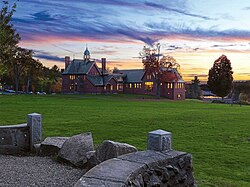
The renovated library, established in 1856
|
|

Flag

Seal
|
|

Location in Worcester County and the state of Massachusetts.
|
|
| Coordinates:
42°30′00″N 71°35′00″W / 42.50000°N 71.58333°W |
|
| Country | United States |
| State | Massachusetts |
| County | Worcester |
| Settled | 1658 |
| Incorporated | 1732 |
| Government | |
| • Type | Open town meeting |
| • Town Administrator | Timothy P. Bragan |
| • Select Board |
|
| Area | |
|
• Total
|
27.0 sq mi (69.9 km) |
| • Land | 26.4 sq mi (68.3 km) |
| • Water | 0.6 sq mi (1.6 km) |
| Elevation | 420 ft (128 m) |
| Population
(2020)
|
|
|
• Total
|
6,851 |
| • Density | 250/sq mi (98/km) |
| Time zone | UTC-5 (Eastern) |
| • Summer (DST) | UTC-4 (Eastern) |
| ZIP Codes |
|
| Area code | 351 / 978 |
| FIPS code | 25-28950 |
| GNIS feature ID | 0619482 |
| Website | www |
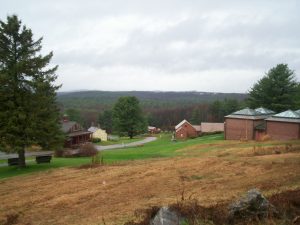
Harvard is a town in Worcester County, Massachusetts, United States. The town is located 25 miles west-northwest of Boston, in eastern Massachusetts. It is mostly bounded by I-495 to the east and Route 2 to the north. A farming community settled in 1658 and incorporated in 1732, it has been home to several non-traditional communities, such as Harvard Shaker Village and the utopian transcendentalist center Fruitlands. It is also home to St. Benedict Abbey, a traditionalist Catholic monastery, and for over seventy years was home to Harvard University’s Oak Ridge Observatory, at one time the most extensively equipped observatory in the Eastern United States. It is now a rural and residential town noted for its public schools. The population was 6,851 at the 2020 census.
ABOUT Harvard, MA
Europeans first settled in what later became Harvard in the 17th century, along a road connecting Lancaster with Groton that was formally laid out in 1658. They settled on land purchased from Nashaway sachems Sholan and his nephew George Tahanto. There were few inhabitants until after King Philip’s War, in which Groton and Lancaster were attacked and substantially destroyed. Over the next 50 years the population grew until it had reached a point adequate to support a church. A new town including parts of Lancaster, Groton, and Stow was incorporated in 1732, subject to the proviso that the inhabitants “Settle a learned and Orthodox Minister among them within the space of two years and also erect an House for the publick Worship of God.” It is uncertain how the town obtained its name, though the Willard family, among the first settlers and the largest proprietors in the new town, had several connections to Harvard College. According to The Harvard Crimson, Josiah Willard named the town after Harvard College, which he had attended, because the articles of incorporation had left the town unnamed. The first minister was Rev. John Seccombe, serving from 1733 to 1757.
In 1734, the town was considered to have five districts or villages. These were Oak Hill, Bare Hill, Still River, Old Mill, and Shabikin, present day Devens.
One notable early enterprise based in Harvard was the Benjamin Ball Pencil Company, which produced some of the first writing instruments made in the United States. They operated in the Old Mill district from 1830 to 1860. Despite this and other limited manufacturing, the town economy was primarily based on agriculture until the middle of the 20th century. This past is most prominently visible in the number of apple orchards. These apple orchards produce many apple products every year the most notable being apple cider. It is now mostly a residential “bedroom community” for workers at companies in Boston and its suburbs. Harvard has had a relatively quiet history, but has attracted several “non-traditional” communities that have given its history some flavor.
One part of town is the site of Harvard Shaker Village, where a utopian religious community was established. During a period of religious dissent, a number of Harvard residents, led by Shadrack Ireland, abandoned the Protestant church in Harvard. In 1769, they built a house that later became known as the Square House. Not long after Ireland’s death in 1778, the Shaker Founder Mother Ann Lee met with this group in 1781 and the group joined her United Society of Believers in Christ’s Second Appearing, or Shakers.
It was the first Shaker settlement in Massachusetts and the second settlement in the United States. The Harvard Shaker Village Historic District is located in the vicinity of Shaker Road, South Shaker Road, and Maple Lane. At its largest, the Shakers owned about 2,000 acres of land in Harvard. By 1890, the Harvard community had dwindled to less than 40, from a peak of about 200 in the 1850s. In 1917 the Harvard Shaker Village was closed and sold. Only one Shaker building is open to the public, at Fruitlands Museum; the remaining surviving buildings are in private ownership.
Nationally, 19 Shaker communities had been established in the 1700s and 1800s, mostly in northeastern United States. Community locations ranged from Maine to Kentucky and Indiana. The Shakers were renowned for plain architecture and furniture, and reached its national peak membership in the 1840s and 1850s. The Shaker community’s practice of celibacy meant that to maintain its population, it was always necessary to have new outsiders join. The improving employment opportunities provided by the Industrial Revolution would over the middle decades of the 1800s diminish the attractions of joining the Shaker community. Today, only one church “society” remains open, run by the last Shakers at Sabbathday Lake Shaker Village in New Gloucester, Maine.
Amos Bronson Alcott relocated his family, including his ten-year-old daughter, Louisa May Alcott, to Harvard in June 1843. He and Charles Lane attempted to establish a utopian transcendentalist socialist farm called Fruitlands on the slopes of Prospect Hill in Harvard. The experimental community only lasted 7 months, closing in January 1844. Fruitlands, so called “because the inhabitants hoped to live off the fruits of the land, purchasing nothing from the outside world”, saw visits from the likes of Henry David Thoreau and Ralph Waldo Emerson. Louisa May Alcott used her experience at Fruitlands as an inspiration for her novel Little Women.
Clara Endicott Sears, whose Prospect Hill summer estate, The Pergolas, restored Fruitlands and opened it as a museum in 1914. On the grounds of Fruitlands Museum there is also a Shaker house, which was relocated there from Harvard’s Shaker Village by Sears in 1920. It is the first Shaker museum ever established in the United States. In addition, Sears opened a gallery on the property dedicated to Native American history. Sears became interested in Native Americans after Nipmuck arrowheads were found around her property on Prospect Hill, which the Nipmuck Indians had called Makamacheckamucks.
Originally, Sears’ Fruitlands property spanned 458 acres (1.85 km), but in 1939, 248 acres (1.00 km) were seized by eminent domain for expansion of Fort Devens. As of 2010, that land is now part of the Oxbow National Wildlife Refuge.
Fiske Warren, a follower of Henry George, attempted to establish a single tax zone in Harvard in 1918. The enclave bought up land (previously owned by the recently disbanded Shaker community) communally and attempted to manage the land according to George’s principles. The enclave disbanded shortly after Warren died in 1938. His house was added to the National Register of Historic Places in 1996.