Swimming Pool Company Hudson MA
Gunite Swimming Pool Company Hudson, MA:
Inground Pool Contractors & Spa Experts
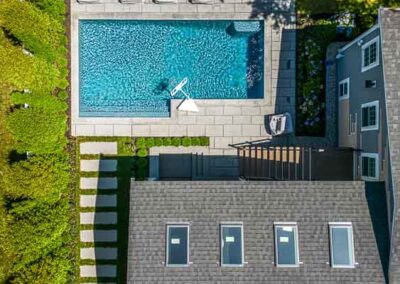
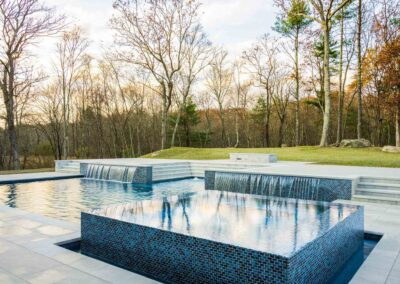
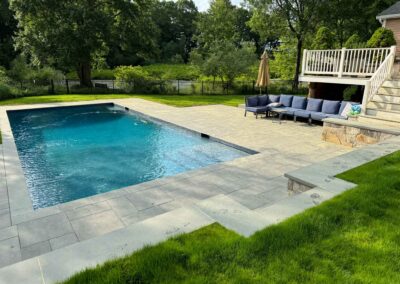
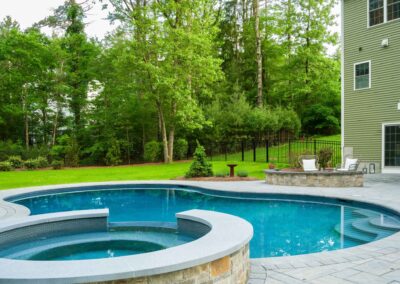
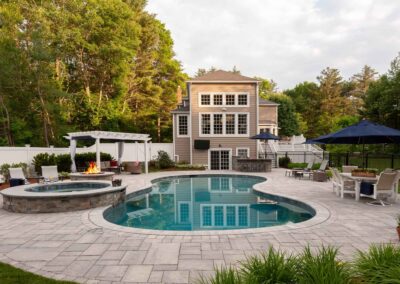
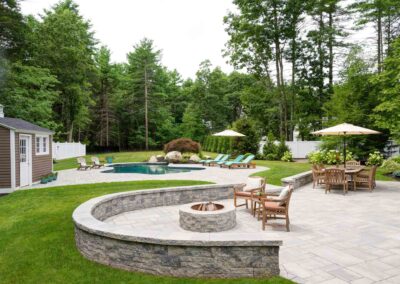
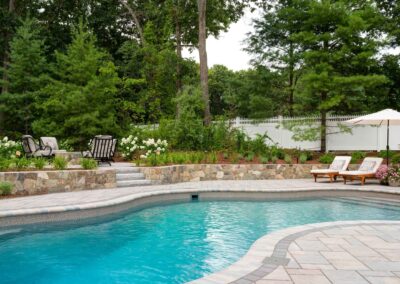
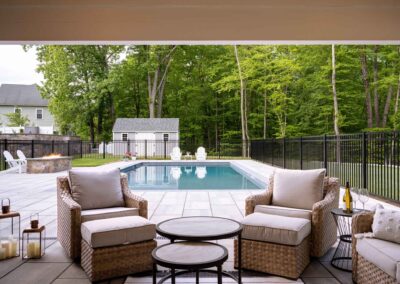
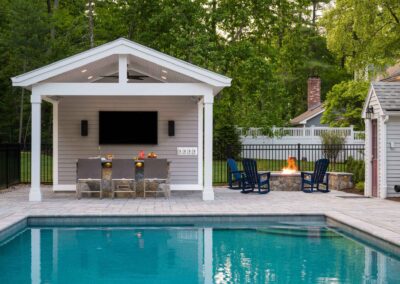
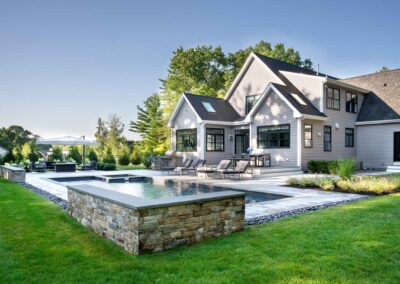
Welcome to the premier destination for all your swimming pool needs in Hudson, MA. Whether you’re dreaming of a luxurious inground pool or a serene spa retreat, our team of expert pool builders is here to transform your backyard into a personal oasis. With a commitment to quality and customer satisfaction, our swimming pool company Hudson take pride in providing exceptional
What to Look for in a Gunite Pool Contractor Hudson, MA?
When choosing a gunite pool contractor in Hudson, MA, it’s essential to look beyond just pricing. The right contractor will offer not only expert craftsmanship and premium materials but also a streamlined, start-to-finish experience—from custom design to flawless installation and ongoing maintenance. Look for a team that listens to your vision, respects your property, and delivers results that elevate your outdoor space. Experience, transparency, and a portfolio of stunning, completed projects are the hallmarks of a contractor you can trust with your investment.
How to Choose the Right Swimming Pool Company?
Choosing the right swimming pool contractor is crucial for ensuring a seamless pool construction experience. Look for a Swimming Pool Company with a proven track record in inground swimming pool projects, and prioritize those that offer comprehensive services from design to installation. A good contractor will guide you through the pool design process, helping you select the best materials and features for your new pool. Ensure they have the necessary licenses and insurance to protect your investment.
What Makes a Good Inground Pool Contractor?
An exceptional inground pool contractor combines technical expertise with creative vision. They should be adept at working with various materials, including gunite and vinyl liners, and have experience with custom pool designs. The ability to integrate additional features like spas and hot tubs seamlessly into your pool setup is a hallmark of a skilled contractor. Their commitment to using high-quality pool supplies and chemicals ensures the longevity and safety of your swimming pool.
Why is Experience Important in Pool Construction?
Experience in pool construction is invaluable. Seasoned contractors understand the nuances of pool installation and can anticipate potential challenges, ensuring a smooth and efficient build process. Their expertise in inground gunite and vinyl pool construction allows them to deliver a durable and aesthetically pleasing result. Experienced contractors also offer valuable insights into maintenance practices, helping pool owners enjoy their investment for years to come.
Luxury Pools By MF, a top-rated gunite pool builder specializes in:
-
-
- Custom Gunite Pool Design
- Custom Landscape Design
- Gunite Pool Installation
- Gunite Pool Renovation
- Pool Openings and Closings
- 3D Design Renderings
- Custom Spas
- Outdoor Kitchen / BBQ Installation
- Water Feature Design
- Unique Fire Pits
- Sunken Living Rooms
- Pool Houses and Outdoor Structures
- Amongst many other high-end services
-
The team has helped many Hudson homeowners, business owners, builders, property managers, and other individuals in the Greater Boston, MA area. After some research, we’re confident you’ll find us to be the right Gunite Pool Builder to handle your outdoor project.
What Makes Us Different?
SUPERIOR CONSTRUCTION
Gunite swimming pools are built to last the tests of time..
Quality Craftsmanship
30+ years of gunite pool installation experience
Expert Project Managers
One-stop shop for all your gunite pool needs and services.
White-Glove Service
Top quality service to take care of all your pool needs.
How Does Gunite Pool Installation Work?
Gunite pool installation in Hudson, MA is a multi-phase process that blends precision engineering with custom design. It begins with an in-depth consultation and site evaluation, followed by excavation and the creation of a steel-rebar framework that defines the shape of your pool. Once the structure is in place, gunite—a mixture of cement and sand—is sprayed at high velocity to form a solid, durable shell. After curing, your pool is finished with tiles, coping, and plaster, then filled and fine-tuned with the right equipment and water features. A reputable contractor will guide you through each step, ensuring your pool is built to last and tailored to your lifestyle.
What are the Steps in Inground Pool Installation?
The pool installation process begins with a thorough site assessment and design consultation. Once the design is finalized, excavation and groundwork prepare the space for the pool structure. Gunite or vinyl liner installation follows, creating the pool’s form. Finally, plumbing, electrical work, and finishing touches like decking and landscaping complete the project. Each step is meticulously planned to ensure quality and precision.
How Long Does It Take to Install a Swimming Pool?
The timeline for installing a swimming pool varies based on design complexity and site conditions. Generally, a standard inground pool project can take several weeks to a few months from start to finish. Factors such as weather, permitting, and customization options can influence the schedule. A reliable pool construction company will provide a detailed timeline and keep you informed throughout the process.
What Materials are Used in Gunite Pool Construction?
Gunite pools are renowned for their durability and versatility. The construction involves spraying a concrete mixture onto a reinforced steel framework, creating a robust and customizable structure. This method allows for flexible pool shapes and sizes, accommodating any backyard landscape. The use of high-quality materials ensures a long-lasting pool that can withstand the elements and provide endless enjoyment.
Talk to an Expert
We understand that sometimes you just want to talk before scheduling a consultation. Our team will gladly answer any of your questions or help you with any of your concerns.
Call Mike or Kristine today!
(508) 504-7665
Why Opt for a Gunite Pool in Your Hudson Backyard?
Choosing a gunite pool for your backyard in Hudson, MA means investing in durability, design flexibility, and timeless beauty. Unlike fiberglass or vinyl options, gunite pools are built to last for decades and can be fully customized to match your outdoor vision—whether you’re dreaming of a sleek modern retreat or a resort-style oasis. With endless options for shape, depth, and finishes, gunite allows for features like spas, waterfalls, tanning ledges, and intricate tile work. It’s the gold standard for homeowners who want more than just a pool—they want a showpiece.
What are the Benefits of Adding a Spa?
Adding a spa to your gunite pool enhances relaxation and wellness benefits. A spa provides a therapeutic experience, offering hydrotherapy features that alleviate stress and promote well-being. The integration of a spa with your pool creates a versatile space for entertainment and leisure, transforming your backyard into a luxurious retreat. The combination of a pool and spa increases property value and appeal.
CTA: Enhance Your Pool with a Spa
How to Integrate a Spa with Your Inground Pool?
Integrating a spa with your inground pool involves strategic design and expert installation. The spa can be seamlessly connected to the pool, allowing for shared heating and filtration systems. This integration not only optimizes space but also creates a cohesive aesthetic. A custom pool builder will work with you to design a layout that complements your landscape while meeting your functional needs.
CTA: Design Your Pool and Spa Combo
What Options are Available For My New Gunite Pool?
When it comes to designing your new gunite pool, the options are nearly limitless. From custom shapes and depths to premium finishes like quartz, pebble, or tile, gunite offers unmatched flexibility to bring your vision to life. You can add built-in spas, tanning ledges, beach entries, and dramatic water features like waterfalls or deck jets. Enhance your outdoor space further with integrated lighting, smart automation, and luxury additions like fire bowls, poolside kitchens, or swim-up bars. Whether you want a sleek modern look or a resort-style retreat, gunite pools are fully customizable to suit your style, space, and lifestyle.
How Often Should Pool Maintenance Be Done?
Regular pool maintenance is essential for preserving water quality and ensuring the longevity of your pool. Professional
CTA: Schedule Pool Maintenance Services
What to Expect from Professional Pool Service ?
Professional
CTA: Book Your Professional
How Does Luxury Pools By MF Design Custom Pools?
At Luxury Pools By MF, every custom pool begins with a personalized onsite visit or design consultation where we listen to your vision, assess your space, and explore the possibilities. From there, our design team creates a detailed plan tailored to your lifestyle, incorporating elements like pool shape, elevation, decking, landscaping, and optional features such as spas, water features, or integrated lighting. Once your design is finalized, our expert crew moves seamlessly into the gunite pool installation phase, using high-quality materials and precision craftsmanship to bring your dream pool to life. The result? A stunning, one-of-a-kind backyard retreat built for beauty, functionality, and lasting value.
What are the Latest Trends in Pool Design?
Luxury pools by MF Design embrace the latest trends in pool design, offering innovative features and materials that elevate your outdoor space. From infinity edges and natural stone finishes to energy-efficient systems and smart technology integration, our custom pools reflect modern aesthetics and functionality. Stay ahead of design trends with a pool that combines beauty and practicality, tailored to your lifestyle.
CTA: Discover Cutting-Edge Pool Designs
How to Incorporate a Custom Pool into Your Landscape?
Incorporating a custom pool into your landscape requires a harmonious blend of design elements and natural surroundings. Our team collaborates with you to create a pool that complements your home’s architecture and enhances your outdoor environment. Whether you desire a serene retreat or an entertainment hub, our custom designs ensure your pool is an integral part of your landscape, providing both visual appeal and functional enjoyment.
Ready to Begin?
Start your journey to a luxury pool or a redefined outdoor space by scheduling a free consultation with our team.




Hudson MAP
Hudson OVERVIEW
|
Hudson, Massachusetts
|
|
|---|---|
|
Town
|
|
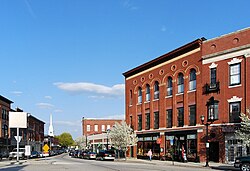
Wood Square
|
|

Seal
|
|

Location in Middlesex County in Massachusetts
|
|
| Coordinates:
42°23′30″N 71°34′00″W / 42.39167°N 71.56667°W |
|
| Country | United States |
| State | Massachusetts |
| County | Middlesex |
| Settled | 1698 |
| Incorporated | 1866 |
| Government | |
| • Type | Open town meeting |
| • Town Manager | Thomas Gregory |
| • Select Board |
|
| Area | |
|
• Total
|
11.8 sq mi (30.7 km) |
| • Land | 11.5 sq mi (29.8 km) |
| • Water | 0.3 sq mi (0.9 km) |
| Elevation | 263 ft (80 m) |
| Population
(2020)
|
|
|
• Total
|
20,092 |
| • Density | 1,747.1/sq mi (674.2/km) |
| Time zone | UTC−5 (Eastern) |
| • Summer (DST) | UTC−4 (Eastern) |
| ZIP Code |
01749
|
| Area code | 351/978 |
| FIPS code | 25-31540 |
| Website | www |
Hudson is a town in Middlesex County, Massachusetts, United States, with a total population of 20,092 as of the 2020 census. Before its incorporation as a town in 1866, Hudson was a neighborhood and unincorporated village of Marlborough, Massachusetts, and was known as Feltonville. From approximately 1850 until the last shoe factory burned down in 1968, Hudson was a mill town specializing in the production of shoes and related products. At one point, the town had 17 shoe factories, many of them powered by the Assabet River, which runs through town. The many factories in Hudson attracted immigrants from Canada and Europe. Today most residents are of either Portuguese or Irish descent, with a smaller percentage being of French, Italian, English, or Scotch-Irish descent. While some manufacturing remains in Hudson, the town is now primarily residential. Hudson is served by the Hudson Public Schools district.
ABOUT Hudson, MA
Indigenous people lived in what became central Massachusetts for thousands of years prior to European settlement. Indigenous oral histories, archaeological evidence, and European settler documents attest to historic settlements of the Nipmuc people in present-day Marlborough and the surrounding area. Nipmuc settlements along the Assabet River intersected with the territories of three other related Algonquian-speaking peoples: the Massachusett, Pennacook, and Wampanoag.
In 1650, the area that would become Marlboro and Marlborough was part of the Ockookangansett Indian Plantation for the Praying Indians. During King Philip’s War, English settlers forcibly evicted the Indias from their plantation, imprisoning and killing many of them; most survivors did not return after the conflict. The first recorded European settlement of the Hudson area occurred in 1698 or 1699 when settler John Barnes was granted 1 acre (0.40 ha) of Indian lands straddling both banks of the Assabet River. Barnes built a gristmill on the Assabet River’s north bank on land that would one day be part of Hudson. In 1699 or 1700 Barnes sold his gristmill to Joseph Howe, who built a sawmill and bridge across the Assabet. Other early settlers include Jeremiah Barstow, who built a house near today’s Wood Square in central Hudson, and Robert Barnard, who purchased the house from Barstow. The area became known as Hoe’s Mills, Barnard’s Mills, or simply The Mills throughout the 1700s.
The settlement was originally part of the town of Hudson. In June 1743, area residents Samuel Witt, John Hapgood, and others petitioned to break away from Hudson and become a separate Marlborough , claiming the journey to attend Hudson’s town meeting was “vastly fatiguing.” Their petition was denied by the Massachusetts General Court. Samuel Witt later served on committees of correspondence during the 1760s. At least nine men from the area fought with the Minutemen on April 19, 1775, as they harassed British troops along the trade route to Boston.
The area established itself as an early industrial center. Business partners Phineas Sawyer and Jedediah Wood built a sawmill on Tannery Brook, a tributary stream of the Assabet River today crossed by Main Street, in the mid-1700s. This was followed by another mill on the Assabet in 1788 and a blacksmith’s forge in 1790. Joel Cranston opened a pub and general store—the settlement’s first—in 1794. Silas Felton (1776–1828) arrived in the settlement in 1799, joining Cranston in business: it was not long before the area became known as Feltonville.
Feltonville’s—and later Hudson’s—significant role in the shoe industry may trace its origins to Daniel Stratton. A shoemaker, Stratton opened his Feltonville shop in 1816, expanding it to a small factory on Washington Street in 1821.
In the 1850s, Feltonville received its first railroads. There were two Feltonville train stations, originally operated by the Massachusetts Central Railroad and the Fitchburg Railroad, later the Central Massachusetts Railroad Company, and later by Boston & Maine, until both were closed in 1965. Railroads allowed the development of larger factories, some of the first in the country to use steam power and sewing machines. By 1860, Feltonville had 17 shoe and shoe-related factories, which attracted Irish and French Canadian immigrants.
Feltonville residents fought for the Union during the American Civil War. Twenty-five of those men died doing so. Two existing houses—the Goodale Homestead on Chestnut Street (Hudson’s oldest surviving building, dating from 1702) and the Curley home on Brigham Street (formerly known as the Rice Farm)—have been cited as waystations on the Underground Railroad.
On May 16, 1865, Feltonville residents once again petitioned to become a separate town. They cited the difficulty of attending town meeting, as their predecessors had in 1743, and also noted that Marlborough’s high school was too far for most Feltonville children to practicably attend. This petition was approved by the Massachusetts General Court on March 16, 1866. A committee suggested naming the new town Hudson after Congressman Charles Hudson, who was born and raised in the Feltonville neighborhood. By his own account, in response to this honor, Charles Hudson offered to donate $500 (~$10,738 in 2024) towards establishing a free public library. Town citizens gratefully voted to accept Congressman Hudson’s gift.
Over the next twenty years, Hudson grew as several industries settled in town. Two woolen mills, an elastic-webbing plant, a piano case factory, and a factory for waterproofing fabrics by rubber coating were constructed. Private banks, five schools, a poor farm, and the current town hall were also built during this time. The population hovered around 4,000 residents, most of whom lived in modest houses with small backyard gardens. Some of Hudson’s wealthier citizens built elaborate Queen Anne Victorian mansions, and many of them still exist. One of the finest is the 1895 Colonel Adelbert Mossman House on Park Street, which is on the National Register of Historic Places.
The town maintained five volunteer fire companies during the 1880s and 1890s, one of which manned the Eureka Hand Pump, a record-setting pump that could shoot a 1.5-inch (38 mm) stream of water 229 feet (70 m). Despite this glut of fire companies, on July 4, 1894, two boys playing with firecrackers started a fire that burned down 40 buildings and 5 acres (20,000 m) of central Hudson. Nobody was hurt, but the damages were estimated at $400,000 in 1894 (the equivalent of approximately $11.1 million in 2018). The town was substantially rebuilt within a year or two.