Swimming Pool Company Lowell MA
Gunite Swimming Pool Company Lowell, MA:
Inground Pool Contractors & Spa Experts
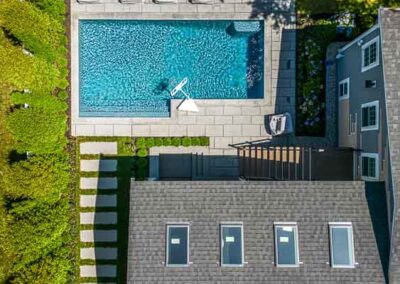
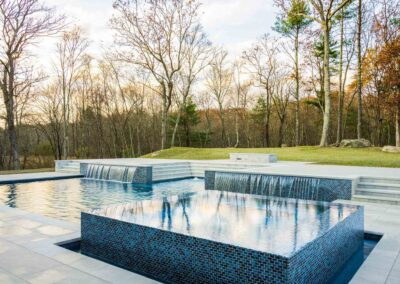
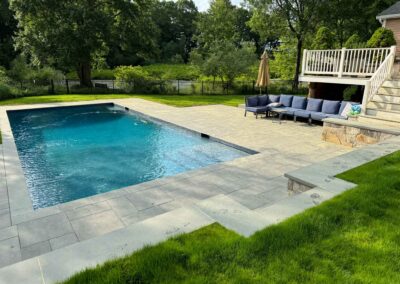
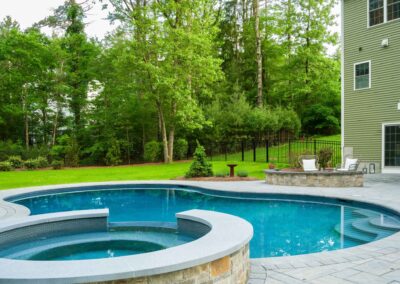
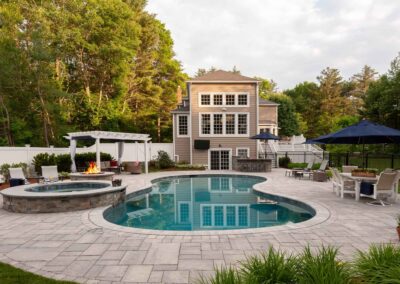
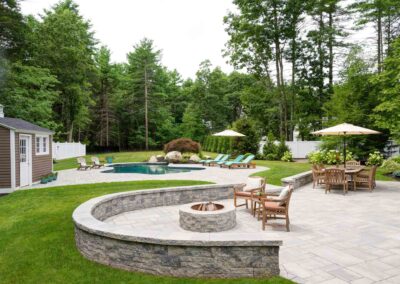
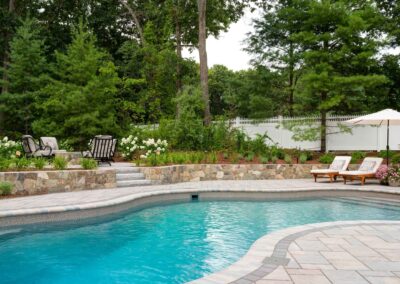
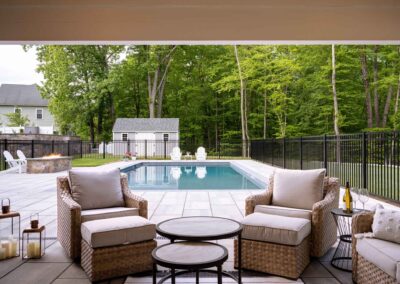
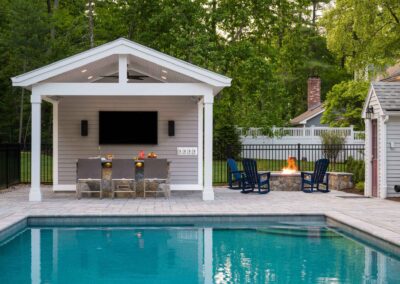
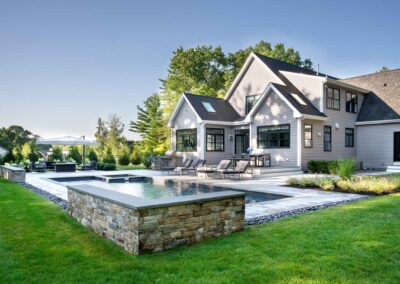
Welcome to the premier destination for all your swimming pool needs in Lowell, MA. Whether you’re dreaming of a luxurious inground pool or a serene spa retreat, our team of expert pool builders is here to transform your backyard into a personal oasis. With a commitment to quality and customer satisfaction, our swimming pool company Lowell take pride in providing exceptional
What to Look for in a Gunite Pool Contractor Lowell, MA?
When choosing a gunite pool contractor in Lowell, MA, it’s essential to look beyond just pricing. The right contractor will offer not only expert craftsmanship and premium materials but also a streamlined, start-to-finish experience—from custom design to flawless installation and ongoing maintenance. Look for a team that listens to your vision, respects your property, and delivers results that elevate your outdoor space. Experience, transparency, and a portfolio of stunning, completed projects are the hallmarks of a contractor you can trust with your investment.
How to Choose the Right Swimming Pool Company?
Choosing the right swimming pool contractor is crucial for ensuring a seamless pool construction experience. Look for a Swimming Pool Company with a proven track record in inground swimming pool projects, and prioritize those that offer comprehensive services from design to installation. A good contractor will guide you through the pool design process, helping you select the best materials and features for your new pool. Ensure they have the necessary licenses and insurance to protect your investment.
What Makes a Good Inground Pool Contractor?
An exceptional inground pool contractor combines technical expertise with creative vision. They should be adept at working with various materials, including gunite and vinyl liners, and have experience with custom pool designs. The ability to integrate additional features like spas and hot tubs seamlessly into your pool setup is a hallmark of a skilled contractor. Their commitment to using high-quality pool supplies and chemicals ensures the longevity and safety of your swimming pool.
Why is Experience Important in Pool Construction?
Experience in pool construction is invaluable. Seasoned contractors understand the nuances of pool installation and can anticipate potential challenges, ensuring a smooth and efficient build process. Their expertise in inground gunite and vinyl pool construction allows them to deliver a durable and aesthetically pleasing result. Experienced contractors also offer valuable insights into maintenance practices, helping pool owners enjoy their investment for years to come.

Luxury Pools By MF, a top-rated gunite pool builder specializes in:
-
-
- Custom Gunite Pool Design
- Custom Landscape Design
- Gunite Pool Installation
- Gunite Pool Renovation
- Pool Openings and Closings
- 3D Design Renderings
- Custom Spas
- Outdoor Kitchen / BBQ Installation
- Water Feature Design
- Unique Fire Pits
- Sunken Living Rooms
- Pool Houses and Outdoor Structures
- Amongst many other high-end services
-
The team has helped many Lowell homeowners, business owners, builders, property managers, and other individuals in the Greater Boston, MA area. After some research, we’re confident you’ll find us to be the right Gunite Pool Builder to handle your outdoor project.
What Makes Us Different?
SUPERIOR CONSTRUCTION
Gunite swimming pools are built to last the tests of time..
Quality Craftsmanship
30+ years of gunite pool installation experience
Expert Project Managers
One-stop shop for all your gunite pool needs and services.
White-Glove Service
Top quality service to take care of all your pool needs.
How Does Gunite Pool Installation Work?
Gunite pool installation in Lowell, MA is a multi-phase process that blends precision engineering with custom design. It begins with an in-depth consultation and site evaluation, followed by excavation and the creation of a steel-rebar framework that defines the shape of your pool. Once the structure is in place, gunite—a mixture of cement and sand—is sprayed at high velocity to form a solid, durable shell. After curing, your pool is finished with tiles, coping, and plaster, then filled and fine-tuned with the right equipment and water features. A reputable contractor will guide you through each step, ensuring your pool is built to last and tailored to your lifestyle.
What are the Steps in Inground Pool Installation?
The pool installation process begins with a thorough site assessment and design consultation. Once the design is finalized, excavation and groundwork prepare the space for the pool structure. Gunite or vinyl liner installation follows, creating the pool’s form. Finally, plumbing, electrical work, and finishing touches like decking and landscaping complete the project. Each step is meticulously planned to ensure quality and precision.
How Long Does It Take to Install a Swimming Pool?
The timeline for installing a swimming pool varies based on design complexity and site conditions. Generally, a standard inground pool project can take several weeks to a few months from start to finish. Factors such as weather, permitting, and customization options can influence the schedule. A reliable pool construction company will provide a detailed timeline and keep you informed throughout the process.
What Materials are Used in Gunite Pool Construction?
Gunite pools are renowned for their durability and versatility. The construction involves spraying a concrete mixture onto a reinforced steel framework, creating a robust and customizable structure. This method allows for flexible pool shapes and sizes, accommodating any backyard landscape. The use of high-quality materials ensures a long-lasting pool that can withstand the elements and provide endless enjoyment.
Talk to an Expert
We understand that sometimes you just want to talk before scheduling a consultation. Our team will gladly answer any of your questions or help you with any of your concerns.
Call Mike or Kristine today!
(508) 504-7665
Why Opt for a Gunite Pool in Your Lowell Backyard?
Choosing a gunite pool for your backyard in Lowell, MA means investing in durability, design flexibility, and timeless beauty. Unlike fiberglass or vinyl options, gunite pools are built to last for decades and can be fully customized to match your outdoor vision—whether you’re dreaming of a sleek modern retreat or a resort-style oasis. With endless options for shape, depth, and finishes, gunite allows for features like spas, waterfalls, tanning ledges, and intricate tile work. It’s the gold standard for homeowners who want more than just a pool—they want a showpiece.
What are the Benefits of Adding a Spa?
Adding a spa to your gunite pool enhances relaxation and wellness benefits. A spa provides a therapeutic experience, offering hydrotherapy features that alleviate stress and promote well-being. The integration of a spa with your pool creates a versatile space for entertainment and leisure, transforming your backyard into a luxurious retreat. The combination of a pool and spa increases property value and appeal.
CTA: Enhance Your Pool with a Spa
How to Integrate a Spa with Your Inground Pool?
Integrating a spa with your inground pool involves strategic design and expert installation. The spa can be seamlessly connected to the pool, allowing for shared heating and filtration systems. This integration not only optimizes space but also creates a cohesive aesthetic. A custom pool builder will work with you to design a layout that complements your landscape while meeting your functional needs.
CTA: Design Your Pool and Spa Combo
What Options are Available For My New Gunite Pool?
When it comes to designing your new gunite pool, the options are nearly limitless. From custom shapes and depths to premium finishes like quartz, pebble, or tile, gunite offers unmatched flexibility to bring your vision to life. You can add built-in spas, tanning ledges, beach entries, and dramatic water features like waterfalls or deck jets. Enhance your outdoor space further with integrated lighting, smart automation, and luxury additions like fire bowls, poolside kitchens, or swim-up bars. Whether you want a sleek modern look or a resort-style retreat, gunite pools are fully customizable to suit your style, space, and lifestyle.
How Often Should Pool Maintenance Be Done?
Regular pool maintenance is essential for preserving water quality and ensuring the longevity of your pool. Professional
CTA: Schedule Pool Maintenance Services
What to Expect from Professional Pool Service ?
Professional
CTA: Book Your Professional
How Does Luxury Pools By MF Design Custom Pools?
At Luxury Pools By MF, every custom pool begins with a personalized onsite visit or design consultation where we listen to your vision, assess your space, and explore the possibilities. From there, our design team creates a detailed plan tailored to your lifestyle, incorporating elements like pool shape, elevation, decking, landscaping, and optional features such as spas, water features, or integrated lighting. Once your design is finalized, our expert crew moves seamlessly into the gunite pool installation phase, using high-quality materials and precision craftsmanship to bring your dream pool to life. The result? A stunning, one-of-a-kind backyard retreat built for beauty, functionality, and lasting value.
What are the Latest Trends in Pool Design?
Luxury pools by MF Design embrace the latest trends in pool design, offering innovative features and materials that elevate your outdoor space. From infinity edges and natural stone finishes to energy-efficient systems and smart technology integration, our custom pools reflect modern aesthetics and functionality. Stay ahead of design trends with a pool that combines beauty and practicality, tailored to your lifestyle.
CTA: Discover Cutting-Edge Pool Designs
How to Incorporate a Custom Pool into Your Landscape?
Incorporating a custom pool into your landscape requires a harmonious blend of design elements and natural surroundings. Our team collaborates with you to create a pool that complements your home’s architecture and enhances your outdoor environment. Whether you desire a serene retreat or an entertainment hub, our custom designs ensure your pool is an integral part of your landscape, providing both visual appeal and functional enjoyment.
Ready to Begin?
Start your journey to a luxury pool or a redefined outdoor space by scheduling a free consultation with our team.




Lowell MAP
Lowell OVERVIEW
|
Lowell, Massachusetts
|
|
|---|---|
|
City
|
|
|
Downtown Lowell
Lowell Mills
University of Massachusetts Lowell
Lowell City Hall
St. Patrick’s Church
Lowell Memorial Auditorium
|
|

Flag

Seal
|
|
| Nickname(s):
Mill City, Spindle City, City of Lights City of Magic
|
|
| Motto:
“Art is the Handmaid of Human Good.”
|
|

Location in Middlesex County in Massachusetts
|
|
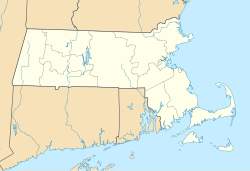
 Lowell
Location in the United States
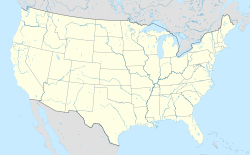
Lowell
Lowell (the United States)
|
|
| Coordinates:
42°38′22″N 71°18′53″W / 42.63944°N 71.31472°W |
|
| Country | United States |
| State | Massachusetts |
| County | Middlesex |
| Region | New England |
| Settled | 1652 |
| Incorporated | 1826 |
| A city | 1836 |
| Named after | Francis Cabot Lowell |
| Government | |
| • Type | Manager-City council |
| • Mayor | Daniel Rourke |
| • City Manager | Thomas Golden Jr. |
| Area | |
|
• Total
|
14.53 sq mi (37.63 km) |
| • Land | 13.61 sq mi (35.25 km) |
| • Water | 0.92 sq mi (2.38 km) |
| Elevation | 102 ft (31 m) |
| Population
(2020)
|
|
|
• Total
|
115,554 |
| • Density | 8,489.75/sq mi (3,278.02/km) |
| • Demonym | Lowellian |
| Time zone | UTC−5 (Eastern) |
| • Summer (DST) | UTC−4 (Eastern) |
| ZIP Codes |
01850–01854
|
| Area code | 978 / 351 |
| FIPS code | 25-37000 |
| GNIS feature ID | 0611832 |
| Website | lowellma.gov |


Lowell is a city in Massachusetts, United States. Alongside Cambridge, it is one of two traditional seats of Middlesex County. With an estimated population of 115,554 in 2020, it was the fifth most populous city in Massachusetts as of the last census, and the third most populous in the Boston metropolitan statistical area. The city is also part of a smaller Massachusetts statistical area, called Greater Lowell, and of New England’s Merrimack Valley region.
Incorporated in 1826 to serve as a mill town, Lowell was named after Francis Cabot Lowell, a local figure in the Industrial Revolution. The city became known as the cradle of the American Industrial Revolution because of its textile mills and factories. Many of Lowell’s historic manufacturing sites were later preserved by the National Park Service to create Lowell National Historical Park. During the Cambodian genocide (1975–1979), the city took in an influx of refugees, leading to a Cambodia Town and America’s second-largest Cambodian-American population.
Lowell is home to two institutions of higher education. UMass Lowell, part of the University of Massachusetts system, has three campuses in the city. Middlesex Community College’s two campuses are in Lowell and in the town of Bedford, Massachusetts. Arts facilities in the city include the Whistler House Museum of Art, the Merrimack Repertory Theatre, the Lowell Memorial Auditorium, and Sampas Pavilion. In sports, the city has a long tradition of boxing, hosting the annual New England Golden Gloves boxing tournament. The city has a baseball stadium, Edward A. LeLacheur Park, and a multipurpose indoor sports arena, the Tsongas Center, both of which have hosted collegiate and minor-league professional sports teams. Cawley Stadium, home of the Lowell High School Red Raiders, also played host to the Boston Patriots during their first season.
ABOUT Lowell, MA
The Pawtucket Falls, which provided the hydropower for Lowell’s industry in the 1800s, also served as an important seasonal fishing site for native people at the time of European colonization in the 1600s. The Pawtucket people are named for this location, literally meaning “at the falls” in Massachusett.
In the mid-1600s, English efforts to convert native people to Christianity led to the founding of the “praying town” of Wamesit at the confluence of the Concord and Merrimack Rivers in what is today Lowell, however the population of Wamesit was reckoned at only 75 people just prior to King Phillip’s War, which significantly altered relations between English colonists and indigenous groups in New England, and led to the abandonment of many praying towns. By the 1800s, the area that would become Lowell was part of the farming community of East Chelmsford, Massachusetts.
Founded in the 1820s as a planned manufacturing center for textiles, Lowell is located along the rapids of the Merrimack River, 25 miles (40 km) northwest of Boston in what used to be a farming community called East Chelmsford, Massachusetts. The so-called Boston Associates, including Nathan Appleton and Patrick Tracy Jackson of the Boston Manufacturing Company, named the new mill town after their visionary leader, Francis Cabot Lowell, who had died five years before its 1823 incorporation. As Lowell’s population grew, it acquired land from neighboring towns, and diversified into a full-fledged urban center. Many of the men who composed the labor force for constructing the canals and factories had immigrated from Ireland, escaping the poverty and Great Famine of the 1830s and 1840s. The mill workers, young single women called Mill Girls, generally came from the farm families of New England.
By the 1850s, Lowell had the largest industrial complex in the United States. The textile industry wove cotton produced in the Southern United States. In 1860, there were more cotton spindles in Lowell than in all eleven states combined that would form the Confederate States of America. Many of the coarse cottons produced in Lowell eventually returned to the South to clothe enslaved people, and, according to historian Sven Beckert, “‘Lowell’ became the generic term slaves used to describe coarse cottons.” The city continued to thrive as a major industrial center during the 19th century, attracting more migrant workers and immigrants to its mills. Next were the Catholic Germans, followed by a large influx of French Canadians during the 1870s and 1880s. Later waves of immigrants came to work in Lowell and settled in ethnic neighborhoods, with the city’s population reaching almost 50% foreign-born by 1900. By the time World War I broke out in Europe, the city had reached its economic peak.
In 1922, it was affected by the 1922 New England Textile Strike, shutting down the mills in the city over an attempted wage cut.
The Mill Cities’ manufacturing base declined as companies began to relocate to the South in the 1920s. The city fell into hard times, and was even referred to as a “depressed industrial desert” by Harper’s Magazine in 1931, as the Great Depression worsened. At this time, more than one third of its population was “on relief” (government assistance), as only three of its major textile corporations remained active. Several years later, the mills were reactivated, making parachutes and other military necessities for World War II. However, this economic boost was short-lived and the post-war years saw the last textile plants close.
In the 1970s, Lowell became part of the Massachusetts Miracle, being the headquarters of Wang Laboratories. At the same time, Lowell became home to thousands of new immigrants, many from Cambodia, following the genocide at the hands of the Khmer Rouge. The city continued to rebound, but this time, focusing more on culture. The former mill district along the river was partially restored and became part of the Lowell National Historical Park, founded in the late 1970s.
Although Wang went bankrupt in 1992, the city continued its cultural focus by hosting the nation’s largest free folk festival, the Lowell Folk Festival, as well as many other cultural events. This effort began to attract other companies and families back to the urban center. Additional historic manufacturing and commercial buildings were adapted as residential units and office space. By the 1990s, Lowell had built a new ballpark and arena, which became home to two minor league sports teams, the Lowell Devils and Lowell Spinners. The city also began to have a larger student population. The University of Massachusetts Lowell and Middlesex Community College expanded their programs and enrollment. During the period of time when Lowell was part of the Massachusetts Miracle, the Lowell City Development Authority created a Comprehensive Master Plan which included recommendations for zoning adaptations within the city. The city’s original zoning code was adopted in 1926 and was significantly revised in 1966 and 2004, with changes included to respond to concerns about overdevelopment.
In 2002, in lieu of updating the Comprehensive Master Plan, more broad changes were recommended so that the land use and development would be consistent with the current master plan. The most significant revision to the 1966 zoning code is the adoption of an inclusion of a transect-based zoning code and some aspects of a form-based code style of zoning that emphasizes urban design elements as a means to ensure that infill development will respect the character of the neighborhood or district in question. By 2004, the recommended zoning changes were unanimously adopted by the City Council and despite numerous changes to the 2004 Zoning Code, it remains the basic framework for resolving zoning issues in Lowell to this day.
The Hamilton Canal District (HCD) is the first district in Lowell in which regulation and development is defined by Form-Based Code (HCD-FBC) and legislated by its own guiding framework consistent to the HCD Master Plan. The HCD is a major redevelopment project that comprises 13 acres of vacant, underutilized land in downtown Lowell abutting former industrial mills. Trinity Financial was elected as the Master Developer to recreate this district with a vision of making a mixed-use neighborhood. Development plans included establishing the HCD as a gateway to downtown Lowell and enhanced connectivity to Gallagher Terminal.
In the 1990s, Lowell had been locally notorious for being a place of high drug trafficking and gang activity, and was the setting for a real life documentary, High on Crack Street: Lost Lives in Lowell. In the years from 1994 to 1999, crime dropped 50 percent, the highest rate of decrease for any city in America with over 100,000 residents.