Swimming Pool Company Plymouth MA
Gunite Swimming Pool Company Plymouth, MA:
Inground Pool Contractors & Spa Experts
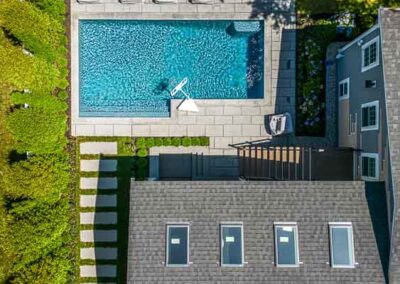
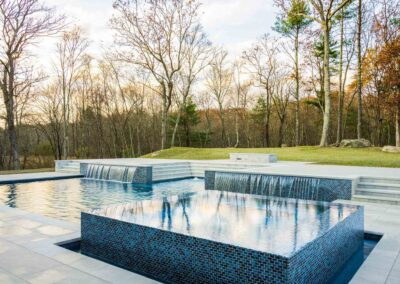
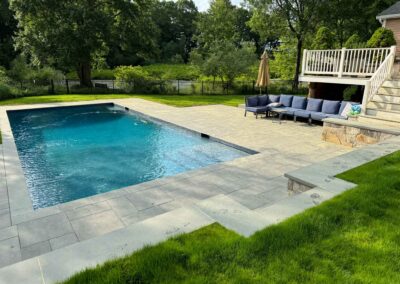
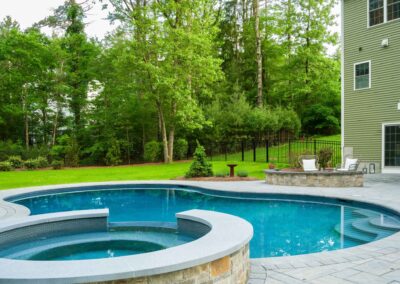
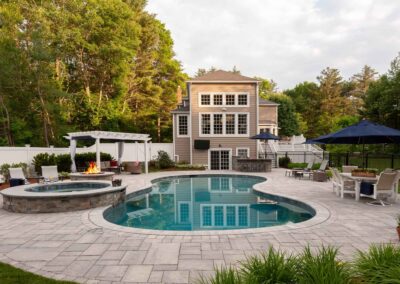
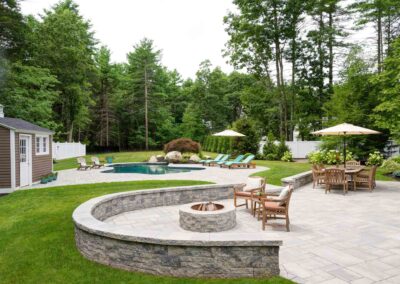
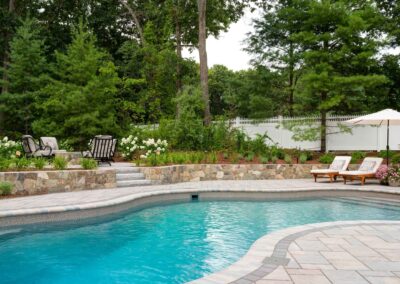
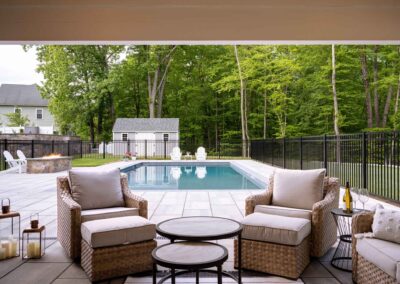
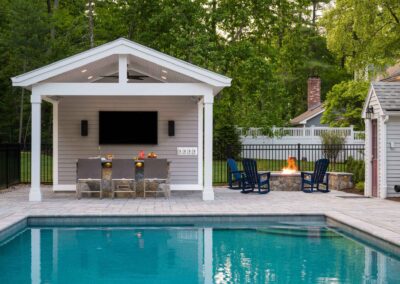
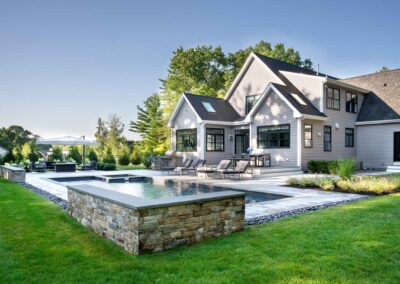
Welcome to the premier destination for all your swimming pool needs in Plymouth, MA. Whether you’re dreaming of a luxurious inground pool or a serene spa retreat, our team of expert pool builders is here to transform your backyard into a personal oasis. With a commitment to quality and customer satisfaction, our swimming pool company Plymouth take pride in providing exceptional
What to Look for in a Gunite Pool Contractor Plymouth, MA?
When choosing a gunite pool contractor in Plymouth, MA, it’s essential to look beyond just pricing. The right contractor will offer not only expert craftsmanship and premium materials but also a streamlined, start-to-finish experience—from custom design to flawless installation and ongoing maintenance. Look for a team that listens to your vision, respects your property, and delivers results that elevate your outdoor space. Experience, transparency, and a portfolio of stunning, completed projects are the hallmarks of a contractor you can trust with your investment.
How to Choose the Right Swimming Pool Company?
Choosing the right swimming pool contractor is crucial for ensuring a seamless pool construction experience. Look for a Swimming Pool Company with a proven track record in inground swimming pool projects, and prioritize those that offer comprehensive services from design to installation. A good contractor will guide you through the pool design process, helping you select the best materials and features for your new pool. Ensure they have the necessary licenses and insurance to protect your investment.
What Makes a Good Inground Pool Contractor?
An exceptional inground pool contractor combines technical expertise with creative vision. They should be adept at working with various materials, including gunite and vinyl liners, and have experience with custom pool designs. The ability to integrate additional features like spas and hot tubs seamlessly into your pool setup is a hallmark of a skilled contractor. Their commitment to using high-quality pool supplies and chemicals ensures the longevity and safety of your swimming pool.
Why is Experience Important in Pool Construction?
Experience in pool construction is invaluable. Seasoned contractors understand the nuances of pool installation and can anticipate potential challenges, ensuring a smooth and efficient build process. Their expertise in inground gunite and vinyl pool construction allows them to deliver a durable and aesthetically pleasing result. Experienced contractors also offer valuable insights into maintenance practices, helping pool owners enjoy their investment for years to come.
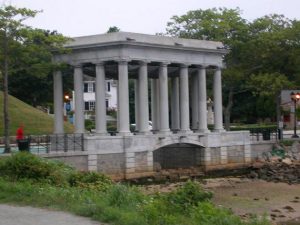
Luxury Pools By MF, a top-rated gunite pool builder specializes in:
-
-
- Custom Gunite Pool Design
- Custom Landscape Design
- Gunite Pool Installation
- Gunite Pool Renovation
- Pool Openings and Closings
- 3D Design Renderings
- Custom Spas
- Outdoor Kitchen / BBQ Installation
- Water Feature Design
- Unique Fire Pits
- Sunken Living Rooms
- Pool Houses and Outdoor Structures
- Amongst many other high-end services
-
The team has helped many Plymouth homeowners, business owners, builders, property managers, and other individuals in the Greater Boston, MA area. After some research, we’re confident you’ll find us to be the right Gunite Pool Builder to handle your outdoor project.
What Makes Us Different?
SUPERIOR CONSTRUCTION
Gunite swimming pools are built to last the tests of time..
Quality Craftsmanship
30+ years of gunite pool installation experience
Expert Project Managers
One-stop shop for all your gunite pool needs and services.
White-Glove Service
Top quality service to take care of all your pool needs.
How Does Gunite Pool Installation Work?
Gunite pool installation in Plymouth, MA is a multi-phase process that blends precision engineering with custom design. It begins with an in-depth consultation and site evaluation, followed by excavation and the creation of a steel-rebar framework that defines the shape of your pool. Once the structure is in place, gunite—a mixture of cement and sand—is sprayed at high velocity to form a solid, durable shell. After curing, your pool is finished with tiles, coping, and plaster, then filled and fine-tuned with the right equipment and water features. A reputable contractor will guide you through each step, ensuring your pool is built to last and tailored to your lifestyle.
What are the Steps in Inground Pool Installation?
The pool installation process begins with a thorough site assessment and design consultation. Once the design is finalized, excavation and groundwork prepare the space for the pool structure. Gunite or vinyl liner installation follows, creating the pool’s form. Finally, plumbing, electrical work, and finishing touches like decking and landscaping complete the project. Each step is meticulously planned to ensure quality and precision.
How Long Does It Take to Install a Swimming Pool?
The timeline for installing a swimming pool varies based on design complexity and site conditions. Generally, a standard inground pool project can take several weeks to a few months from start to finish. Factors such as weather, permitting, and customization options can influence the schedule. A reliable pool construction company will provide a detailed timeline and keep you informed throughout the process.
What Materials are Used in Gunite Pool Construction?
Gunite pools are renowned for their durability and versatility. The construction involves spraying a concrete mixture onto a reinforced steel framework, creating a robust and customizable structure. This method allows for flexible pool shapes and sizes, accommodating any backyard landscape. The use of high-quality materials ensures a long-lasting pool that can withstand the elements and provide endless enjoyment.
Talk to an Expert
We understand that sometimes you just want to talk before scheduling a consultation. Our team will gladly answer any of your questions or help you with any of your concerns.
Call Mike or Kristine today!
(508) 504-7665
Why Opt for a Gunite Pool in Your Plymouth Backyard?
Choosing a gunite pool for your backyard in Plymouth, MA means investing in durability, design flexibility, and timeless beauty. Unlike fiberglass or vinyl options, gunite pools are built to last for decades and can be fully customized to match your outdoor vision—whether you’re dreaming of a sleek modern retreat or a resort-style oasis. With endless options for shape, depth, and finishes, gunite allows for features like spas, waterfalls, tanning ledges, and intricate tile work. It’s the gold standard for homeowners who want more than just a pool—they want a showpiece.
What are the Benefits of Adding a Spa?
Adding a spa to your gunite pool enhances relaxation and wellness benefits. A spa provides a therapeutic experience, offering hydrotherapy features that alleviate stress and promote well-being. The integration of a spa with your pool creates a versatile space for entertainment and leisure, transforming your backyard into a luxurious retreat. The combination of a pool and spa increases property value and appeal.
CTA: Enhance Your Pool with a Spa
How to Integrate a Spa with Your Inground Pool?
Integrating a spa with your inground pool involves strategic design and expert installation. The spa can be seamlessly connected to the pool, allowing for shared heating and filtration systems. This integration not only optimizes space but also creates a cohesive aesthetic. A custom pool builder will work with you to design a layout that complements your landscape while meeting your functional needs.
CTA: Design Your Pool and Spa Combo
What Options are Available For My New Gunite Pool?
When it comes to designing your new gunite pool, the options are nearly limitless. From custom shapes and depths to premium finishes like quartz, pebble, or tile, gunite offers unmatched flexibility to bring your vision to life. You can add built-in spas, tanning ledges, beach entries, and dramatic water features like waterfalls or deck jets. Enhance your outdoor space further with integrated lighting, smart automation, and luxury additions like fire bowls, poolside kitchens, or swim-up bars. Whether you want a sleek modern look or a resort-style retreat, gunite pools are fully customizable to suit your style, space, and lifestyle.
How Often Should Pool Maintenance Be Done?
Regular pool maintenance is essential for preserving water quality and ensuring the longevity of your pool. Professional
CTA: Schedule Pool Maintenance Services
What to Expect from Professional Pool Service ?
Professional
CTA: Book Your Professional
How Does Luxury Pools By MF Design Custom Pools?
At Luxury Pools By MF, every custom pool begins with a personalized onsite visit or design consultation where we listen to your vision, assess your space, and explore the possibilities. From there, our design team creates a detailed plan tailored to your lifestyle, incorporating elements like pool shape, elevation, decking, landscaping, and optional features such as spas, water features, or integrated lighting. Once your design is finalized, our expert crew moves seamlessly into the gunite pool installation phase, using high-quality materials and precision craftsmanship to bring your dream pool to life. The result? A stunning, one-of-a-kind backyard retreat built for beauty, functionality, and lasting value.
What are the Latest Trends in Pool Design?
Luxury pools by MF Design embrace the latest trends in pool design, offering innovative features and materials that elevate your outdoor space. From infinity edges and natural stone finishes to energy-efficient systems and smart technology integration, our custom pools reflect modern aesthetics and functionality. Stay ahead of design trends with a pool that combines beauty and practicality, tailored to your lifestyle.
CTA: Discover Cutting-Edge Pool Designs
How to Incorporate a Custom Pool into Your Landscape?
Incorporating a custom pool into your landscape requires a harmonious blend of design elements and natural surroundings. Our team collaborates with you to create a pool that complements your home’s architecture and enhances your outdoor environment. Whether you desire a serene retreat or an entertainment hub, our custom designs ensure your pool is an integral part of your landscape, providing both visual appeal and functional enjoyment.
Ready to Begin?
Start your journey to a luxury pool or a redefined outdoor space by scheduling a free consultation with our team.




Plymouth MAP
Plymouth OVERVIEW
|
Plymouth, Massachusetts
|
|
|---|---|
|
Town
|
|
    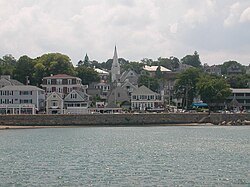  Clockwise from top left: Plymouth Rock monument, Plimoth Patuxet, National Monument to the Forefathers, Burial Hill, Town Center, First Parish Church in Plymouth
|
|

Flag

Seal
|
|
| Nickname:
America’s Hometown
|
|

Location in Plymouth County, Massachusetts
|
|
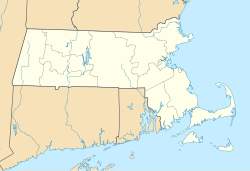
 Plymouth
Plymouth
|
|
| Coordinates: 41°57′30″N 70°40′04″W / 41.95833°N 70.66778°W | |
| Country | United States |
| State | Massachusetts |
| County | Plymouth |
| Region | New England |
| Settled | 1620 |
| Incorporated | 1620 |
| Named after | Plymouth, England |
| Government | |
| • Type | Representative town meeting |
| • Town Manager | Derek Brindisi |
| • Selectboard Chair | Richard J. Quintal Jr. |
| Area | |
|
• Total
|
134.0 sq mi (347.0 km) |
| • Land | 96.5 sq mi (249.8 km) |
| • Water | 37.5 sq mi (97.2 km) |
| Elevation | 187 ft (57 m) |
| Population
(2020)
|
|
|
• Total
|
61,217 |
| • Density | 634.4/sq mi (245.1/km) |
| Time zone | UTC-5 (Eastern) |
| • Summer (DST) | UTC-4 (Eastern) |
| ZIP Codes |
|
| Area code | 508/774 |
| FIPS code | 25-54310 |
| GNIS feature ID | 0618349 |
| Website | www |
Plymouth ( PLIM-əth; historically also spelled as Plimouth and Plimoth) is a town in and the county seat of Plymouth County, Massachusetts, United States. Located in Greater Boston, the town holds a place of great prominence in American history, folklore, and culture, and is known as “America’s Hometown”. Plymouth was the site of the colony founded in 1620 by the Mayflower Pilgrims, where New England was first established. It is the oldest municipality in New England and one of the oldest in the United States. The town has served as the location of several prominent events, one of the more notable being the First Thanksgiving feast. Plymouth served as the capital of Plymouth Colony from its founding in 1620 until the colony’s merger with the Massachusetts Bay Colony in 1691. The English explorer John Smith named the area Plymouth (after the city in South West England) and the region ‘New England’ during his voyage of 1614 (the accompanying map was published in 1616). It was a later coincidence that, after an aborted attempt to make the 1620 trans-Atlantic crossing from Southampton, the Mayflower finally set sail for America from Plymouth, England.
Plymouth is located approximately 40 miles (64 km) south of Boston in a region known as the South Shore. Throughout the 19th century, the town thrived as a center of rope making, fishing, and shipping, and was home to the Plymouth Cordage Company, formerly the world’s largest rope making company. It continues to be an active port, but today its major industry is healthcare and social services. The town is served by Plymouth Municipal Airport and contains the Pilgrim Hall Museum, the oldest continually operating museum in the United States. It is the largest municipality in Massachusetts by area, and the largest in southern New England. The population was 61,217 at the 2020 U.S. census. It is one of two seats of Plymouth County, the other being Brockton.
ABOUT Plymouth, MA
Prior to the arrival of the Pilgrims, the location of Plymouth was a village of the Wampanoag tribe called Patuxet. The region was visited twice by European explorers prior to the establishment of Plymouth Colony. In 1605, French explorer Samuel de Champlain sailed to Plymouth Harbor, calling it Port St. Louis. Captain John Smith was a leader of the colony at Jamestown, Virginia, and he explored parts of Cape Cod Bay and is credited with naming the region “New Plimouth.”
Two plagues afflicted coastal New England in 1614 and 1617, killing between 90% and 95% of the local Wampanoag inhabitants. The near destruction of the tribe from disease resulted in their cornfields and cleared areas being vacant for the Pilgrims to occupy.
Plymouth played a very important role in American colonial history. It was the final landing site of the first voyage of the Mayflower and the location of the original settlement of Plymouth Colony. Plymouth was established in December 1620 by separatist Puritans who had broken away from the Church of England, believing that the Church had not completed the work of the Protestant Reformation. Today, these settlers are better known as the “Pilgrims”, a term coined by William Bradford.
The Mayflower first anchored in the harbor of Provincetown, Massachusetts on November 11, 1620. The ship was headed for the mouth of the Hudson River (which was in the notional territory of the Colony of Virginia at the time, before the establishment of New Amsterdam) but it did not go beyond Cape Cod. The Pilgrim settlers realized that they did not have a patent to settle in the region, so they signed the Mayflower Compact prior to disembarking. They explored various parts of Cape Cod and eventually sought a suitable location for a permanent settlement to the westward in Cape Cod Bay. They discovered the sheltered waters of Plymouth Harbor on December 17. From the protected bay they found a site for the new settlement after three days of surveying.
The settlers officially disembarked on December 21, 1620. It is traditionally said that the Pilgrims first set foot in America at the site of Plymouth Rock, though no historical evidence exists in support of this claim.
The Plymouth colony faced many difficulties during its first winter, the most notable being the risk of starvation and the lack of suitable shelter. From the beginning, the colonists depended on the assistance of Native Americans. One colonist’s journal reports:
During their earlier exploration of the Cape, the Pilgrims had come upon a Native American burial site that contained corn, and they had taken the corn for future planting. On another occasion, they found an unoccupied house and had taken corn and beans, for which they made restitution with the occupants about six months later.
Even greater assistance came from Samoset and Tisquantum (known as Squanto by the Pilgrims), a Native American sent by Wampanoag Chief Massasoit as an ambassador and technical adviser. Squanto had been kidnapped in 1614 by a colonist and sold into slavery in Málaga, Spain. With the help of another colonist, he escaped slavery, and returned home in 1619. He taught the colonists how to farm corn, where and how to catch fish, and other helpful skills for the New World. He also was instrumental in the survival of the settlement for the first two years.
Squanto and Hobomok, another guide sent by Massasoit in 1621, helped the colonists set up trading posts for furs. Chief Massasoit later formed a Peace Treaty with the Pilgrims. Upon growing a plentiful harvest in the fall of 1621, the Pilgrims gathered with Squanto, Samoset, Massasoit, and ninety other Wampanoag men in a celebration of thanksgiving to God for their plentiful harvest. This celebration is known today as the First Thanksgiving. It is commemorated annually in downtown Plymouth with a parade and a reenactment. Since 1941, the United States has observed Thanksgiving as a federal holiday.
Plymouth served as the capital of Plymouth Colony (which consisted of modern-day Barnstable, Bristol, and Plymouth counties) from its founding in 1620 until 1691, when the colony was merged with the Massachusetts Bay Colony and other territories to form the Province of Massachusetts Bay. Plymouth holds the distinction of being the first permanent European settlement in New England, and one of the oldest European settlements in what is now the United States.