Swimming Pool Company Somerville MA
Gunite Swimming Pool Company Somerville, MA:
Inground Pool Contractors & Spa Experts
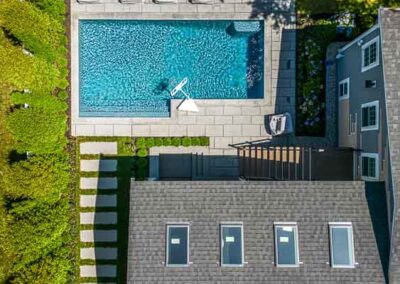
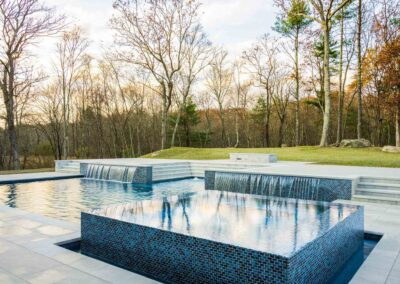
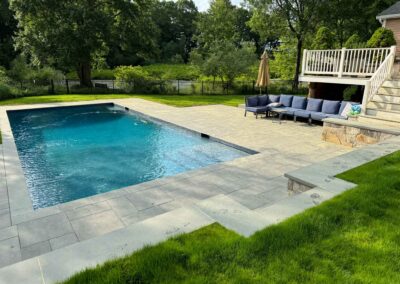
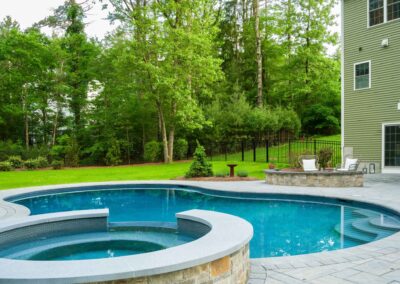
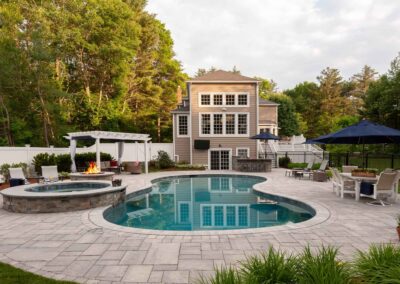
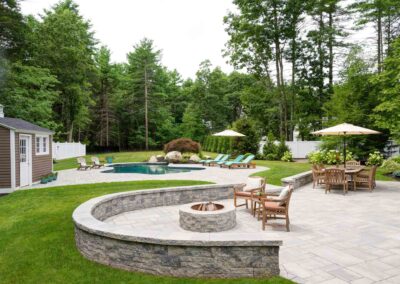
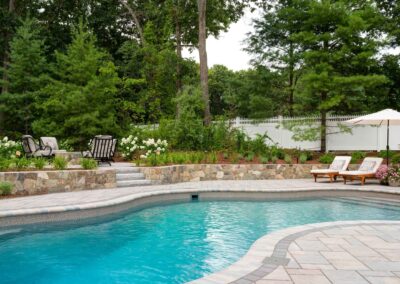
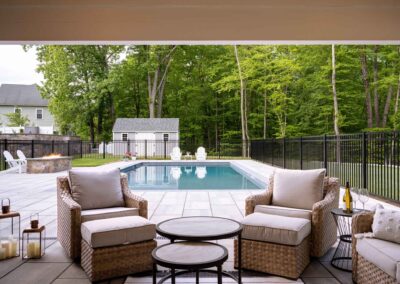
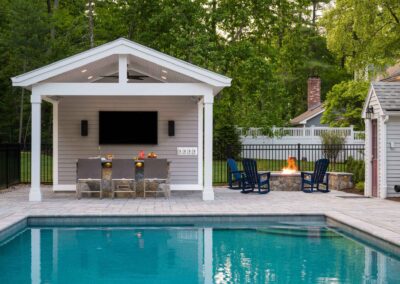
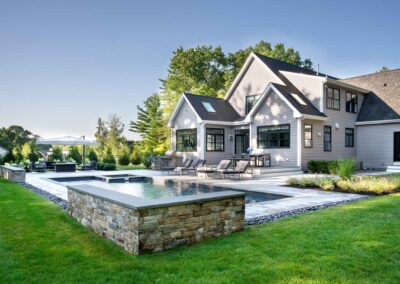
Welcome to the premier destination for all your swimming pool needs in Somerville, MA. Whether you’re dreaming of a luxurious inground pool or a serene spa retreat, our team of expert pool builders is here to transform your backyard into a personal oasis. With a commitment to quality and customer satisfaction, our swimming pool company Somerville take pride in providing exceptional
What to Look for in a Gunite Pool Contractor Somerville, MA?
When choosing a gunite pool contractor in Somerville, MA, it’s essential to look beyond just pricing. The right contractor will offer not only expert craftsmanship and premium materials but also a streamlined, start-to-finish experience—from custom design to flawless installation and ongoing maintenance. Look for a team that listens to your vision, respects your property, and delivers results that elevate your outdoor space. Experience, transparency, and a portfolio of stunning, completed projects are the hallmarks of a contractor you can trust with your investment.
How to Choose the Right Swimming Pool Company?
Choosing the right swimming pool contractor is crucial for ensuring a seamless pool construction experience. Look for a Swimming Pool Company with a proven track record in inground swimming pool projects, and prioritize those that offer comprehensive services from design to installation. A good contractor will guide you through the pool design process, helping you select the best materials and features for your new pool. Ensure they have the necessary licenses and insurance to protect your investment.
What Makes a Good Inground Pool Contractor?
An exceptional inground pool contractor combines technical expertise with creative vision. They should be adept at working with various materials, including gunite and vinyl liners, and have experience with custom pool designs. The ability to integrate additional features like spas and hot tubs seamlessly into your pool setup is a hallmark of a skilled contractor. Their commitment to using high-quality pool supplies and chemicals ensures the longevity and safety of your swimming pool.
Why is Experience Important in Pool Construction?
Experience in pool construction is invaluable. Seasoned contractors understand the nuances of pool installation and can anticipate potential challenges, ensuring a smooth and efficient build process. Their expertise in inground gunite and vinyl pool construction allows them to deliver a durable and aesthetically pleasing result. Experienced contractors also offer valuable insights into maintenance practices, helping pool owners enjoy their investment for years to come.

Luxury Pools By MF, a top-rated gunite pool builder specializes in:
-
-
- Custom Gunite Pool Design
- Custom Landscape Design
- Gunite Pool Installation
- Gunite Pool Renovation
- Pool Openings and Closings
- 3D Design Renderings
- Custom Spas
- Outdoor Kitchen / BBQ Installation
- Water Feature Design
- Unique Fire Pits
- Sunken Living Rooms
- Pool Houses and Outdoor Structures
- Amongst many other high-end services
-
The team has helped many Somerville homeowners, business owners, builders, property managers, and other individuals in the Greater Boston, MA area. After some research, we’re confident you’ll find us to be the right Gunite Pool Builder to handle your outdoor project.
What Makes Us Different?
SUPERIOR CONSTRUCTION
Gunite swimming pools are built to last the tests of time..
Quality Craftsmanship
30+ years of gunite pool installation experience
Expert Project Managers
One-stop shop for all your gunite pool needs and services.
White-Glove Service
Top quality service to take care of all your pool needs.
How Does Gunite Pool Installation Work?
Gunite pool installation in Somerville, MA is a multi-phase process that blends precision engineering with custom design. It begins with an in-depth consultation and site evaluation, followed by excavation and the creation of a steel-rebar framework that defines the shape of your pool. Once the structure is in place, gunite—a mixture of cement and sand—is sprayed at high velocity to form a solid, durable shell. After curing, your pool is finished with tiles, coping, and plaster, then filled and fine-tuned with the right equipment and water features. A reputable contractor will guide you through each step, ensuring your pool is built to last and tailored to your lifestyle.
What are the Steps in Inground Pool Installation?
The pool installation process begins with a thorough site assessment and design consultation. Once the design is finalized, excavation and groundwork prepare the space for the pool structure. Gunite or vinyl liner installation follows, creating the pool’s form. Finally, plumbing, electrical work, and finishing touches like decking and landscaping complete the project. Each step is meticulously planned to ensure quality and precision.
How Long Does It Take to Install a Swimming Pool?
The timeline for installing a swimming pool varies based on design complexity and site conditions. Generally, a standard inground pool project can take several weeks to a few months from start to finish. Factors such as weather, permitting, and customization options can influence the schedule. A reliable pool construction company will provide a detailed timeline and keep you informed throughout the process.
What Materials are Used in Gunite Pool Construction?
Gunite pools are renowned for their durability and versatility. The construction involves spraying a concrete mixture onto a reinforced steel framework, creating a robust and customizable structure. This method allows for flexible pool shapes and sizes, accommodating any backyard landscape. The use of high-quality materials ensures a long-lasting pool that can withstand the elements and provide endless enjoyment.
Talk to an Expert
We understand that sometimes you just want to talk before scheduling a consultation. Our team will gladly answer any of your questions or help you with any of your concerns.
Call Mike or Kristine today!
(508) 504-7665
Why Opt for a Gunite Pool in Your Somerville Backyard?
Choosing a gunite pool for your backyard in Somerville, MA means investing in durability, design flexibility, and timeless beauty. Unlike fiberglass or vinyl options, gunite pools are built to last for decades and can be fully customized to match your outdoor vision—whether you’re dreaming of a sleek modern retreat or a resort-style oasis. With endless options for shape, depth, and finishes, gunite allows for features like spas, waterfalls, tanning ledges, and intricate tile work. It’s the gold standard for homeowners who want more than just a pool—they want a showpiece.
What are the Benefits of Adding a Spa?
Adding a spa to your gunite pool enhances relaxation and wellness benefits. A spa provides a therapeutic experience, offering hydrotherapy features that alleviate stress and promote well-being. The integration of a spa with your pool creates a versatile space for entertainment and leisure, transforming your backyard into a luxurious retreat. The combination of a pool and spa increases property value and appeal.
CTA: Enhance Your Pool with a Spa
How to Integrate a Spa with Your Inground Pool?
Integrating a spa with your inground pool involves strategic design and expert installation. The spa can be seamlessly connected to the pool, allowing for shared heating and filtration systems. This integration not only optimizes space but also creates a cohesive aesthetic. A custom pool builder will work with you to design a layout that complements your landscape while meeting your functional needs.
CTA: Design Your Pool and Spa Combo
What Options are Available For My New Gunite Pool?
When it comes to designing your new gunite pool, the options are nearly limitless. From custom shapes and depths to premium finishes like quartz, pebble, or tile, gunite offers unmatched flexibility to bring your vision to life. You can add built-in spas, tanning ledges, beach entries, and dramatic water features like waterfalls or deck jets. Enhance your outdoor space further with integrated lighting, smart automation, and luxury additions like fire bowls, poolside kitchens, or swim-up bars. Whether you want a sleek modern look or a resort-style retreat, gunite pools are fully customizable to suit your style, space, and lifestyle.
How Often Should Pool Maintenance Be Done?
Regular pool maintenance is essential for preserving water quality and ensuring the longevity of your pool. Professional
CTA: Schedule Pool Maintenance Services
What to Expect from Professional Pool Service ?
Professional
CTA: Book Your Professional
How Does Luxury Pools By MF Design Custom Pools?
At Luxury Pools By MF, every custom pool begins with a personalized onsite visit or design consultation where we listen to your vision, assess your space, and explore the possibilities. From there, our design team creates a detailed plan tailored to your lifestyle, incorporating elements like pool shape, elevation, decking, landscaping, and optional features such as spas, water features, or integrated lighting. Once your design is finalized, our expert crew moves seamlessly into the gunite pool installation phase, using high-quality materials and precision craftsmanship to bring your dream pool to life. The result? A stunning, one-of-a-kind backyard retreat built for beauty, functionality, and lasting value.
What are the Latest Trends in Pool Design?
Luxury pools by MF Design embrace the latest trends in pool design, offering innovative features and materials that elevate your outdoor space. From infinity edges and natural stone finishes to energy-efficient systems and smart technology integration, our custom pools reflect modern aesthetics and functionality. Stay ahead of design trends with a pool that combines beauty and practicality, tailored to your lifestyle.
CTA: Discover Cutting-Edge Pool Designs
How to Incorporate a Custom Pool into Your Landscape?
Incorporating a custom pool into your landscape requires a harmonious blend of design elements and natural surroundings. Our team collaborates with you to create a pool that complements your home’s architecture and enhances your outdoor environment. Whether you desire a serene retreat or an entertainment hub, our custom designs ensure your pool is an integral part of your landscape, providing both visual appeal and functional enjoyment.
Ready to Begin?
Start your journey to a luxury pool or a redefined outdoor space by scheduling a free consultation with our team.




Somerville MAP
Somerville OVERVIEW
|
Somerville, Massachusetts
|
|
|---|---|
|
City
|
|

Davis Square, Somerville
|
|

Seal
|
|
| Motto:
“Municipal Freedom Gives National Strength”
|
|

Location in Middlesex County in Massachusetts
|
|
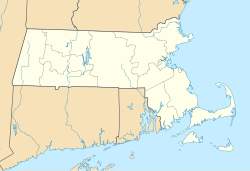
 Somerville
Location in the United States
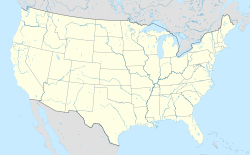
Somerville
Somerville (the United States)
|
|
| Coordinates: 42°23′15″N 71°06′00″W / 42.38750°N 71.10000°W | |
| Country |  United States United States |
| State |  Massachusetts Massachusetts |
| County | Middlesex |
| Region | New England |
| Settled | 1629 |
| Purchased | 1639 |
| Incorporated (town) | 1842 |
| Incorporated (city) | 1872 |
| Government | |
| • Type | Mayor–council |
| • Mayor | Katjana Ballantyne (D) |
| Area | |
|
• Total
|
4.22 sq mi (10.94 km) |
| • Land | 4.12 sq mi (10.68 km) |
| • Water | 0.10 sq mi (0.26 km) |
| Elevation | 12 ft (4 m) |
| Population
(2020)
|
|
|
• Total
|
81,045 |
| • Density | 19,652.04/sq mi (7,588.17/km) |
| Demonym(s) | Somervillian, Villen |
| Time zone | UTC−5 (Eastern) |
| • Summer (DST) | UTC−4 (Eastern) |
| ZIP Codes |
02143–02145
|
| Area code | 617 / 857 |
| FIPS code | 25-62535 |
| GNIS ID | 0612815 |
| Website | somervillema |
Somerville ( SUM-ər-vil) is a city located directly to the northwest of Boston, and north of Cambridge, in Middlesex County, Massachusetts, United States. As of the 2020 United States census, the city had a total population of 81,045 people. With an area of 4.12 square miles (10.7 km), the city has a density of 19,671/sq mi (7,595/km), making it the most densely populated municipality in New England and the 19th most densely populated incorporated municipality in the country. Somerville was established as a town in 1842, when it was separated from Charlestown. In 2006, the city was named the best-run city in Massachusetts by The Boston Globe. In 1972, 2009, and 2015, the city received the All-America City Award. It is home to Tufts University, which has its campus along the Somerville and Medford border. Tufts, alongside Harvard University and the Massachusetts Institute of Technology, makes up one corner of the Brain Power Triangle, which thus includes the city of Somerville.
ABOUT Somerville, MA
The area that would become Somerville was inhabited for thousands of years prior to European colonization, with multiple archaeological sites indicating habitation in the Mystic River watershed as early as the beginning of the Archaic Period (8000–1000 BCE). At the time of English contact in the 1600s, the Somerville area was inhabited by the Mystic Tribe of the Naumkeag people, headed by the Squaw Sachem and her son Wonohaquaham. Though no archaeological sites within Somerville have been identified from this time period, an indigenous settlement near College Hill in Somerville can be inferred from contemporary written records. The Mystic River continued to be an important regional core for the Naumkeag into the period of European colonization in the 16th and 17th centuries.
In 1627, Mystic sachem Wonohaquaham reportedly gave permission for English settlement at Charlestown, which then included present-day Somerville. In 1639, his mother the Squaw Sachem deeded the land that would become Somerville to English settlers.
The territory now comprising the city of Somerville was first settled by Europeans in 1629 as part of Charlestown. In 1629, English surveyor Thomas Graves led a scouting party of 100 Puritans from the settlement of Salem to prepare the site for the Great Migration of Puritans from England. Graves was attracted to the narrow Mishawum Peninsula between the Charles and Mystic rivers, linked to the mainland at the present-day Sullivan Square. The area of earliest settlement was based at City Square on the peninsula, though the territory of Charlestown officially included all of what is now Somerville, as well as Medford, Everett, Malden, Stoneham, Melrose, Woburn, Burlington, and parts of Arlington and Cambridge. From that time until 1842, the area of present-day Somerville was referred to as “beyond the Neck” in reference to the thin spit of land, the Charlestown Neck, that connected it to the Charlestown Peninsula.
The first European settler in Somerville of whom there is any record was John Woolrich, an Indian trader who came from the Charlestown Peninsula in 1630, and settled near what is now Dane Street. Others soon followed Woolrich, locating in the vicinity of present-day Union Square. In 1639 colonists officially acquired the land in what is now Somerville from the Squaw Sachem of Mistick. The population continued to slowly increase, and by 1775 there were about 500 inhabitants scattered across the area. Otherwise, the area was mostly used as grazing and farmland. It was once known as the “Stinted Pasture” or “Cow Commons”, as early settlers of Charlestown had the right to pasture a certain number of cows in the area.
John Winthrop, the first colonial governor of the Massachusetts Bay Colony, was granted 600 acres (240 hectares) of land in the area in 1631. Named for the ten small knolls located on the property, Ten Hills Farm extended from the Cradock Bridge in present-day Medford Square to Convent Hill in East Somerville. Winthrop lived, planted, and raised cattle on the farm. It is also where he launched the first ship in Massachusetts, the “Blessing of the Bay”. Built for trading purposes in the early 1630s, it was soon armed for use as a patrol boat for the New England coast. It is seen as a precursor to the United States Navy. The “Ten Hills” neighborhood, located in the northeastern part of the city, has retained the name for over 300 years. New research has found that less than a decade after John Winthrop moved to the farm in 1631, there were enslaved Native American prisoners of war on the property. Each successive owner of Ten Hills Farm would depend upon slavery’s profits until the 1780s, when Massachusetts abolished the practice.
In a short time, the settlers began laying out roads in all directions in search of more land for planting and trade with various Native American tribes in the area. Laid out as early as the mid-1630s, the earliest highway in Somerville was probably what is now Washington Street, and led from present-day Sullivan Square to Harvard Square. In its earliest days, Washington Street was known as the “Road to Newtowne” (renamed Cambridge in 1638). During the 1700s and early 1800s Somerville Avenue was “Milk Row,” a route favored by Middlesex County dairy farmers as the best way to get to the markets of Charlestown and Boston.
Laid out in 1636, Broadway was likely the second highway built in the area. Originally called “Menotomie’s Road”, it ran from the Charlestown Neck to the settlement at Menotomy (present-day Arlington). Initially bordered by farmsteads, Broadway would come into its own as a commercial thoroughfare after horse-drawn trolleys were
introduced to the highway in 1858.
Somerville was home to one of the first hostile acts of the American Revolutionary War. The removal of gunpowder by British soldiers from a powder magazine in 1774, and the massive popular reaction that ensued, are considered to be a turning point in the events leading up to war.
First built by settlers for use as a windmill in the early 1700s, the Old Powder House was sold to the colonial government of Massachusetts for use as a gunpowder magazine in 1747. Located at the intersection of Broadway and College Avenue in present-day Powder House Square, the Old Powder House held the largest supply of gunpowder in all of Massachusetts. General Thomas Gage, who had become the military governor of Massachusetts in May 1774, was charged with enforcement of the highly unpopular Intolerable Acts, which British Parliament had passed in response to the Boston Tea Party. Seeking to prevent the outbreak of war, he believed that the best way to accomplish this was by secretly removing military stores from storehouses and arsenals in New England.
Just after dawn on September 1, 1774, a force of roughly 260 British regulars from the 4th Regiment, under the command of Lieutenant Colonel George Maddison, were rowed in secrecy up the Mystic River from Boston to a landing point near Winter Hill. From there they marched about one mile (1.5 kilometers) to the Powder House, and after sunrise removed all of the gunpowder. Most of the regulars then returned to Boston the way they had come, but a small contingent marched on to Cambridge, seizing two field pieces from the Cambridge Common. The field pieces and powder were then taken from Boston to the British stronghold on Castle Island, then known as Castle William (renamed Fort Independence in 1779).